ACIRC: 104 Years Connecting Businesses and Driving Local Development in Rio Claro
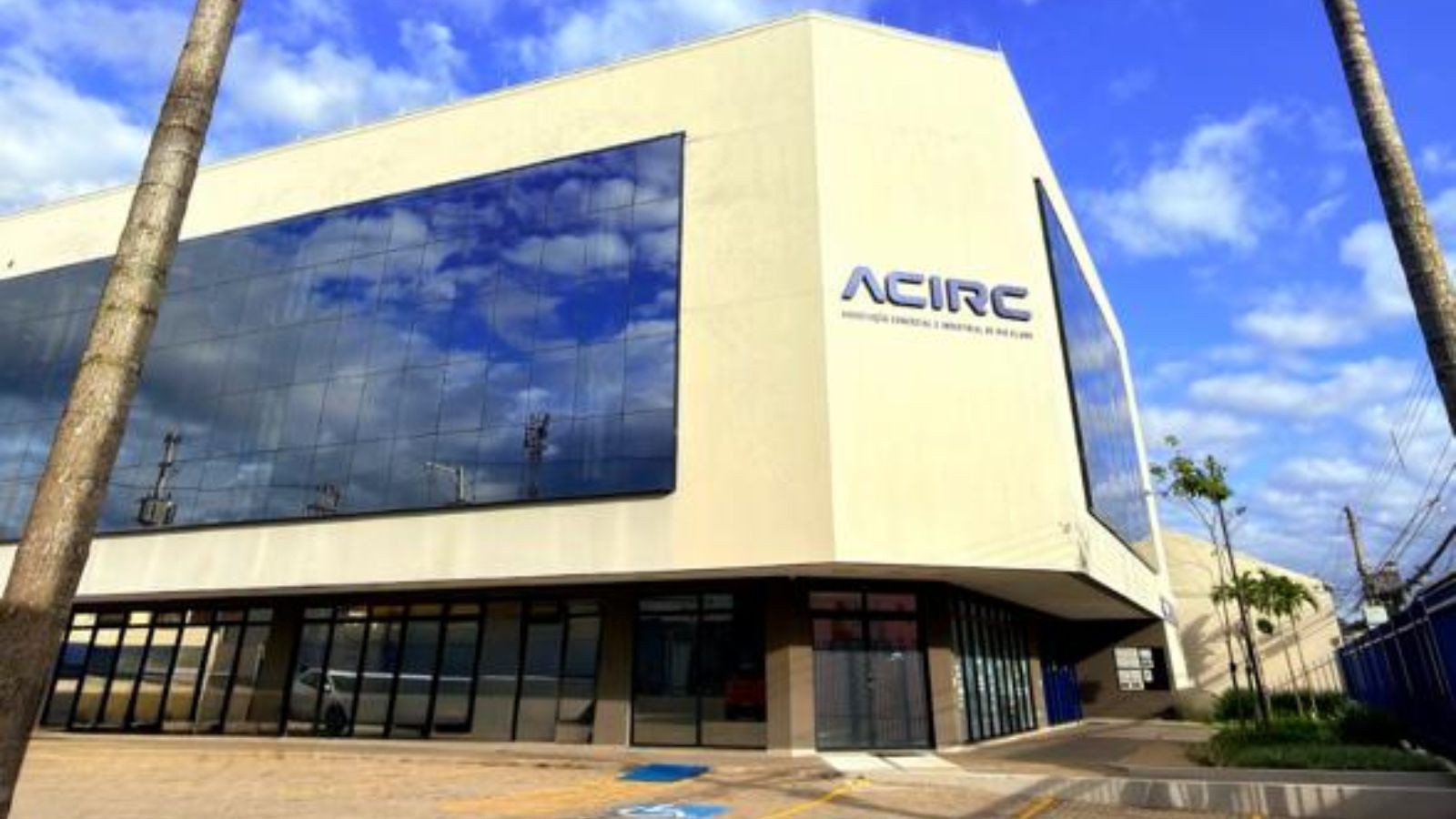
The Commercial and Industrial Association of Rio Claro (ACIRC) is celebrating 104 years of service on July 30, 2026, marking its continuous adaptation and role in the city's economic development. Founded officially on July 30, 1922, ACIRC's roots trace back to earlier merchant mobilizations in 1888, driven by Rio Claro's historical growth fueled by coffee, railways, and an entrepreneurial spirit. The association played a crucial role in various historical junctures, including reorganizing the business sector after the 1932 Revolution and mediating the supply of essential goods during World War II. As Rio Claro industrialized and embraced technological advancements like the internet, ACIRC evolved alongside it, now engaging in discussions about artificial intelligence and smart cities. The organization merged with the Centro Comercial Reunidos in 1931, forming a stronger entity that represented the idea that strong cities depend on strong businesses. ACIRC has consistently adapted to economic shifts, from the decline of coffee to the rise of diverse industries and services, modernizing its offerings to include credit solutions, digital certification, business training, and market analysis. Today, it provides a comprehensive ecosystem of services, including credit analysis, digital certificates, consulting, courses, and event spaces, often in partnership with organizations like Sebrae. Under the current presidency of Nilson Nicoletti since July 2024, ACIRC prioritizes innovation, e-commerce, business qualification, and urban development discussions, recently presenting the 'Cidade Azul 200 Anos' project for Rio Claro's bicentennial. ACIRC's enduring relevance is attributed to its ability to foster cooperation and support entrepreneurship, as highlighted by local business owners.
The longevity and continued relevance of ACIRC highlight the enduring importance of business associations in fostering local economic ecosystems. Its history demonstrates a capacity to adapt to significant technological and economic shifts, from the railway era to the digital age, by evolving its service offerings and strategic focus. This adaptability suggests that such organizations can serve as crucial intermediaries, not only advocating for business interests but also facilitating collaboration, knowledge sharing, and strategic planning necessary for navigating complex market dynamics. In the context of accelerating technological change and increasing globalization, the model of ACIRC offers insights into how regional economic bodies can proactively shape development agendas, such as urban revitalization and digital transformation, thereby contributing to both business competitiveness and community well-being over the long term.
AI-generated to prompt reflection — not editorial opinion, not advice, not a statement of fact. How this works.