Acre Agribusiness Fair Boosts Sales and Client Acquisition for Nearly 450 Exhibitors
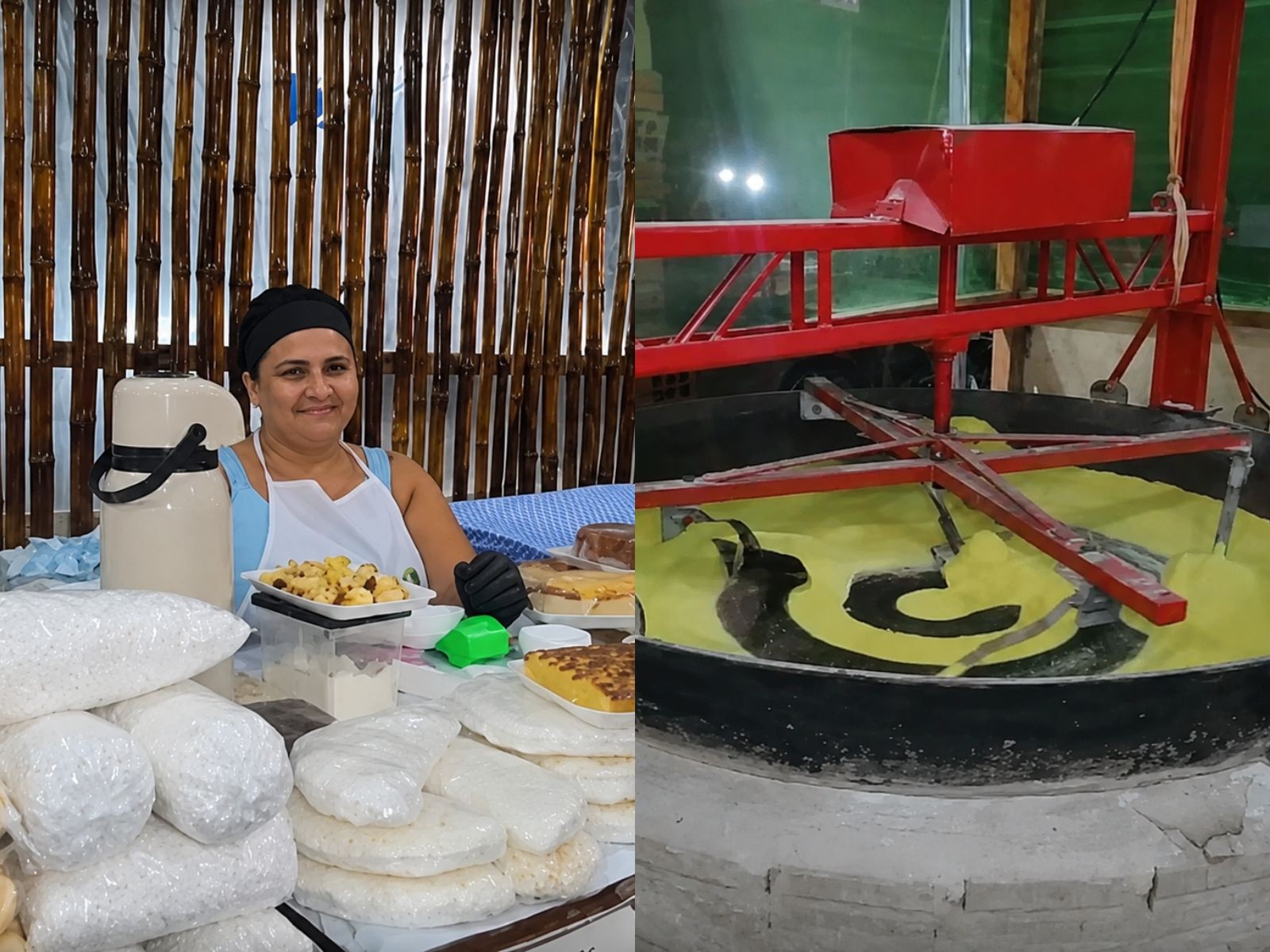
The 21st Expoacre Juruá, held in Cruzeiro do Sul, Acre, has attracted nearly 450 exhibitors, significantly increasing participation from the previous year's less than 300. This agribusiness fair provides a crucial platform for local entrepreneurs, artisans, and rural producers to boost sales, acquire new clients, and promote their businesses. The event, which concludes on Sunday, December 5th, is considered a primary income opportunity for many, serving as a vital showcase to attract customers beyond the fair's duration. In 2025, the fair generated R$50 million in business, marking a substantial 38.8% increase from the R$36.6 million recorded in 2024. Exhibitors like entrepreneur Claudeir Maciel highlighted the fair's importance for revenue, stating, "It's a time when we earn well, and thankfully, we can profit." Furniture maker Jânio Silva focuses on long-term client acquisition, distributing business cards to attract customers after the event. Indigenous artisans, such as Jackson Marubo, showcase crafts made from tucumã seeds and clay, emphasizing the fair's role in strengthening their work and connecting with a wider audience. Family farmers also featured prominently, offering products like pineapples, fruits, vegetables, sweets, honey, and cassava derivatives, with José da Silva reporting consistent success in selling out his cultivated pineapples each year. Marciane Uchôa noted that many buyers of cassava products, including various types of flour, come from other cities and states, purchasing in larger quantities. The fair encompasses diverse sectors including commerce, industry, agribusiness, family farming, the solidarity economy, and crafts, alongside cultural attractions and musical performances by artists like Natanzinho Lima, Banda Morada, Tierry, Ícaro e Gilmar, and Padre Fábio de Melo. The event's closing day features a traditional horseback parade, the bull riding finals, and a concert by Leonardo.
The Expoacre Juruá demonstrates the significant economic impact of regional agricultural and trade fairs in fostering local commerce and entrepreneurship. By consolidating diverse economic actors—from family farmers and artisans to furniture makers and indigenous craftspeople—under one event, it creates a concentrated marketplace that drives both immediate sales and future business development through client networking. The substantial year-over-year growth in business volume and exhibitor participation suggests a robust demand for such platforms and a positive return on investment for participants. Looking ahead, the success of these fairs highlights the potential for leveraging technology to expand their reach beyond physical attendance, perhaps through e-commerce integration or virtual showcases, thereby amplifying their economic contribution and supporting sustainable development in regions like Acre.
AI-generated to prompt reflection — not editorial opinion, not advice, not a statement of fact. How this works.