Acre Bridge Collapse: One Month On, Injured Retiree Remains Hospitalized
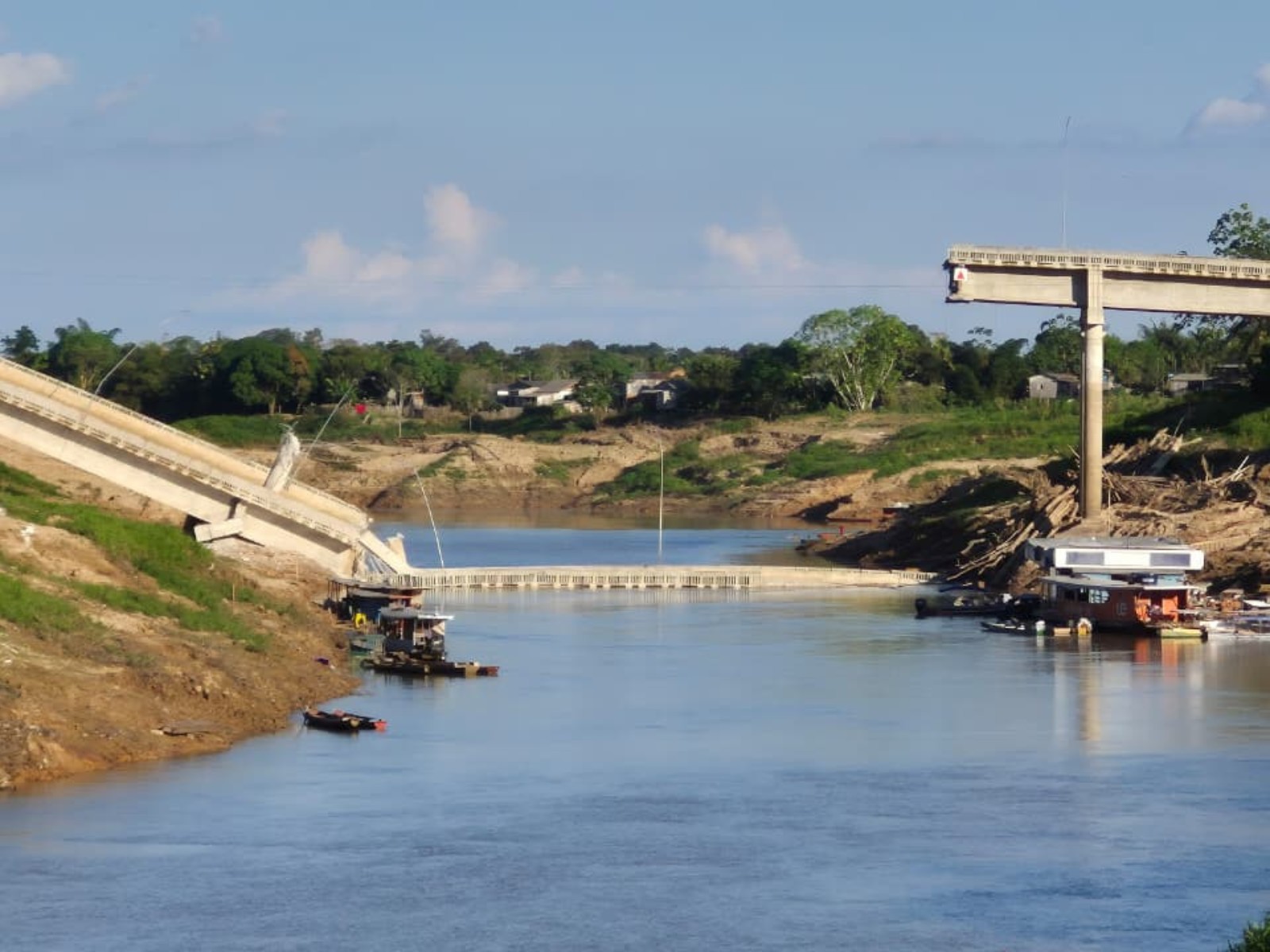
One month after the collapse of the Frei Paolino Baldassari Bridge in Sena Madureira, Acre, retired judge Edinaldo Muniz, 54, is still hospitalized in São Paulo. The incident on June 5 injured four people and gained national attention. Muniz is reportedly not in life-threatening condition, and his family expects to release an updated health bulletin. His brother, lawyer Edinei Muniz, 51, was discharged on June 9. Autonomous worker Weverton Murieta, 34, who was discharged on June 7, declined to comment on the incident. Antônio Morais Lima Filho, 36, discharged on June 10 after orthopedic surgery, also chose not to speak about the accident. The debris removal and river passage reopening remain unscheduled, with the Acre Road Department (Deracre) awaiting the Civil Police investigation. A forensic report is expected by July 12, with three delegates investigating. Residents are now using small boats to cross the river, with one video showing students traveling without life vests. The Acre Justice system has frozen R$ 36 million in assets belonging to Construtora Cidade, the company responsible for the R$ 36 million project, which was inaugurated in December 2023. A technical visit by various institutions, including the Federal University of Acre, led the State Audit Court to recommend urgent preventive measures, such as structural monitoring, isolation area expansion, and enhanced risk signage. The Public Prosecutor's Office (PGE) confirmed that Construtora Cidade failed to present a definitive emergency plan, requesting extensions for various reports and defenses. The company attributed the collapse to 'terras caídas,' a common Amazonian phenomenon involving riverbank collapse, despite prior technical recommendations for the bridge's closure due to ground movement and cracks.
The collapse of the Frei Paolino Baldassari Bridge highlights critical issues in infrastructure oversight and construction accountability. The incident, occurring shortly after the bridge's inauguration, raises questions about the adequacy of regulatory frameworks, inspection protocols, and the adherence to safety standards by the responsible construction firm, Construtora Cidade. The subsequent legal actions, including asset freezes and demands for emergency plans, indicate a systemic failure to prevent the disaster. Moving forward, a robust, independent review of the entire project lifecycle, from design and material procurement to construction and post-inauguration monitoring, is essential. This should include examining the effectiveness of existing environmental impact assessments and geological surveys, particularly in regions prone to natural phenomena like 'terras caídas.' Establishing clearer lines of responsibility and implementing stricter penalties for non-compliance could deter future negligence and ensure public safety in infrastructure development.
AI-generated to prompt reflection — not editorial opinion, not advice, not a statement of fact. How this works.