Acre Bridge Remains Closed for Repairs After Soil Movement
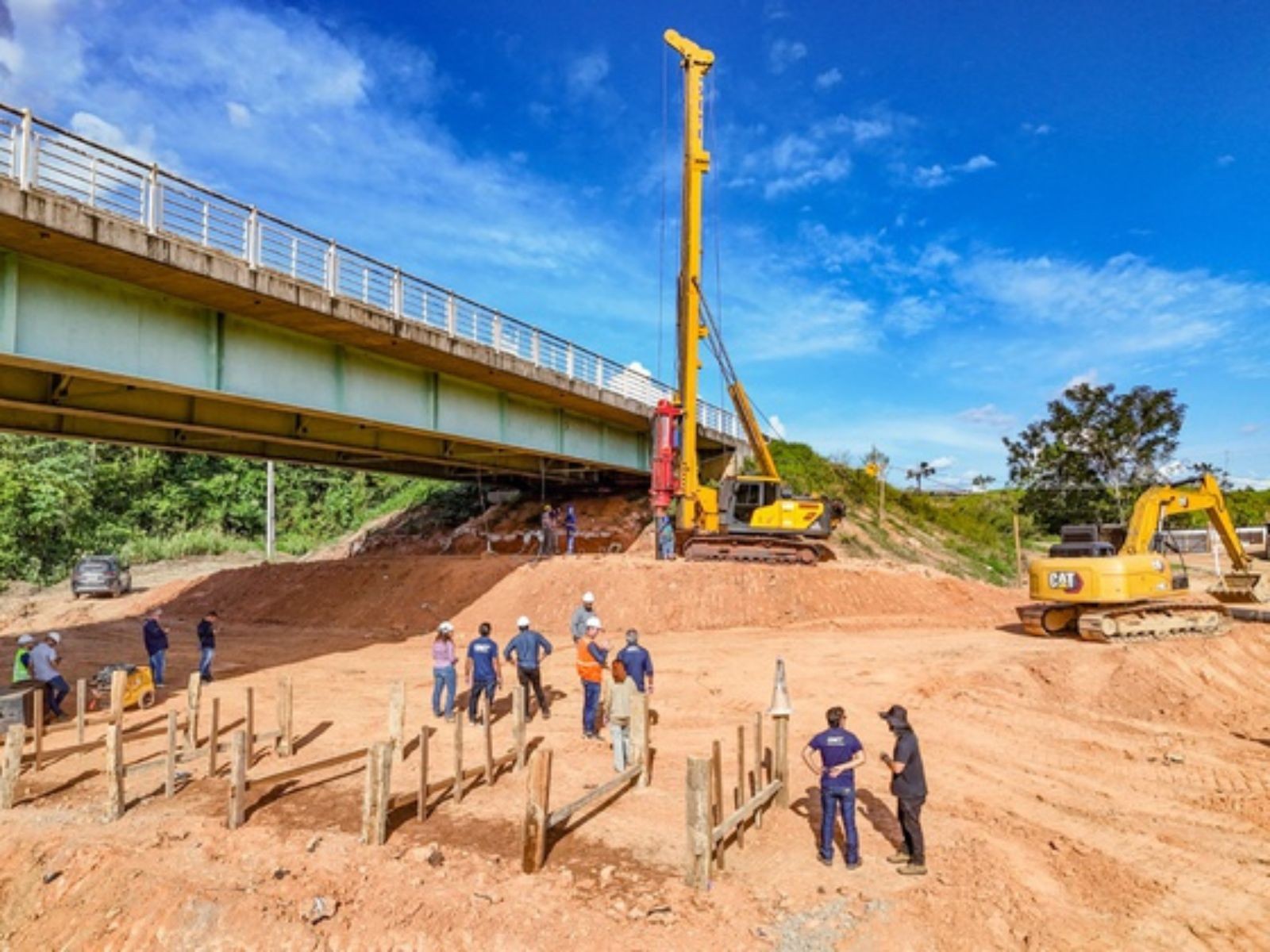
The National Department of Transport Infrastructure (Dnit) has maintained the closure of the bridge over the Rio Caeté on BR-364 in Acre, Brazil. This vital route connects Sena Madureira to the Vale do Juruá region. The decision, published on Monday, October 3rd, in the Official Gazette, is based on a technical report detailing an emergency situation. The report indicates that the conditions causing the initial closure on June 5th have not been fully resolved, posing a risk to the bridge's structural integrity and traffic safety. Despite the ongoing closure of the main concrete bridge, traffic flow in the area remains unaffected. A temporary metal bridge, situated alongside the main structure, continues to facilitate crossings. This secondary crossing was installed last year, and its operation will persist throughout the emergency period. The Dnit plans to install a temporary cable-stayed pillar on the main bridge to enhance its support and ensure greater safety. Construction services are anticipated to be completed by the end of 2026. The bridge has experienced previous closures due to soil movement and structural issues, including a significant event in November of the previous year when heavy rains caused the Rio Caeté to flood, submerging the temporary bridge's approaches.
The continued closure of the Rio Caeté bridge highlights the persistent challenges in maintaining critical infrastructure in regions prone to environmental instability. The Dnit's strategy of utilizing a parallel temporary structure mitigates immediate traffic disruption, but the extended timeline for permanent repairs, extending to the end of 2026, suggests underlying complexities in addressing the soil movement issues. This situation underscores the need for long-term, integrated solutions that account for geological factors and climate resilience in infrastructure planning. Future investments should prioritize predictive maintenance and adaptive engineering to preemptively address such vulnerabilities, ensuring the sustained functionality of essential transport networks and minimizing economic impact from repeated disruptions.
AI-generated to prompt reflection — not editorial opinion, not advice, not a statement of fact. How this works.
