Acre Civil Police Chief Convicted for Third Time in Stalking Case
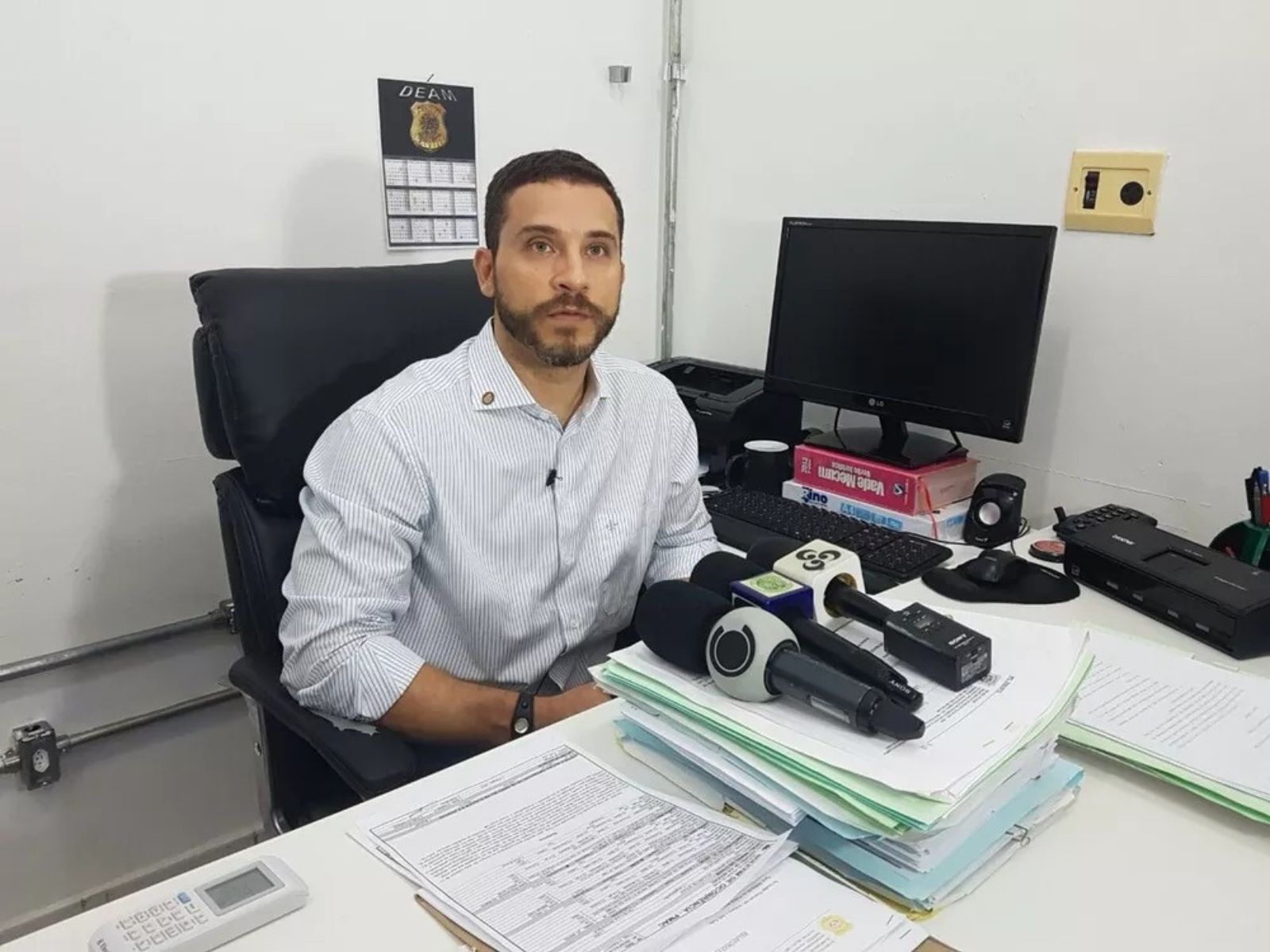
Civil Police Chief Luis Tonini has been convicted for the third time by the Acre Justice system for violating a restraining order and attempting to break into his ex-girlfriend's home. The latest sentence totals 1 year, 5 months, and 5 days of detention, to be served initially under an open regime, with the possibility of appeal while remaining free. This conviction adds to previous penalties, including a sentence of over two years for stalking, domestic violence, and a R$ 20,000 fine, and another sentence of 8 years, 3 months, and 12 days for aggravated stalking, sexual harassment, and violating protective measures, which also included forfeiture of his public office and an indemnity payment. In total, Tonini faces over 11 years in prison for offenses against his ex-girlfriend. He denies all charges. The Civil Police of Acre stated they would not comment on the case, deeming it a personal matter, but confirmed their Corregedoria-Geral cooperated with the judiciary. The judge noted a lack of evidence for acquittal, citing proof of authorship, materiality, and culpability for the alleged crimes. The court also mandated a minimum R$ 20,000 indemnity for moral damages to the victim and upheld existing protective measures. The judge highlighted Tonini's systematic surveillance, including repeated calls, presence near her residence, and an attempted home invasion planned to avoid identification, indicating a premeditated and cold demeanor. The sentence also considered aggravating factors such as abuse of public office and domestic violence against a woman, leading the victim to live in constant fear and requiring enhanced home security and psychological support.
This case highlights the critical intersection of domestic violence, abuse of power, and the legal system's response. The repeated convictions of a law enforcement official for stalking and violating protective orders underscore systemic challenges in ensuring accountability, particularly when perpetrators hold positions of authority. The judicial process appears to have meticulously documented the pattern of behavior, including premeditation and psychological impact on the victim, aiming to deter future misconduct. Future considerations may involve strengthening internal disciplinary procedures within law enforcement agencies and ensuring that protective measures are robustly enforced, regardless of the perpetrator's professional standing, to uphold public trust and victim safety.
AI-generated to prompt reflection — not editorial opinion, not advice, not a statement of fact. How this works.