Acre Councilman Arrested for Allegedly Pushing Wife, Later Released
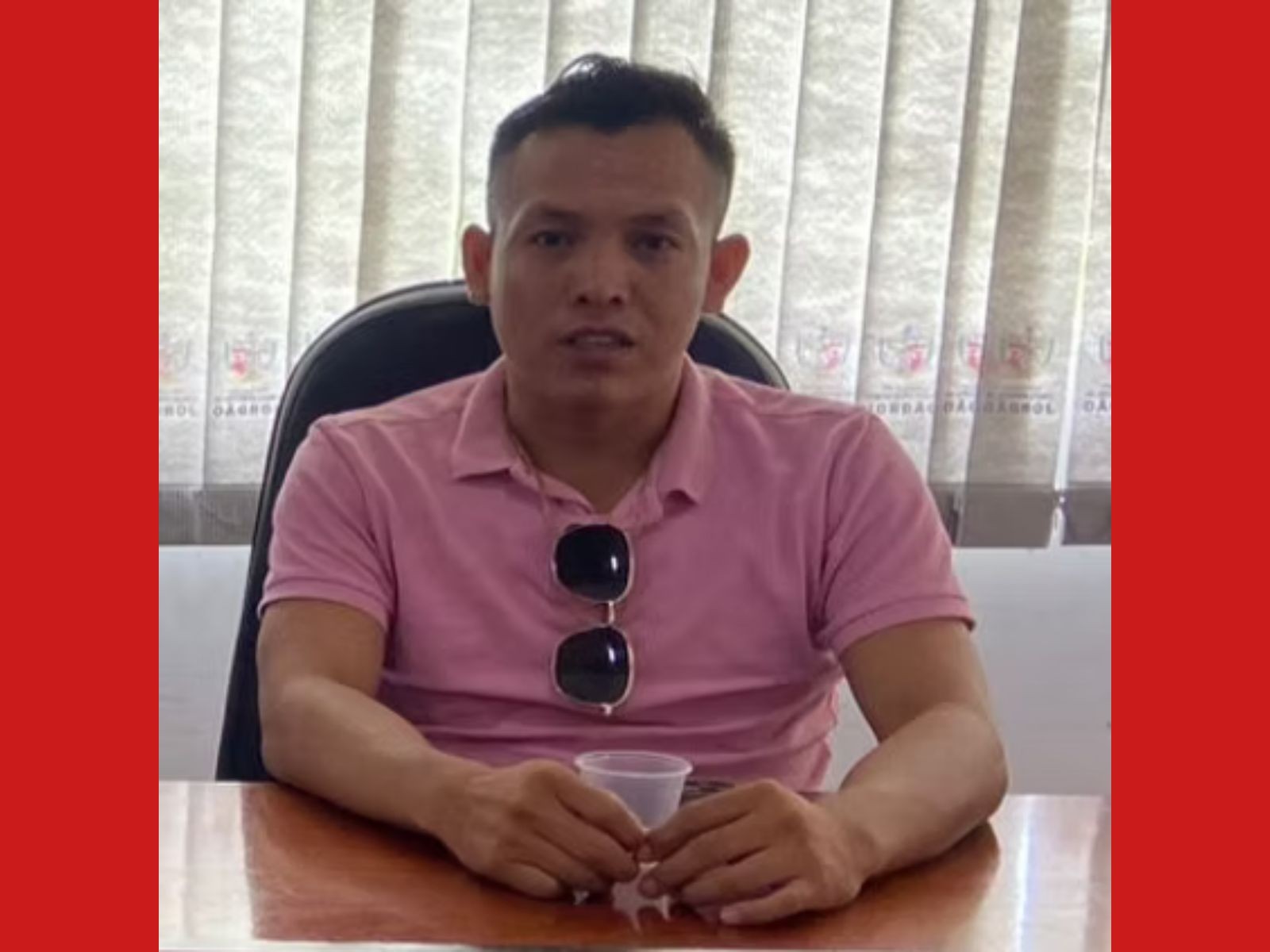
A councilman from Jordão, Acre, identified as Abraão Sampaio Feitosa Kaxinawá (Republicanos), was arrested in the early hours of Wednesday, May 8th. He is suspected of assaulting his wife during a domestic dispute at their home. According to the Civil Police, the incident occurred when Kaxinawá allegedly arrived home visibly intoxicated and refused to hand over his cell phone when his wife requested to check it. The victim also reported experiencing psychological abuse and threats from the councilman, which have caused her anxiety. The Military Police were called to the residence around 12:35 AM following the report. The delegate, José Ronério da Silva, stated that the parliamentarian was charged with threat and 'vias de fato' (a legal term for minor physical aggression) under the Maria da Penha Law, and the case will be investigated. Kaxinawá's defense attorney, Heliton Souza Kaxinawá, denied any physical injury occurred and stated that Abraão attended a custody hearing on Wednesday afternoon and was subsequently released. The defense expressed confidence that the matter will be clarified and Kaxinawá will be acquitted.
This incident highlights ongoing challenges in addressing domestic violence, particularly when it involves public figures. The swift release of the councilman following a custody hearing, despite charges under the Maria da Penha Law, raises questions about the effectiveness of legal deterrents and the potential influence of political or social standing. While the defense denies physical injury, the victim's account of threats and psychological abuse underscores the broader spectrum of domestic violence. Future efforts could focus on strengthening enforcement mechanisms and ensuring accountability regardless of an individual's position, while also providing robust support systems for victims. Examining the societal norms that may contribute to such behaviors and the efficacy of rehabilitation programs for offenders could offer insights into preventing recurrence.
AI-generated to prompt reflection — not editorial opinion, not advice, not a statement of fact. How this works.