Acre Couple Fights for Daughter's Life After Congenital Heart Defect Diagnosis
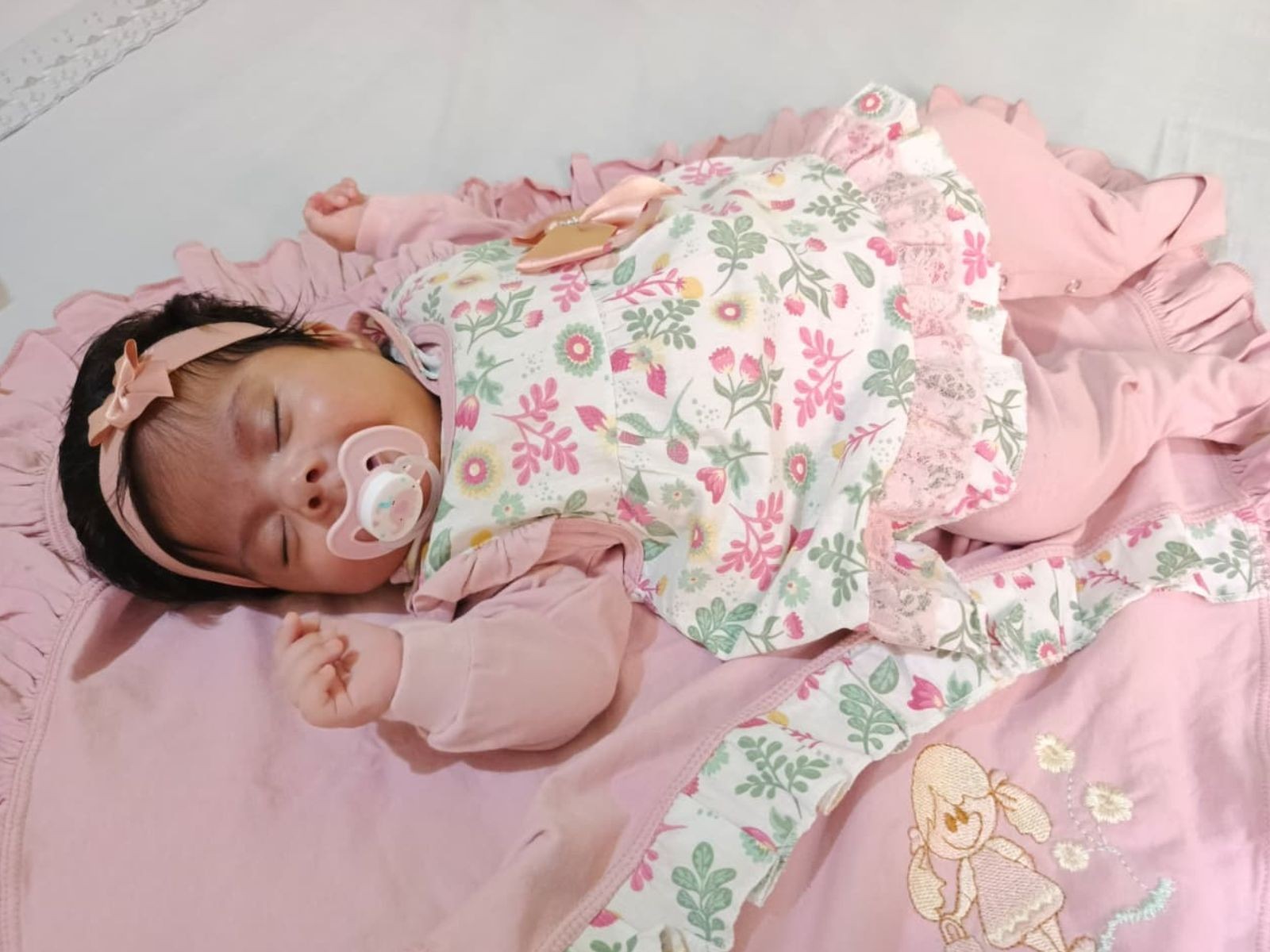
Daniela Castro da Silva, 33, and Gelson Lopes, 42, from Acre, Brazil, recount their struggle for their infant daughter Maria Heloíse's survival after she was diagnosed with congenital heart disease during pregnancy. The diagnosis, made during a seventh-month morphology scan, revealed a condition that would require specialized care unavailable in their home state. Consequently, the couple traveled to São Paulo on April 20th via the Proadi-SUS program to ensure Maria Heloíse could be born in a specialized facility. Daniela, who also manages type 1 diabetes diagnosed in 2022, faced complications during pregnancy, leading to an early delivery. Maria Heloíse was born on May 15th at 35 weeks, weighing just over two kilograms, and was immediately admitted to the neonatal intensive care unit (NICU). Initially expected to gain weight before a complex corrective surgery, her condition worsened as the artery supplying blood to her lungs began to close, making breathing without oxygen support impossible. Doctors performed a minimally invasive cardiac catheterization, inserting a stent to keep the artery open and improve oxygenation, a procedure accessed through her neck. The intervention was successful, allowing Maria Heloíse to breathe independently. She was discharged and returned to Rio Branco on July 4th for continued monitoring and weight gain. The family anticipates a return to São Paulo in January 2027 for the definitive open-heart surgery. Daniela emphasizes the critical role of early diagnosis in accessing specialized treatment and expresses profound relief at seeing her daughter breathing well.
This narrative highlights the critical disparities in healthcare infrastructure between Brazil's states, necessitating interstate travel for specialized pediatric cardiac care. The reliance on programs like Proadi-SUS underscores the systemic challenges in ensuring equitable access to advanced medical treatment. While the early diagnosis and successful intervention offer a hopeful outcome, it raises questions about the long-term sustainability and scalability of such specialized care models. Future considerations should focus on strengthening regional healthcare capabilities to reduce the burden on families and prevent potentially life-threatening delays in treatment, particularly for complex congenital conditions. The case also illustrates the intersection of maternal health conditions, like diabetes, with fetal development, emphasizing the need for integrated prenatal and neonatal care pathways.
AI-generated to prompt reflection — not editorial opinion, not advice, not a statement of fact. How this works.
