Acre Court Questions Rio Branco's Revised Master Plan Over Procedural and Environmental Concerns
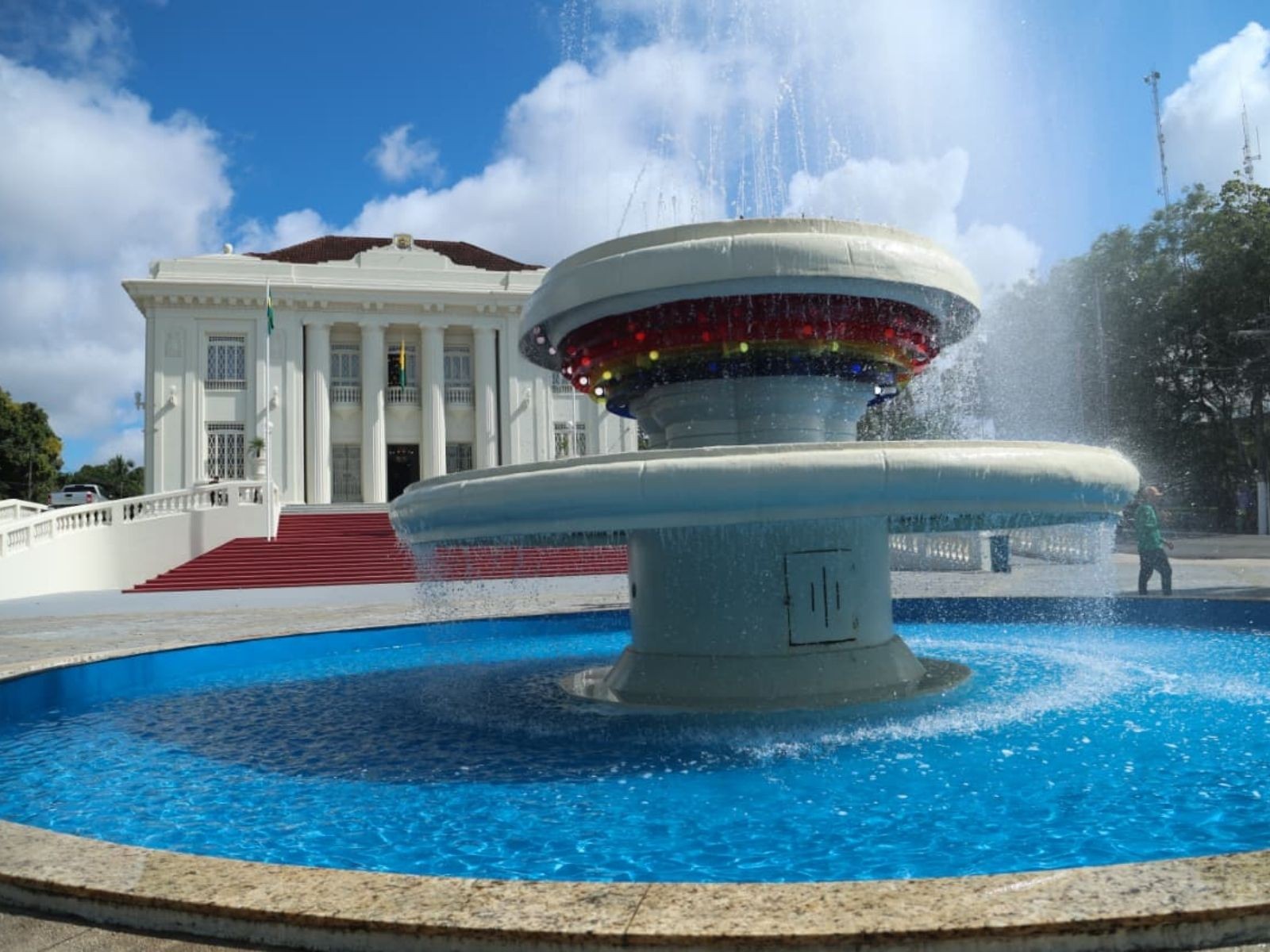
The Court of Accounts of Acre (TCE-AC) has raised serious questions regarding changes approved by the Rio Branco City Council to the municipal Master Plan. The TCE-AC cited significant procedural flaws, particularly concerning social participation in virtual debates, and highlighted potential negative impacts on environmental protection and urban planning. The court argues that the revised plan was approved despite technical warnings and studies from the TCE-AC, the State Public Ministry (MP-AC), and the Federal University of Acre (Ufac), suggesting a disregard for established protocols.
Key points of contention include a reduction in the non-buildable buffer zone along highways from 15 meters to 5 meters, a change that the TCE-AC believes could compromise urban mobility, road safety, and future infrastructure expansion. Another amendment allows public authorities to decide on offering land and basic infrastructure for housing projects through urban consortium operations, which the TCE-AC fears could lead to development in high-risk flood and geological zones, potentially endangering approximately 14,000 residents currently living in such areas. The court also criticized the simplification of rural land categories, reducing them from six to three, which may hinder specific public policies for rural territories and potentially impact the Amapá Environmental Protection Area.
Furthermore, the TCE-AC pointed out that the revision process lacked adequate public participation, with a heavy reliance on digital discussions during the pandemic that may have excluded peripheral communities and those with limited internet access. The exclusion of mechanisms for environmental compensation, such as Receptor Areas for Green Spaces (ARV), was also criticized for potentially reducing green connectivity and increasing soil impermeability. The TCE-AC warned that these issues could lead to legal challenges, annulment of the Master Plan, and potential sanctions against public officials.
The TCE-AC's critique of Rio Branco's revised Master Plan underscores a recurring tension between expedited development goals and the imperative of robust public consultation and environmental stewardship. The court's concerns about procedural integrity, particularly regarding digital participation during the pandemic, highlight the challenges of ensuring inclusive governance in an increasingly digital world. The potential for amendments to facilitate development in high-risk zones and reduce environmental protections suggests that short-term economic or housing pressures may be overriding long-term sustainability and resilience considerations. Future urban planning frameworks will need to balance immediate needs with comprehensive risk assessment and equitable stakeholder engagement to avoid legal challenges and ensure sustainable growth aligned with national and global development objectives.
AI-generated to prompt reflection — not editorial opinion, not advice, not a statement of fact. How this works.