Acre Court Upholds $10,000 Payout for Gatekeeper Shot During School Robbery
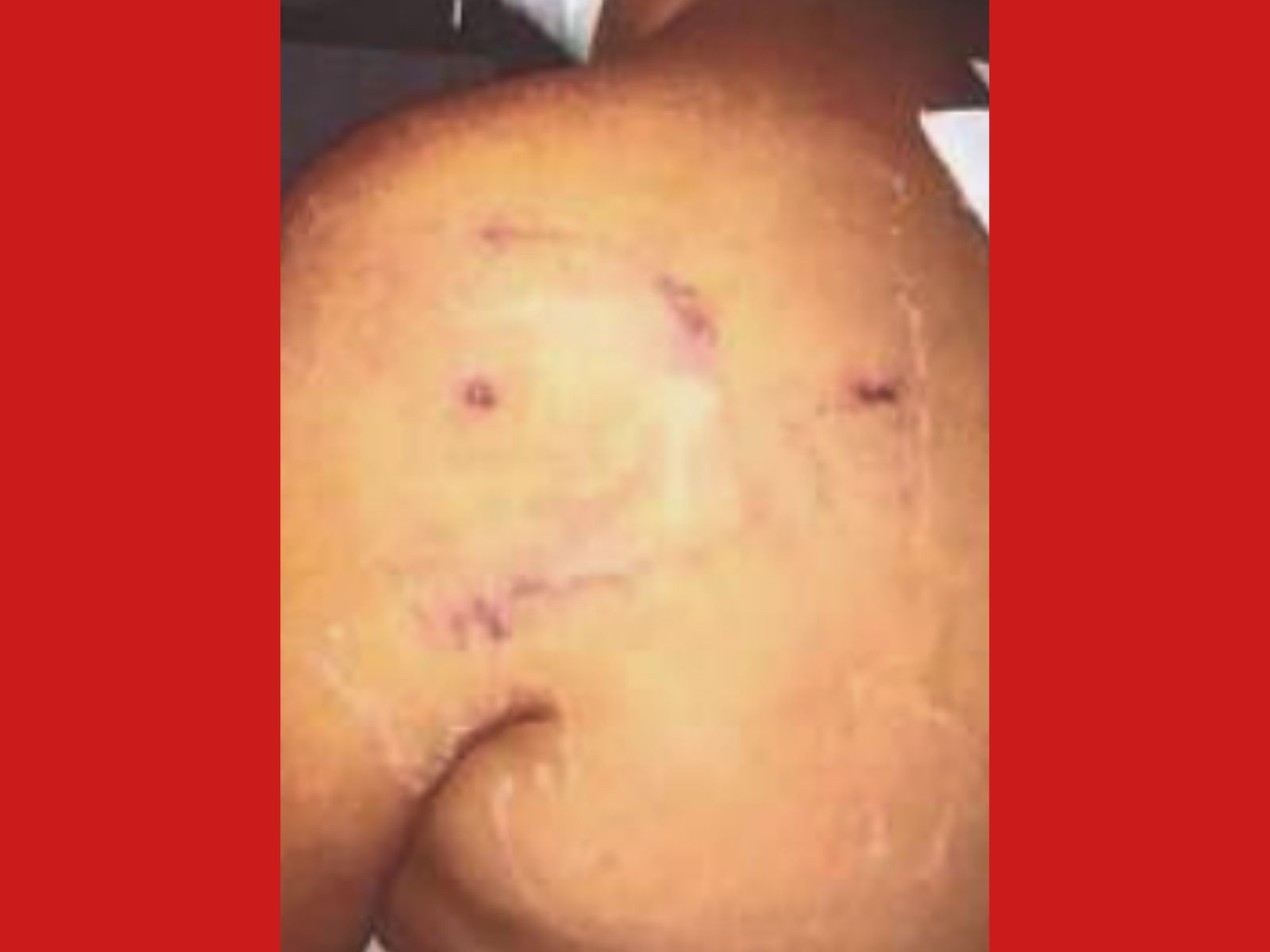
The Second Civil Chamber of the Acre Court of Justice (TJ-AC) has upheld a R$ 10,000 (approximately $2,000 USD) compensation award for a school gatekeeper who was shot during a robbery at the Lourival Sombra School in Rio Branco in 2021. The court found the state responsible due to inadequate security measures, specifically a lack of proper access control at the time of the incident. The bullet entered the victim's back and exited her left arm, without hitting vital organs. A school secretary intervened, fatally shooting the assailant, identified as Ivanilso Angelo Reis da Silva, 28. The victim's lawyer, Álvaro Maciel Sobrinho, stated that while the moral damages award was maintained, the R$ 5,000 aesthetic damages award was removed, as the court found no proof of deformity. The lawyer intends to appeal this decision regarding aesthetic damages to the Superior Court of Justice (STJ), citing the firearm discharge scar. The state had appealed the initial ruling, arguing that the crime was committed by third parties and not due to a public administration failure. However, the court determined there was a specific failure in public service provision, supported by witness testimony regarding the absence of minimal control mechanisms. The victim was diagnosed with post-traumatic stress disorder (ICD F43.1) and required controlled medication, with emotional consequences affecting her work environment. The court noted that while corridors and the school gate had cameras, the specific room where the crime occurred did not. This ruling comes after a separate fatal shooting incident in May of the same year at another Rio Branco school, which led to increased security measures.
The court's decision highlights the critical importance of robust access control systems in educational institutions, particularly in light of rising school violence. By assigning state responsibility, the ruling underscores a systemic failure in public service provision rather than solely attributing blame to external actors. This perspective encourages a broader examination of institutional security protocols and their effectiveness in safeguarding personnel and students. The legal framework's emphasis on documented evidence, such as medical diagnoses and witness accounts, demonstrates a commitment to objective assessment. Future considerations may involve exploring technological solutions and policy frameworks that proactively mitigate risks, ensuring that educational environments are secure spaces, thereby fostering a climate conducive to learning and well-being.
AI-generated to prompt reflection — not editorial opinion, not advice, not a statement of fact. How this works.