Acre Extends Phytosanitary Emergency for Cocoa and Cupuaçu Crops Due to Moniliasis Pest
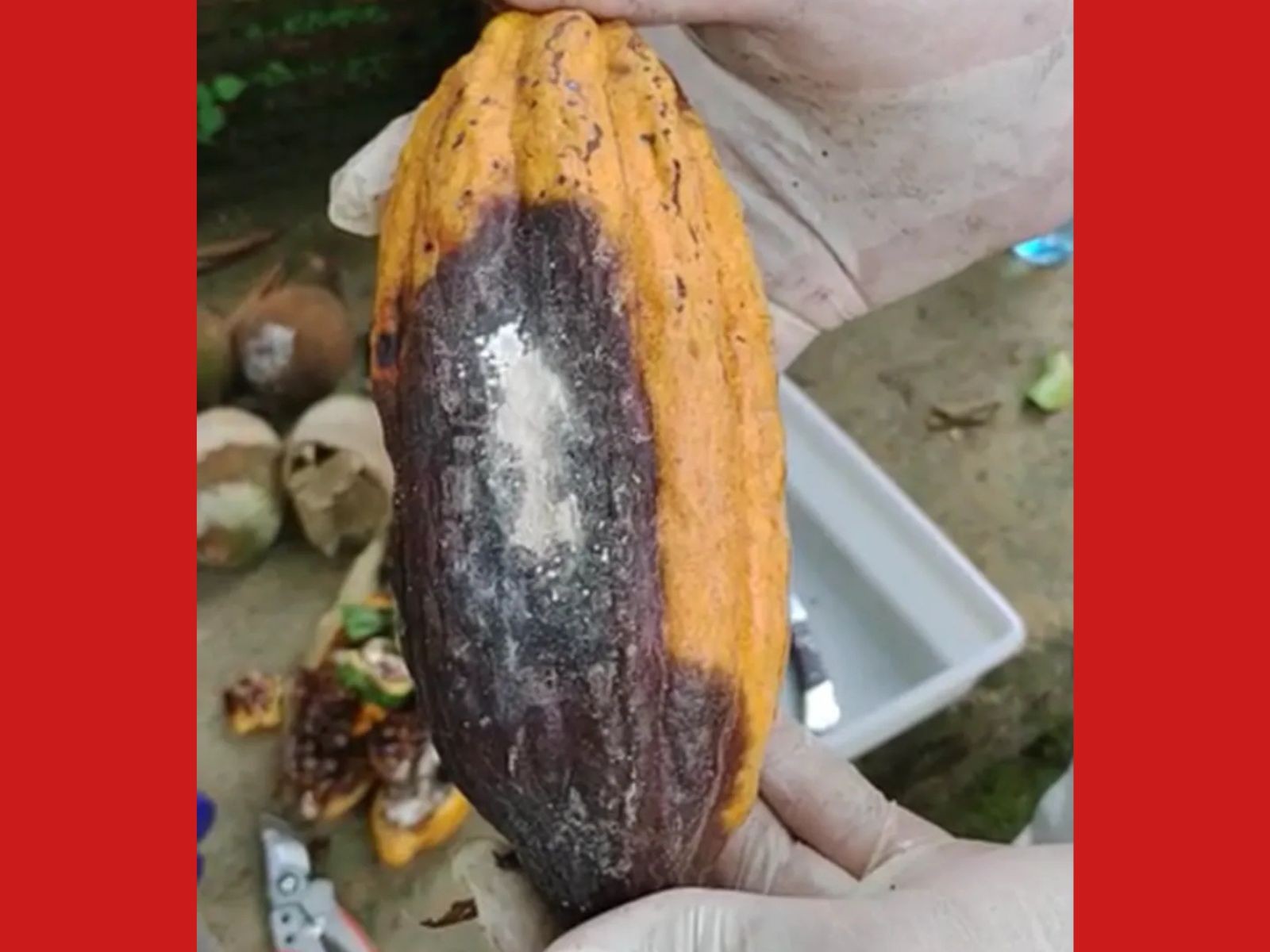
Brazil's Ministry of Agriculture and Livestock (Mapa) has extended the phytosanitary emergency in Acre for an additional year, marking the fifth consecutive year of this declaration. The emergency is due to the quarantine pest moniliasis, identified in 2021, which severely affects cocoa and cupuaçu fruits. This extension, published in the Official Gazette, aims to maintain and reinforce federal government measures to prevent the spread of the disease. The decree, effective August 5, also encompasses the states of Amazonas, Pará, and Rondônia due to their risk of pest introduction.
Mapa's superintendent in Acre, Paulo Trindade, stated that the moniliasis outbreak in the state remains concentrated in Cruzeiro do Sul, Mâncio Lima, Rodrigues Alves, and Marechal Thaumaturgo. Acre has been under quarantine for this pest since 2022, with monitoring and containment efforts in the state recognized as effective in preventing its spread beyond initial locations. Monitoring occurs twice annually on properties across Acre. Moniliasis is considered one of Brazil's most devastating agricultural pests, capable of destroying up to 80% of a plantation by causing progressive fruit rot.
The emergency plan includes identifying areas for monitoring using georeferenced data and enhancing phytosanitary surveillance in vulnerable regions. Mapa will also continue educational initiatives for rural producers on early identification and management. Actions for monitoring, suppression, and eradication in confirmed areas, along with biosafety procedures for cocoa bean transport, remain in place. The fungus, Moniliophthora roreri, causes dark spots, deformities, and eventual rot in fruits, posing a significant economic threat, particularly in the Amazon region. The emergency declaration enables exceptional government actions to control the pest and bolster production area monitoring.
The extension of the phytosanitary emergency in Acre highlights the persistent challenge of agricultural pest management in the Amazon region. While the measures aim to contain the devastating moniliasis fungus, the recurring need for emergency declarations suggests underlying systemic vulnerabilities in agricultural biosecurity and producer support. The economic implications for cocoa and cupuaçu farmers, particularly in a region reliant on these crops, warrant a long-term strategic review. Future strategies might benefit from exploring integrated pest management approaches that combine technological advancements with robust community-based surveillance and sustainable farming practices, ensuring resilience against future outbreaks and reducing reliance on repeated emergency interventions.
AI-generated to prompt reflection — not editorial opinion, not advice, not a statement of fact. How this works.