Acre Federal University students protest transport crisis, blocking campus entrance
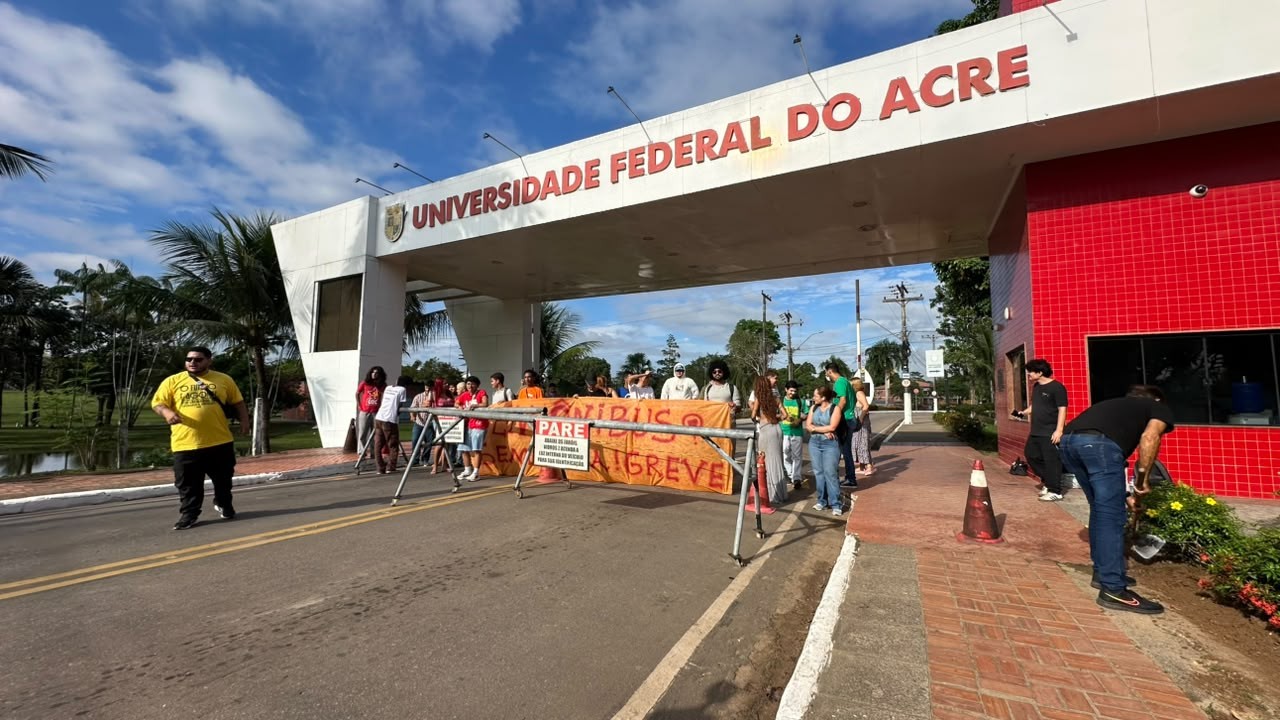
Students at the Federal University of Acre (Ufac) in Rio Branco resumed protests on Tuesday, May 14th, against the ongoing public transport crisis. Demonstrators blocked the main entrance and exit of the Ufac campus on BR-364, causing significant traffic congestion. They are demanding immediate measures to ensure students can reach the university, citing the inadequacy of the current public transportation system in the capital. The protest follows a similar demonstration the previous day in front of the Rio Branco City Hall, which reportedly ended in altercations between students and municipal employees. Students are also advocating for an atypical academic semester to mitigate academic losses for those unable to attend classes due to transportation issues. Leonardo Maia, a student involved in the movement, expressed frustration with repeated unfulfilled promises regarding improvements to the bus fleet, stating that students have been hearing "it will improve next week" for six years. He emphasized that the lack of reliable transport prevents students from attending classes, working, and accessing the city. During a meeting on Monday, May 13th, representatives from the student movement, Ufac, RBTrans (the local transport authority), and the State Audit Court (TCE-AC) discussed potential solutions. Ufac issued a statement condemning the violence at the city hall protest and reaffirming its commitment to students' rights and the search for solutions to the transport problems.
The student protests highlight a systemic failure in urban public transportation infrastructure, directly impacting educational access and equity. The recurring nature of these demonstrations suggests a persistent disconnect between the needs of the student population and the capacity or willingness of municipal authorities and transport operators to provide reliable service. Repeated promises without tangible, long-term improvements indicate a potential governance challenge, where short-term fixes are prioritized over sustainable solutions. The conflict at City Hall, while unfortunate, underscores the escalating frustration and the potential for social unrest when basic public services are perceived as failing. Moving forward, a comprehensive, data-driven approach to urban mobility planning, potentially involving public-private partnerships with clear performance metrics and accountability mechanisms, is crucial. This situation also presents an opportunity to explore innovative, technology-enabled solutions for public transport in the region, considering the long-term implications of inadequate infrastructure on economic development and social mobility in the digital age.
AI-generated to prompt reflection — not editorial opinion, not advice, not a statement of fact. How this works.