Acre Friends Maintain 30-Year Domino Tradition for Camaraderie and Mental Exercise
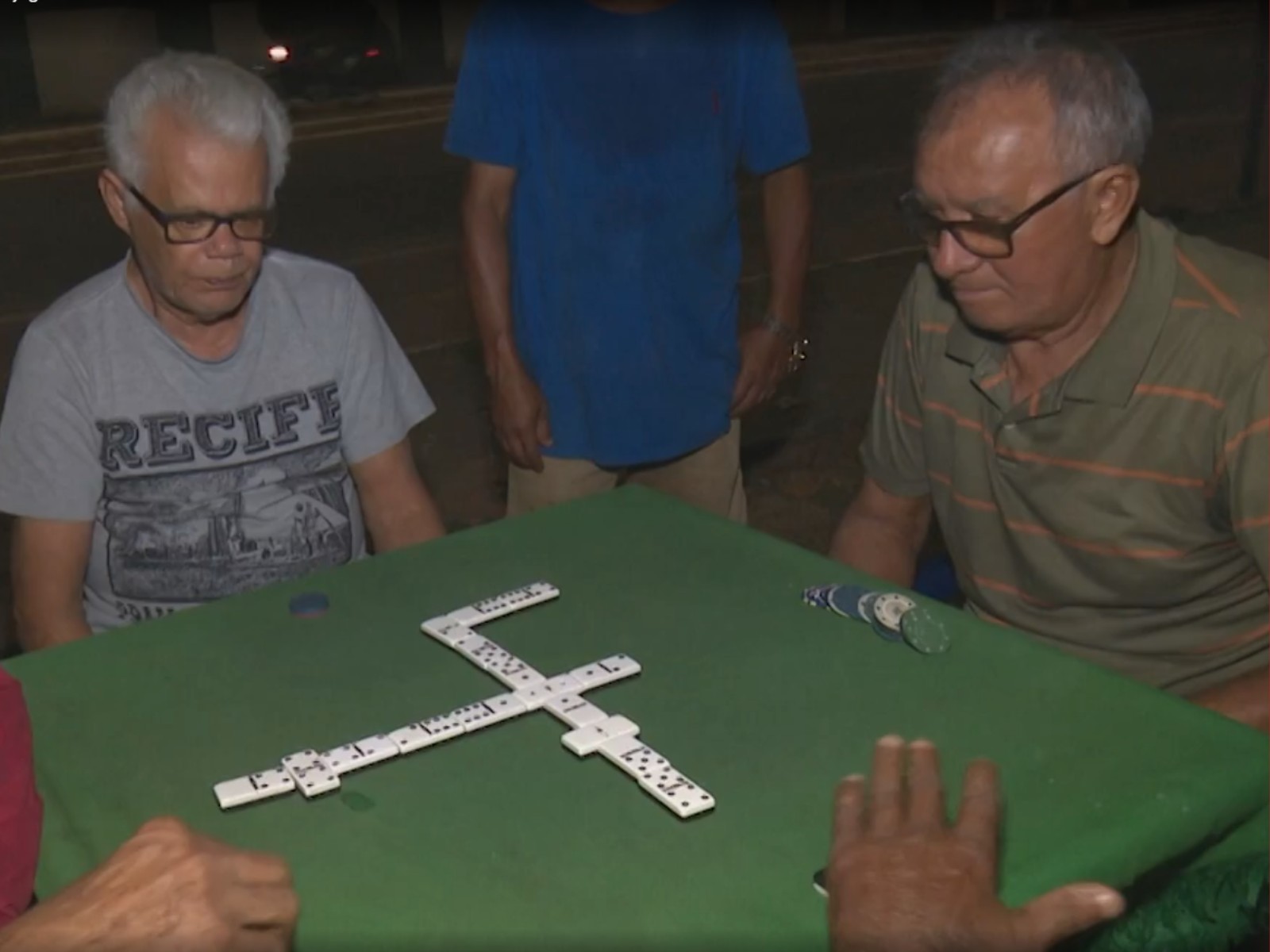
A group of friends in Rio Branco, Acre, Brazil, has upheld a daily tradition of playing dominoes for over three decades. The gatherings, which began with the father of one member, Pedro José, have evolved into a cherished routine for retirees and others in the Vila Ivonete neighborhood and surrounding areas. Participants like retired Pedro José and 59-year-old professor Paulo Dantas emphasize that the primary goal is not winning, but preserving a friendship forged over many years. Pedro shared that the tradition started when his father moved to the area in 1976 and continued after his father's passing, with Pedro taking over and playing with his friends. Professor Paulo Dantas, who is nearing his senior years, finds the domino games to be a vital form of leisure that keeps his mind active and provides a welcome break from daily routines. He notes that the group is not overly attached to modern digital media, preferring the social interaction and mental stimulation of dominoes. Beyond mental exercise, the games are a source of significant laughter and friendly banter, particularly when a player is subjected to a "capote," a term for scoring fewer than 100 points. The tradition also includes a playful consequence for the loser: they must pack up the domino table, a task that Janil Guedes humorously claims to be the best at. Ultimately, the dominoes serve as a catalyst for daily meetings, ensuring their decades-old friendships remain strong.
This daily domino tradition highlights a human need for sustained social connection and cognitive engagement, particularly as individuals enter retirement. The group's preference for face-to-face interaction over digital media reflects a broader societal tension between technological immersion and the value of tangible community. The practice demonstrates how simple, low-cost activities can foster robust social capital and mental well-being, offering a model for community resilience. From a future-oriented perspective, such traditions may become increasingly important in combating isolation in an aging population and an increasingly digitized world, underscoring the enduring significance of shared physical spaces and routines for mental health and social cohesion.
AI-generated to prompt reflection — not editorial opinion, not advice, not a statement of fact. How this works.