Acre: Indigenous Access Roads in Feijó Need Urgent Repair, Federal Prosecutors Recommend
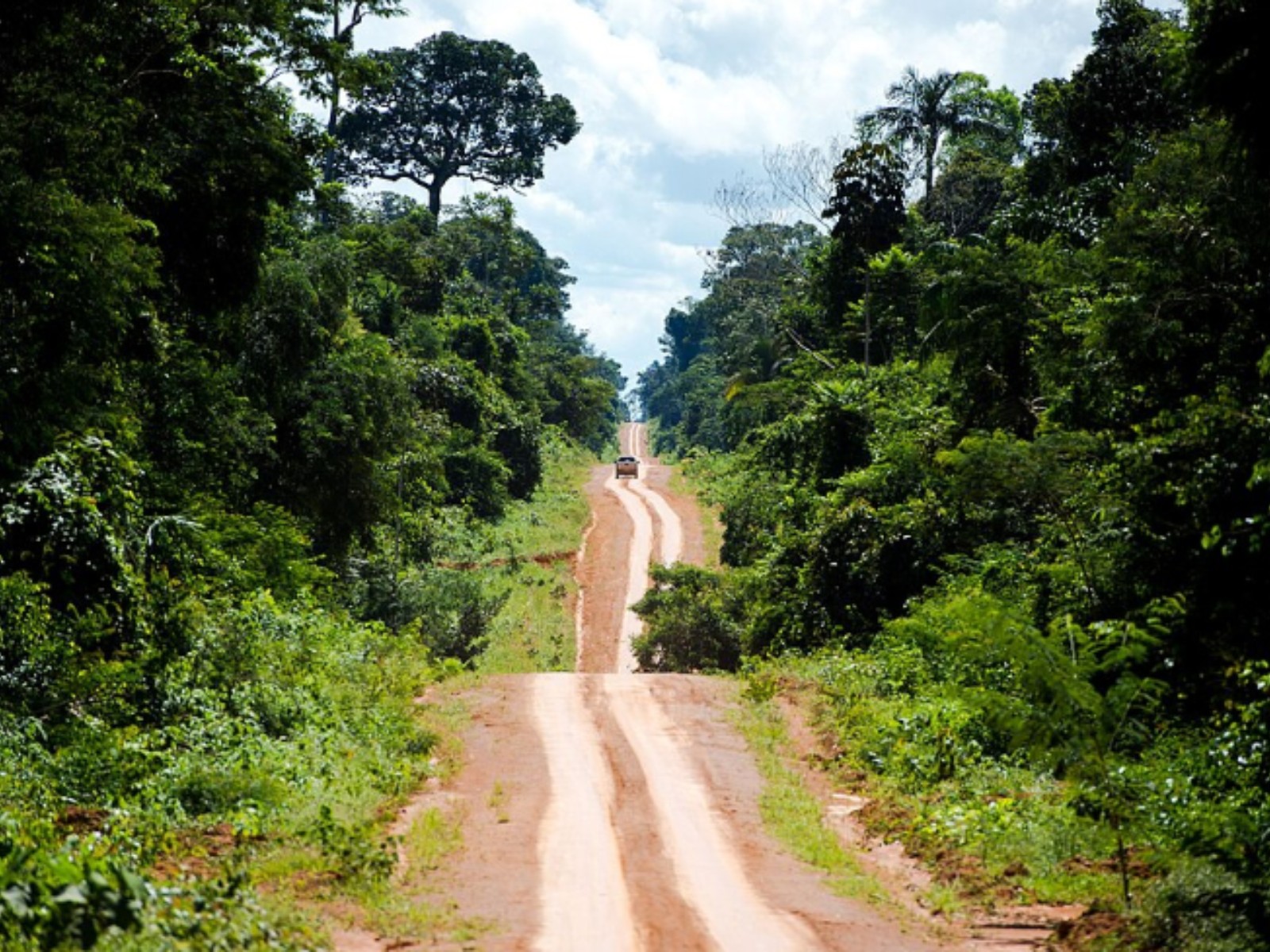
Federal Public Ministry (MPF) in Acre has recommended that the Acre Road Department (Deracre) and the Municipality of Feijó jointly repair nearly 50 kilometers of access roads to indigenous villages. The recommendation, signed by prosecutor Luidgi Merlo Paiva dos Santos, addresses a critical supply shortage faced by the Katukina-Kaxinawá Indigenous Land communities. These roads are essential for transporting basic supplies, accessing healthcare and education services, facilitating production, and enabling other fundamental activities. The MPF highlighted that the Amazon experienced a severe water crisis in 2025 due to a prolonged dry season, exacerbating the need for these repairs. The recommendation sets a 60-day deadline for the improvement activities. Deracre has been notified and stated that its technical and legal departments will analyze the recommendation within the stipulated timeframe, and must respond within five days whether it accepts the recommendation and outline its planned actions. The Municipality of Feijó has committed to providing machinery and labor, but progress has been hindered by a lack of fuel for the equipment. Approximately eight thousand liters of S10 diesel are estimated to be needed for the road recovery. While the Extraordinary Secretariat for Indigenous Peoples (Sepi) is reportedly discussing funding for two thousand liters of diesel through the Boa União Village Producers Association (Aproac), the MPF considers this amount insufficient. Failure to comply with the recommendation could result in legal action.
The MPF's recommendation underscores the critical link between essential infrastructure, such as rural roads, and the fundamental rights of indigenous communities, particularly in the context of environmental challenges like prolonged droughts. The reliance on diesel fuel for road maintenance highlights a systemic vulnerability, exposing the communities to disruptions in supply chains and basic services. Future planning should consider more sustainable and resilient infrastructure solutions, potentially exploring alternative energy sources for machinery or diversified transportation methods. Addressing the immediate fuel shortage requires coordinated inter-agency support, balancing immediate needs with long-term infrastructure resilience to ensure consistent access and prevent future crises.
AI-generated to prompt reflection — not editorial opinion, not advice, not a statement of fact. How this works.