Acre Indigenous Oral Health Project Wins Global Public Health Award
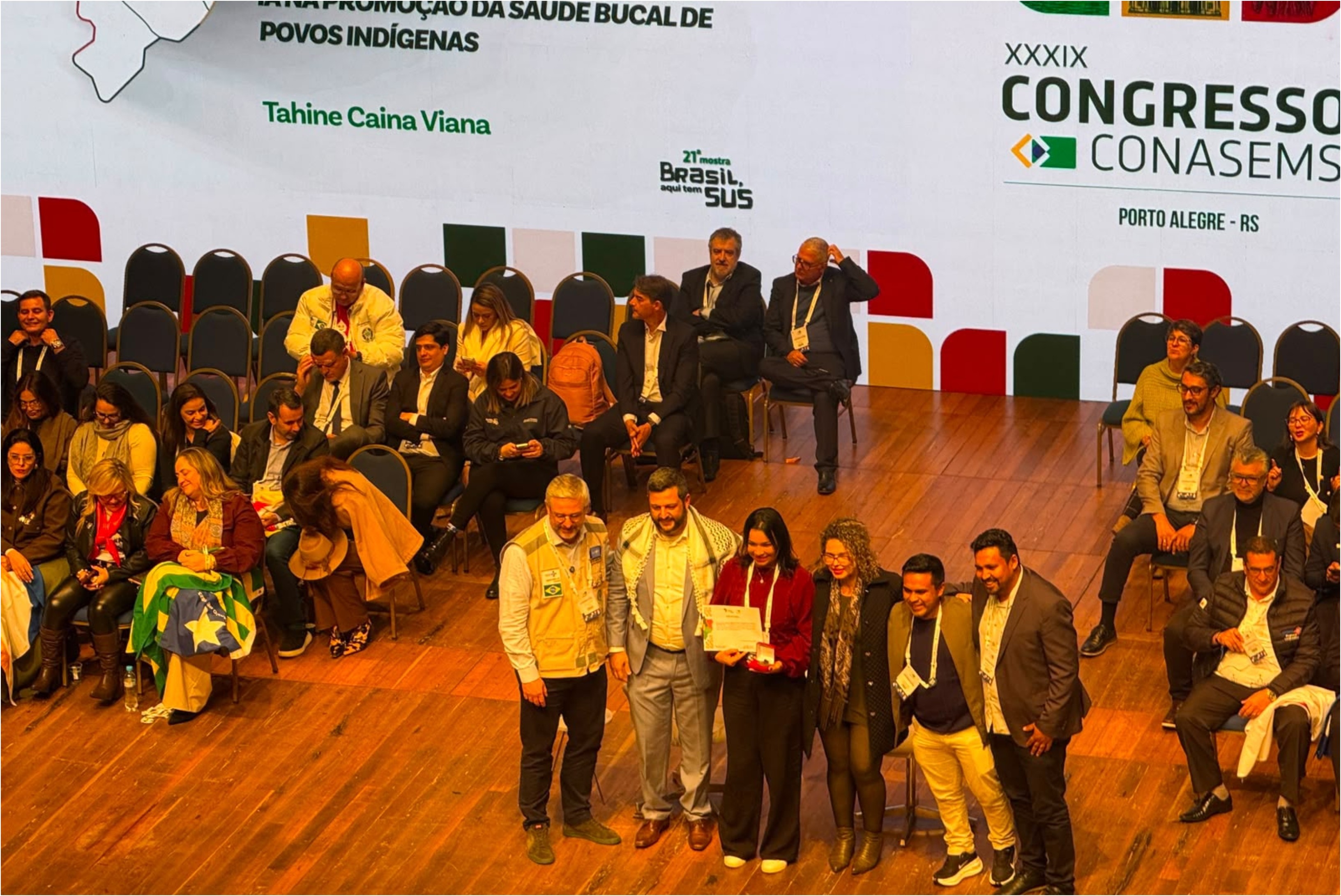
A project focused on promoting oral health among indigenous peoples in Acre, Brazil, has received a significant award at the National Congress of the National Council of Municipal Health Secretariats (Conasems). This event is recognized as the world's largest public health congress. The winning project, titled "Promotion of Oral Health of Indigenous Peoples of DSEI Alto Rio Purus," was presented in Porto Alegre, Rio Grande do Sul. It highlights strategies developed with cultural sensitivity, respecting the customs and traditional knowledge of the Kulina/Madjá indigenous community in the Alto Rio Purus Special Indigenous Health District (DSEI). The initiative was led by dental surgeon Tahine Viana, a member of the Multidisciplinary Indigenous Health Team (EMSI) at the Manoel Urbano Base Pole. The project's actions encompass prevention, health education, and strengthening comprehensive care to improve access to information and the quality of life for the indigenous population. Viana emphasized the importance of research tailored to the specific realities of indigenous health, integrating innovation with respect for ancestral traditions. She believes ethical technology use can significantly aid health promotion and information access. The award also acknowledges the dedication of indigenous health teams working in remote areas and facing logistical challenges to provide essential care. Viana expressed that the congress offered a valuable platform for sharing knowledge, learning from peers across Brazil, and showcasing the realities of working in indigenous territories, hoping it inspires further initiatives.
This award highlights the critical need for culturally competent healthcare delivery within Brazil's Unified Health System (SUS), particularly for indigenous populations. The project's success underscores the efficacy of integrating traditional knowledge with modern public health strategies, demonstrating that effective interventions must be context-specific and community-driven. Future policy should consider how to scale such localized successes, addressing systemic challenges like logistical difficulties in remote areas and ensuring equitable resource allocation. The recognition serves as a powerful case study for how ethical technological integration can bridge gaps in access and information, but it also implicitly points to the ongoing need for sustained investment and policy support to overcome the deep-rooted disparities faced by indigenous communities in Brazil.
AI-generated to prompt reflection — not editorial opinion, not advice, not a statement of fact. How this works.