Acre Indigenous Village Under Investigation for Threats, Boat Theft, and Drug Trafficking
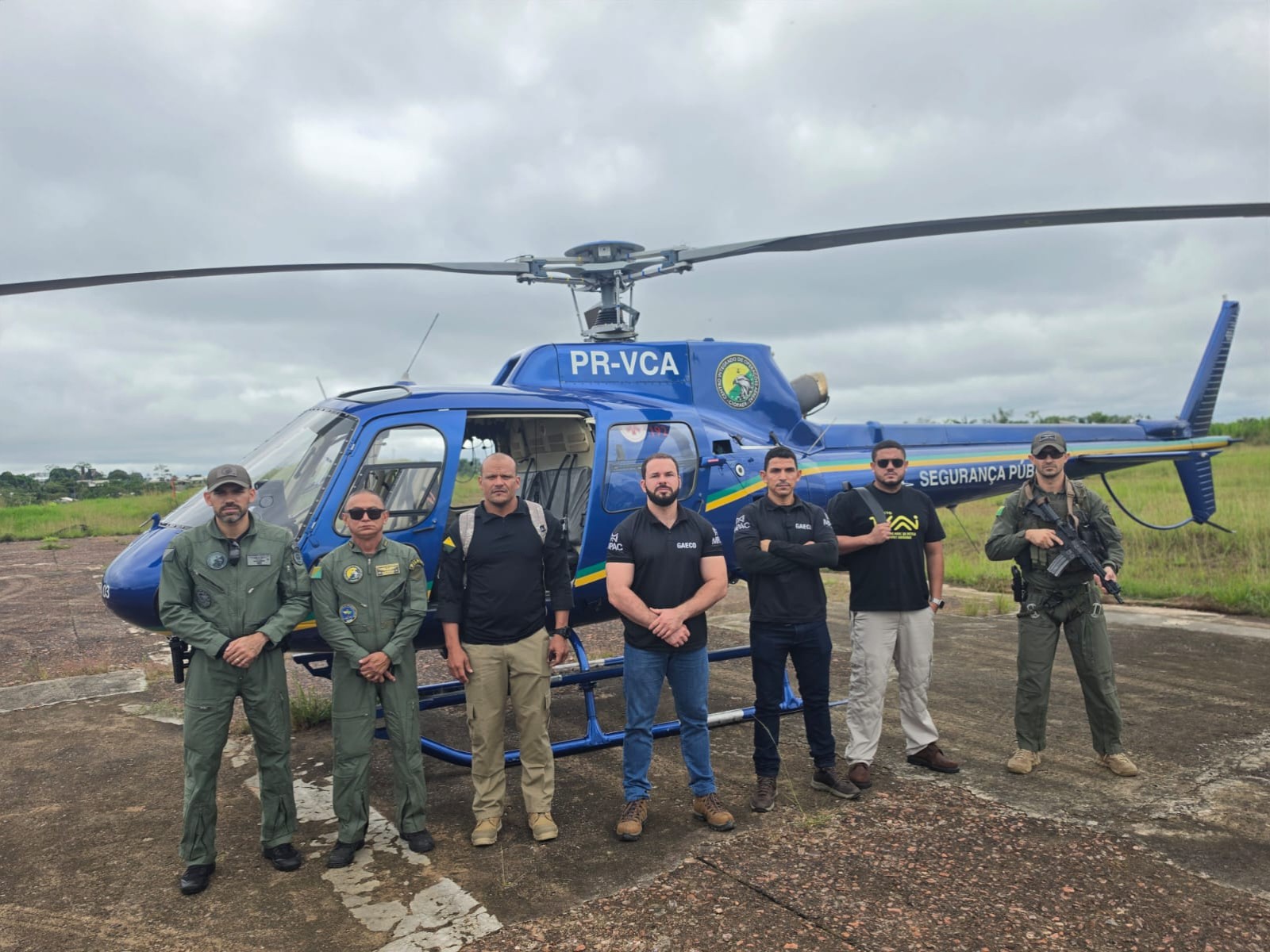
An investigation is underway in the isolated Aldeia Raimundo do Vale, located in the Arara do Rio Cruzeiro do Vale Indigenous Land in Porto Walter, Acre, Brazil, following serious allegations. The Public Prosecutor's Office of Acre (MP-AC) is examining reports of death threats against the indigenous chief, qualified theft of boats with engines, drug trafficking, and the suspected involvement of organized crime. A special investigative team visited the village on Tuesday, the 14th, to gather testimonies from leaders and residents. Criminal groups are allegedly attempting to control river routes in the area to facilitate transnational drug trafficking. Prosecutors suspect that the communities are living under a climate of fear, with vulnerable individuals potentially being coerced. Reaching the remote village required significant logistical support, including the use of two aircraft from Ciopaer: a plane from Rio Branco to Porto Walter and a helicopter from Porto Walter to the village itself. This aerial transport ensured the team's rapid arrival. During the visit, potential perpetrators were identified, and testimonies were collected. The gathered information will contribute to a technical report and further investigations, which will also incorporate data from the Civil Police and intelligence on possible criminal faction activity. Collaborative efforts are planned with the Federal Public Prosecutor's Office (MPF) and the National Indian Foundation (Funai) for area oversight and pacification. The Army has also offered its assistance in addressing the situation.
This situation highlights the complex challenges of governance and security in remote indigenous territories. The alleged criminal activities, including drug trafficking and threats against leadership, point to systemic vulnerabilities exacerbated by geographic isolation. The MP-AC's intervention, supported by aerial logistics and inter-agency cooperation, demonstrates a necessary response to protect vulnerable populations and assert state authority. However, the long-term solution likely requires more than just law enforcement operations. Addressing the root causes, such as socioeconomic disparities that may lead to co-option of vulnerable individuals, and ensuring consistent support from entities like Funai will be critical. The involvement of the Army suggests a potential escalation of security measures, which must be carefully managed to respect indigenous rights and avoid further militarization of the region. Future efforts should focus on sustainable community development and robust, rights-based protection mechanisms to prevent such crises.
AI-generated to prompt reflection — not editorial opinion, not advice, not a statement of fact. How this works.