Acre leads Brazil in construction costs for sixth consecutive month
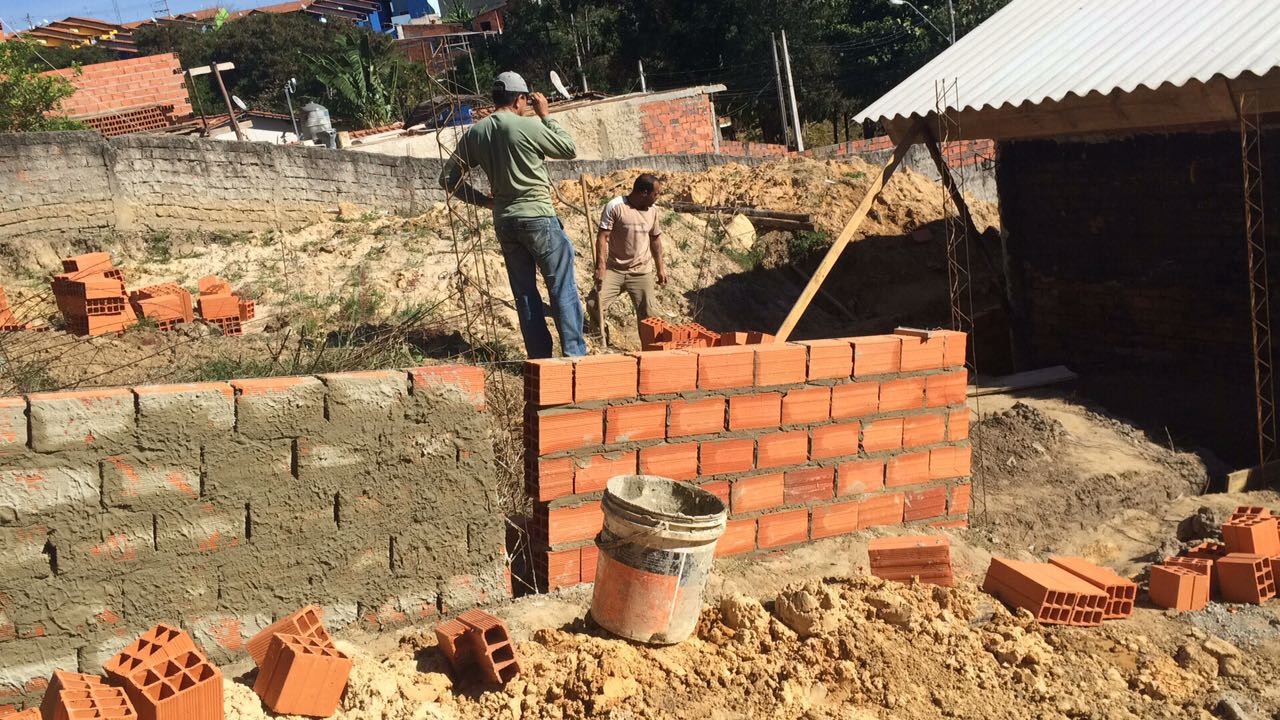
For the sixth month in a row, the state of Acre has recorded the highest construction costs in Brazil, with the price per square meter reaching R$ 2,285.40 in June. This figure, according to data from the National Index of Civil Construction (Sinapi) released by the IBGE, surpasses even Santa Catarina, which previously held the top spot for an extended period. Despite Acre's significantly smaller economy, with a GDP of R$ 26 billion compared to Santa Catarina's R$ 513.4 billion, its construction costs remain the highest nationally. The June price represents a modest 0.19% increase from May, when the cost was R$ 2,281.15 per square meter. However, over the past year, Acre has seen a substantial 9.96% cumulative increase in construction costs, making it the second-highest variation in the country, trailing only Mato Grosso's 10.04% rise. This elevated cost is 15.6% above the national average of R$ 1,976.37. Of the total cost per square meter, R$ 1,114.74 is attributed to materials like cement, sand, and bricks, while R$ 861.63 covers labor. In the Northern region, Acre is followed by Rondônia (R$ 2,179.24), Roraima (R$ 2,117.84), Tocantins (R$ 2,038.18), and Amapá (R$ 2,014.97). The high costs are reportedly causing distress for residents, making the dream of homeownership more distant and leading many to opt for renting.
The persistent high cost of construction in Acre, despite its comparatively smaller economic output, suggests a potential disconnect between local market dynamics and broader national economic indicators. Factors such as regional supply chain efficiencies, labor availability, transportation costs, or specific local demand pressures may be contributing to this sustained premium. Understanding these localized drivers is crucial for developing targeted policies that could potentially alleviate the burden on residents seeking to build homes. Examining the interplay between material costs, labor expenses, and the specific economic structure of Acre could reveal systemic issues that extend beyond simple price fluctuations, offering insights into regional development challenges and opportunities for future housing affordability initiatives.
AI-generated to prompt reflection — not editorial opinion, not advice, not a statement of fact. How this works.