Acre Mother Alleges Negligence After Premature Baby's Death
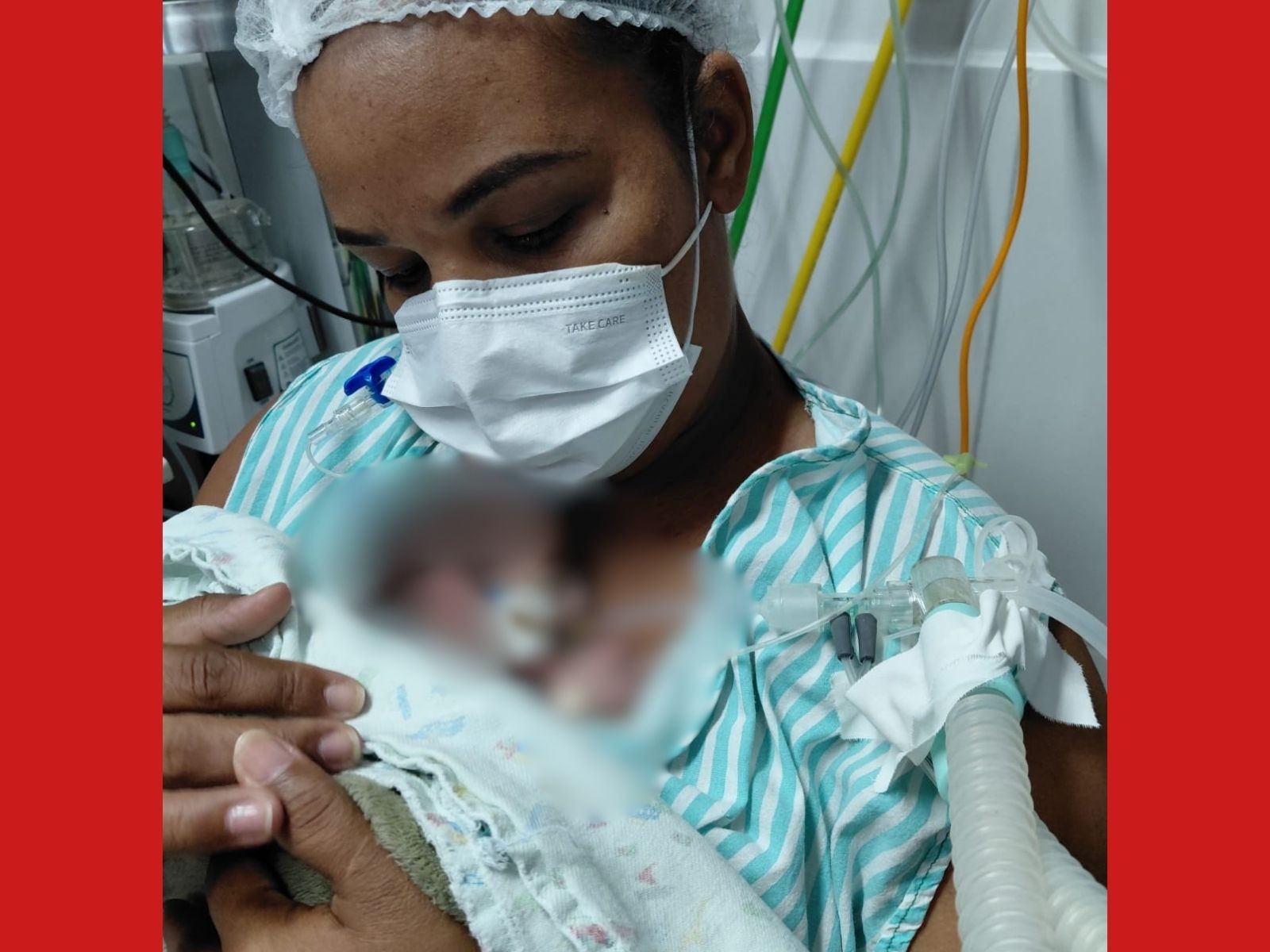
Mayra Silva Chaves, a 40-year-old mother from Rio Branco, Acre, is accusing the Bárbara Heliodora Maternity Ward of negligence following the death of her premature son, Lucas Gabriel Chaves Santiago. The infant passed away on May 12th at 24 days old, after nearly a month in the Neonatal Intensive Care Unit (NICU). Lucas was born prematurely on April 18th at 32 weeks gestation due to his mother developing pre-eclampsia, a high-risk condition. The maternity ward initially cited sepsis, or generalized infection, as the cause of death, a diagnosis the mother disputes, pointing to injuries on her son's head. She claims medical staff informed her Lucas was stable hours before his death, contradicting the sepsis diagnosis. Mayra also expressed concerns that the CPAP machine used to assist his breathing may have caused head injuries, citing his increased crying and apparent discomfort in the days leading up to his death. She reported these concerns to doctors, who reportedly performed an emergency cranial ultrasound revealing a small blood clot and bruising, which they described as normal for premature infants. The Acre Health Secretariat stated that no formal complaint has been filed with the maternity ward's ombudsman or the Public Prosecutor's Office regarding this specific case. However, the Public Prosecutor's Office confirmed an investigation by the Civil Police is underway to examine the circumstances of the baby's death, and they are monitoring the proceedings to take appropriate action upon completion.
This case highlights critical issues in neonatal care and parental advocacy within Brazil's public health system. The mother's detailed account raises questions about the communication protocols between medical staff and families, particularly concerning the management of premature infants and the interpretation of diagnostic findings like cranial ultrasounds. The discrepancy between the stated cause of death and the observed physical signs, coupled with the mother's prior concerns about potential harm from medical equipment, warrants thorough investigation. The Public Prosecutor's Office's involvement is a crucial step in ensuring accountability and transparency. Moving forward, healthcare institutions must prioritize clear, empathetic communication and robust protocols for addressing parental concerns. This incident underscores the need for continuous training in patient advocacy and the ethical handling of sensitive situations to prevent future tragedies and rebuild trust between families and healthcare providers.
AI-generated to prompt reflection — not editorial opinion, not advice, not a statement of fact. How this works.