Acre Opens Over 250 Fies Student Loans for Second Half of 2026
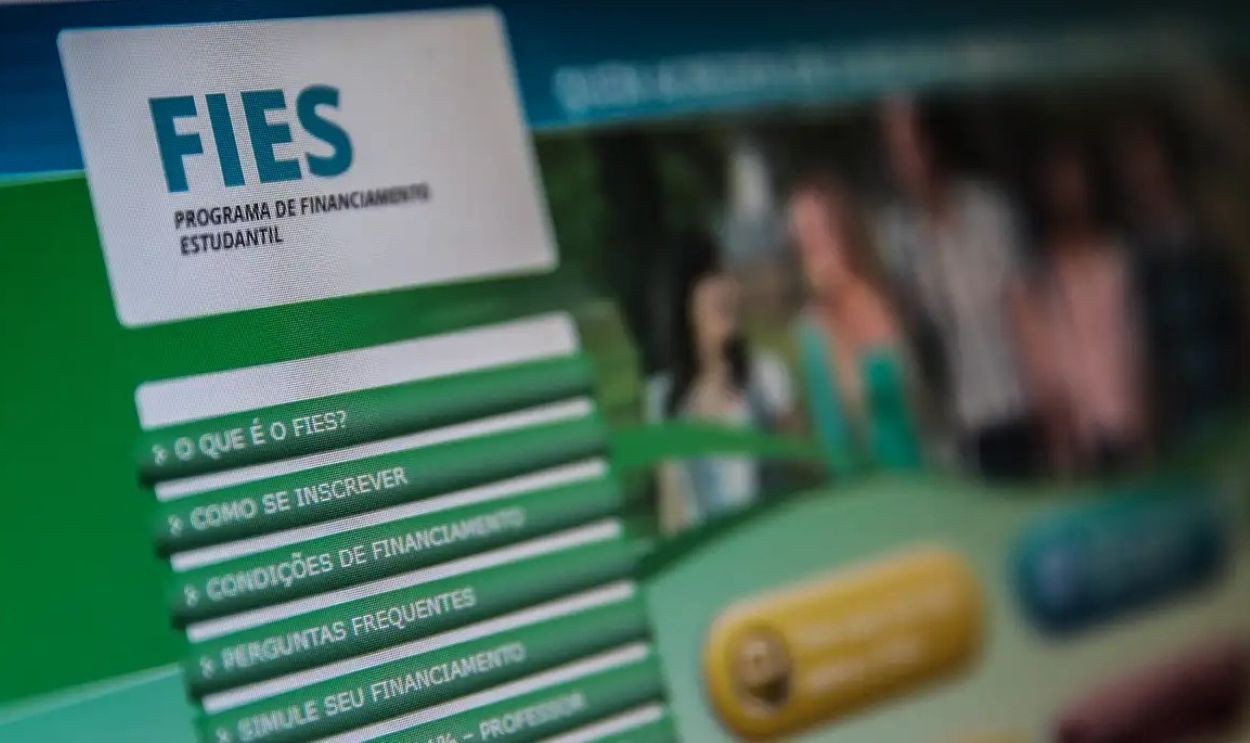
Applications are now open for the Fundo de Financiamento Estudantil (Fies), Brazil's student loan program, for the second semester of 2026. The registration period runs from July 14th to July 17th and can be accessed through the Portal Acesso Único (acessounico.mec.gov.br/fies). Fies, managed by the Ministry of Education (MEC), provides financing for tuition fees in private higher education institutions. In the state of Acre, 255 Fies positions are available across various private institutions.
Eligibility criteria for this Fies cycle include having participated in the ENEM national exam since 2010, achieving a minimum score of 450 on objective tests, a non-zero score on the essay, and a gross monthly per capita family income of up to three minimum wages. Applicants must provide valid contact information, family details, and select up to three course preferences. Unlike Prouni scholarships, Fies offers a loan that must be repaid after graduation, with repayment terms based on the beneficiary's income.
A significant portion, half of the total Fies vacancies, is allocated to the Fies Social modality. This initiative targets low-income students, specifically those registered in the Cadastro Único (CadÚnico) with a per capita family income of up to half a minimum wage, potentially covering up to 100% of tuition costs. Nationally, MEC is offering 75,500 Fies places across 1,274 institutions, with unfilled spots from the first semester being carried over to this round.
The Fies program's expansion, particularly through the Fies Social initiative, reflects a strategic effort to address income inequality in higher education access. By allocating half of the available positions to low-income students, the government aims to democratize opportunities, acknowledging that financial barriers remain a significant impediment for many. This approach, however, necessitates robust oversight to ensure efficient allocation and prevent potential defaults, which could strain public finances. The program's long-term sustainability will depend on effective income-driven repayment mechanisms and economic conditions that enable graduates to secure employment and meet their repayment obligations. Future iterations might explore partnerships with private lenders or innovative funding models to further broaden access while managing fiscal risks.
AI-generated to prompt reflection — not editorial opinion, not advice, not a statement of fact. How this works.