Acre Physical Educator Shares Outdoor Play Ideas for Child Development During School Holidays
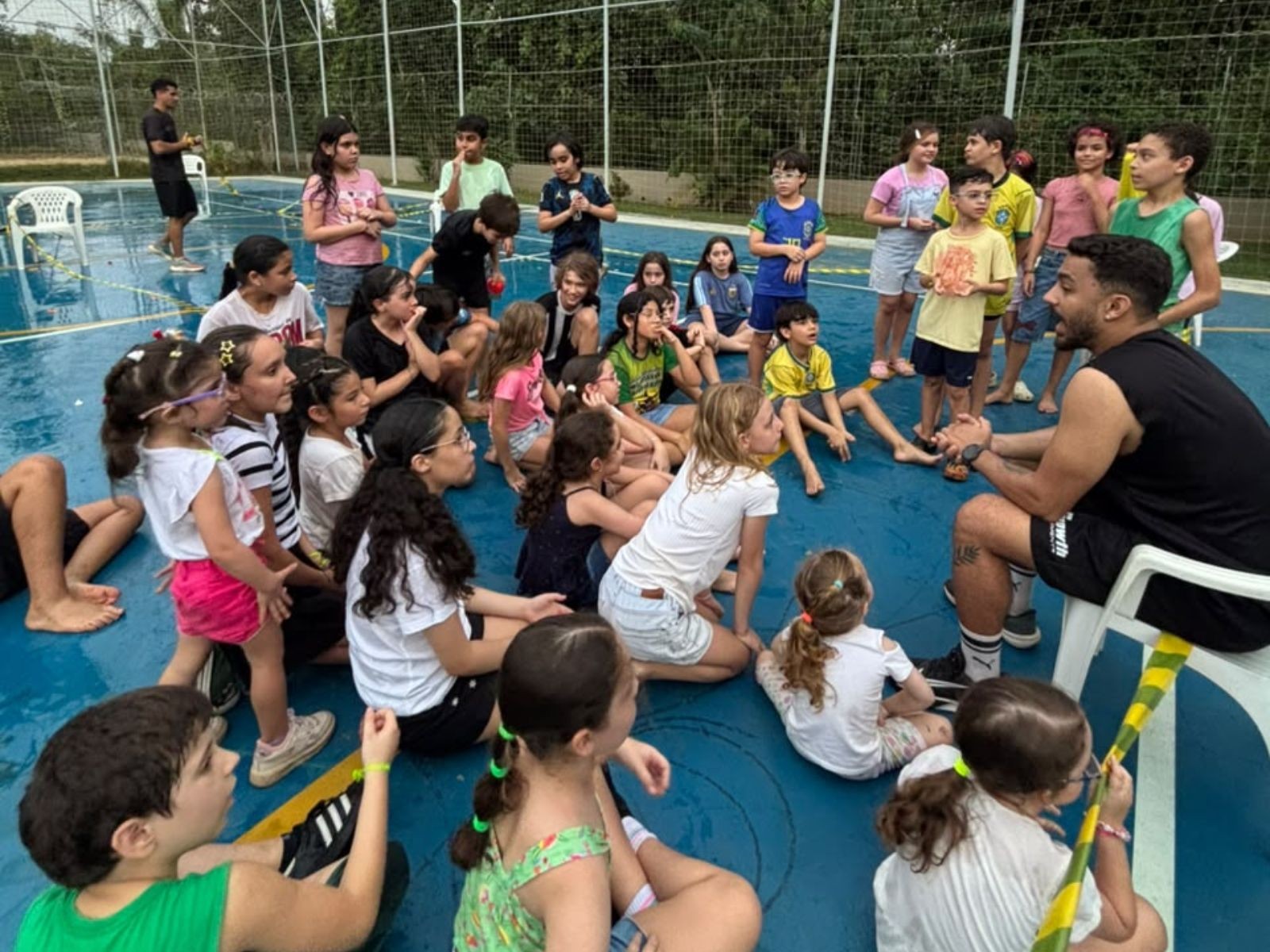
As school holidays approach, a physical educator from Acre, Ramon Oliveira, is offering guidance on outdoor play to counteract excessive screen time and promote children's development. Oliveira, a 29-year-old professional with experience in children's recreation in Rio Branco since 2018, emphasizes that play is crucial for more than just entertainment. He notes that children are spending increasing amounts of time on devices, while family routines are busier and safe play spaces are diminishing. This trend limits opportunities for physical activity, exploration, and social interaction, hindering the development of essential life skills.
Oliveira suggests that well-planned activities, adaptable to different ages, can significantly benefit children's physical, cognitive, and social growth without requiring substantial expense. He recommends games like obstacle courses, treasure hunts, tag, and team challenges, which foster motor skills, balance, agility, creativity, problem-solving, and cooperation. The World Health Organization (WHO) recommends at least 60 minutes of moderate to vigorous physical activity daily for children and adolescents aged 5-17, a goal achievable through active play. Oliveira stresses the importance of parental involvement, stating that family participation makes activities more meaningful for children. He also advises a balanced approach, avoiding excessive screen time while ensuring children have free time for rest and creativity, and always prioritizing safety with supervision, hydration, and sun protection.
The article highlights a common contemporary challenge: the displacement of active, outdoor play by digital screen engagement among children. The expert, Ramon Oliveira, frames this issue through the lens of child development, advocating for a return to physical activities that foster crucial motor, cognitive, and social skills. His recommendations, emphasizing creativity and low-cost solutions, address potential barriers for families. The analysis suggests that the digital environment, while offering connectivity, may inadvertently contribute to developmental deficits if not balanced with real-world interaction and physical exertion. This dynamic underscores the need for systemic approaches, potentially involving educational institutions and urban planning, to ensure ample safe and accessible spaces for children's unstructured play, thereby supporting holistic development in an increasingly digitalized world.
AI-generated to prompt reflection — not editorial opinion, not advice, not a statement of fact. How this works.