Acre Police Nearing End of Investigation into R$10 Million Drug Diversion Scheme
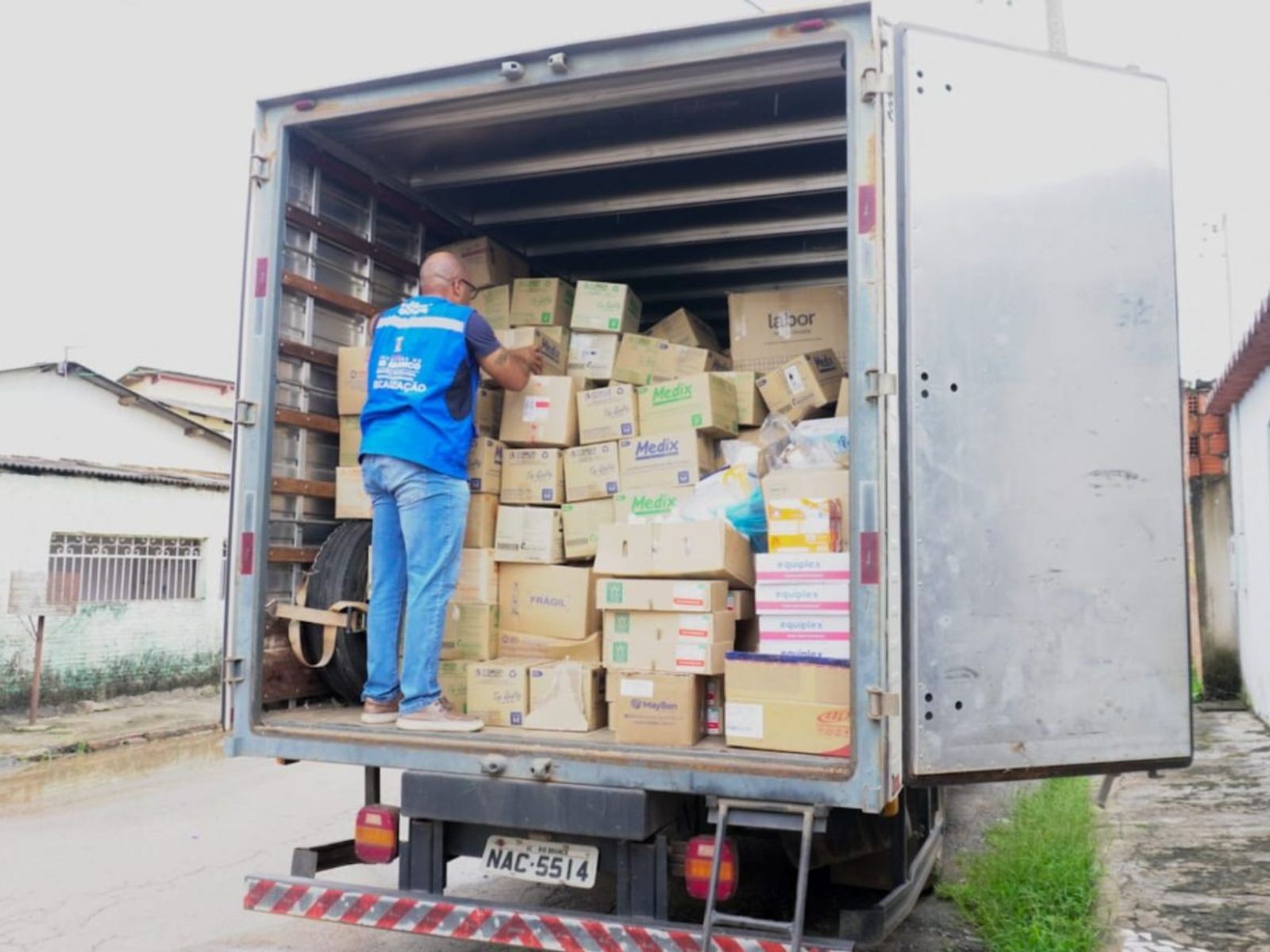
The Civil Police in Acre are in the final stages of investigating a scheme that diverted an estimated R$10 million in medicines and hospital supplies in Rio Branco. The investigation, which began six months ago, is awaiting the completion of forensic reports from seized mobile phones to indict suspects. Delegate Igor Brito stated that the phones of a 74-year-old man operating a clandestine pharmacy and a state employee were analyzed for messages and calls potentially linking them to clients purchasing the diverted supplies. The results of these reports will determine the next investigative steps. No arrests have been made as of the latest update, though the elderly man was arrested and released with an electronic ankle monitor. The investigation is also examining the potential involvement of public servants from the State Health Secretariat (Sesacre). The case is under judicial secrecy to avoid hindering the investigation, which is expected to conclude swiftly pending the forensic reports. Police discovered a clandestine storage facility in Rio Branco on January 14th, containing cancer and hemodialysis treatments, gauze, gloves, and other hospital materials. These supplies were allegedly diverted from the Governador Flaviano Melo Hospital Foundation (Fundhacre), the Emergency Care Unit (UPA), and the Emergency Room since 2023. The elderly suspect's wife was questioned, and the state employee's phone yielded evidence of the diversion. Recovered medications are currently held by the Civil Police and in a Sesacre vault, with plans for their restitution to the state. The investigation also encompassed a clinic owned by businessman and former state deputy Raimundinho da Saúde. The State Health Secretariat requested the operation after identifying indications of theft from health units, with the former secretary noting the diversion's impact on patients.
This investigation into a large-scale diversion of essential medical supplies highlights systemic vulnerabilities within public health procurement and distribution channels. The scheme's estimated R$10 million value suggests a significant disruption to patient care and a substantial financial loss for the state. The focus on identifying clients through digital forensics indicates a sophisticated attempt to trace the illicit supply chain beyond initial diversion points. Future efforts should prioritize robust inventory management systems, enhanced internal auditing protocols, and potentially blockchain technology for transparent tracking of medical assets from acquisition to patient delivery. Strengthening whistleblower protections and inter-agency cooperation could also deter similar criminal activities and ensure accountability across public and private sectors.
AI-generated to prompt reflection — not editorial opinion, not advice, not a statement of fact. How this works.