Acre Ranks Among Worst for Environmental Democracy in Legal Amazon, Study Finds
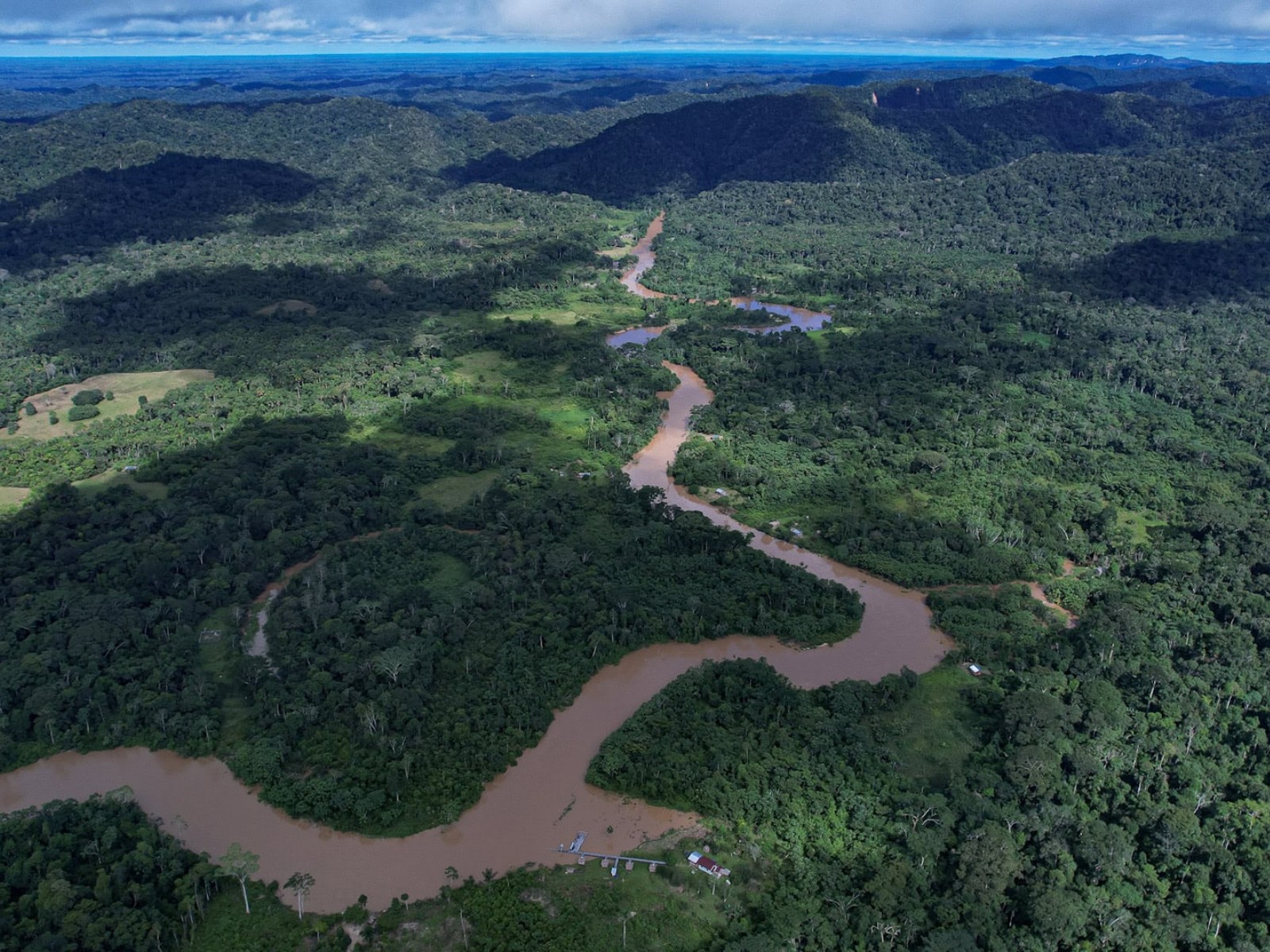
Acre continues to be among the states with the poorest performance in environmental democracy within the Legal Amazon, according to the Environmental Democracy Index (IDA). Released on Thursday, June 2nd, by the Instituto Centro de Vida (ICV) and Transparency International Brazil, the study shows Acre remaining in the "poor" performance category for the second consecutive year. Despite an improvement in its overall score from 26.5 to 35.5 points, the state still ranks among the five worst performers in the region. Specifically, in the indicator measuring the protection of environmental defenders, Acre's score increased from 2.5 to 2.9 points, placing it just ahead of Roraima, which scored 0.8 points. The IDA evaluated 120 indicators across the Union and nine Legal Amazon states, assessing transparency, information access, social participation, access to justice, and socio-environmental rights protection. Mato Grosso, Pará, Amazonas, and Maranhão were rated "regular," while Tocantins, Rondônia, Amapá, Acre, and Roraima fell into the "poor" category, with an average state score of 40.8 points. The study highlighted the protection of environmental defenders as the most critical aspect, with a regional average of only 15.1 points. Only Mato Grosso, Maranhão, and Pará have dedicated mechanisms for defender protection, while most states lack adequate structures to prevent risks, protect activists, and respond to violence against environmental defenders. The research recommends institutionalizing the environmental defender protection agenda, implementing public policies for threat prevention and activist protection, and approving international agreements like the Escazú Accord. It also suggests expanding protection programs, fostering social participation, and creating specialized structures within the judiciary and public security bodies. The low score in defender protection was also noted in the previous year's report, coinciding with controversy surrounding an operation by ICMBio in the Chico Mendes Extractive Reserve, which sparked protests and highlighted security concerns for environmental leaders like Raimundo Mendes de Barros.
This study reveals systemic challenges in environmental governance across the Legal Amazon, particularly concerning the protection of environmental defenders. The persistent low scores for states like Acre suggest that current institutional frameworks are insufficient to guarantee transparency, participation, and justice, especially for those on the front lines of environmental defense. The findings underscore a critical gap between stated environmental goals and the practical implementation of protective policies, indicating a need for stronger, more robust mechanisms at both state and federal levels. The recommendation to approve the Escazú Accord points to the potential of international cooperation and legal frameworks to bolster domestic efforts. Looking ahead, the increasing pressures on the Amazon, driven by economic development and climate change, will likely intensify the risks faced by environmental defenders, making effective protection and robust governance structures paramount for sustainable development and ecological integrity in the coming decade.
AI-generated to prompt reflection — not editorial opinion, not advice, not a statement of fact. How this works.