Acre Receives Over 900 Insulin Pens for Public Health System Diabetes Patients
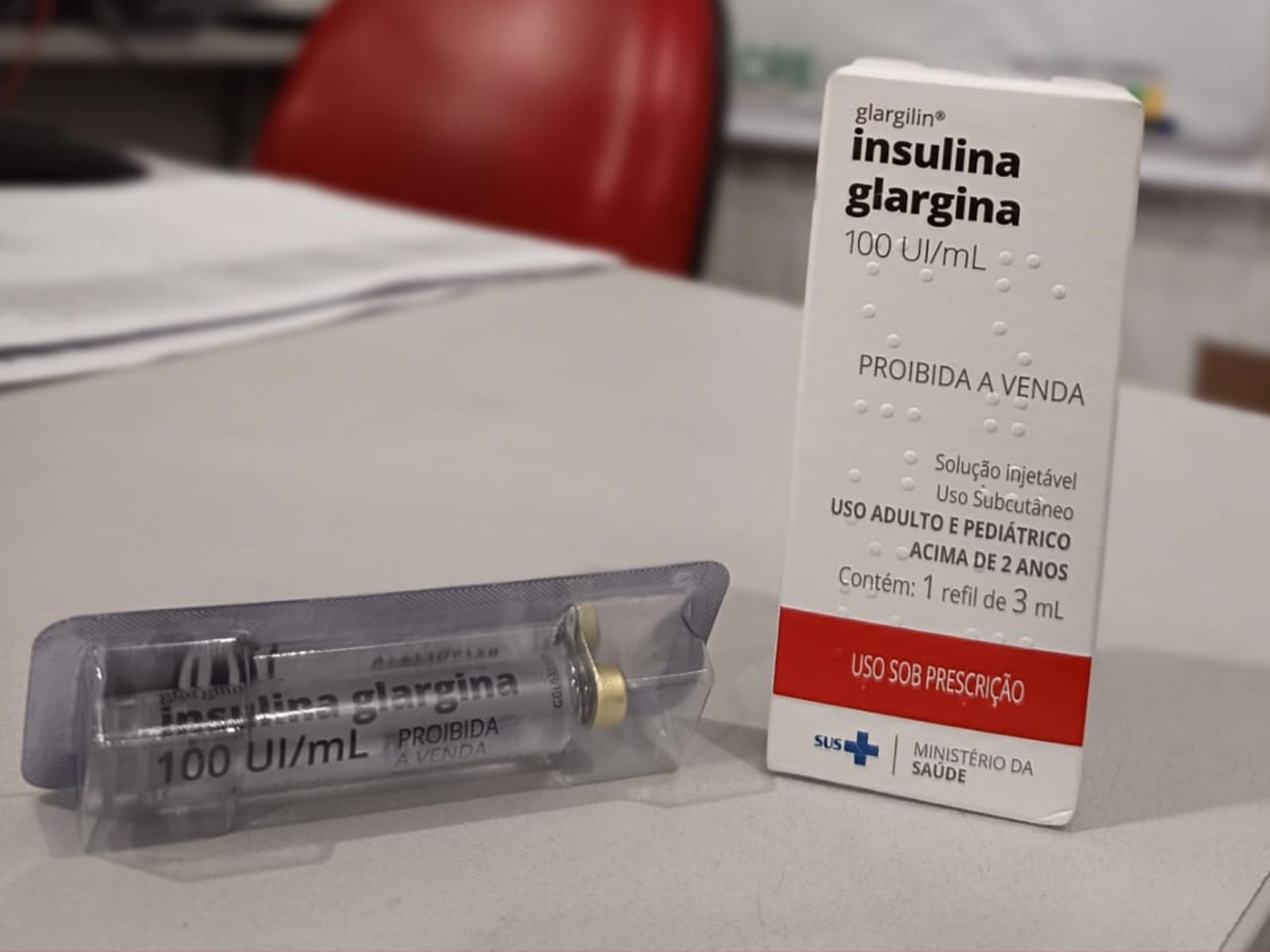
The state of Acre in Brazil has received a shipment of 913 pens of glargine insulin, along with 249 reusable application pens, for distribution through the Unified Health System (SUS). This initiative marks a gradual transition from NPH insulin to glargine insulin, a long-acting medication typically requiring only one daily application. Initially, the glargine insulin will be provided to individuals under 18 years old with type 1 diabetes and those aged 70 and above with either type 1 or type 2 diabetes. This national distribution effort, coordinated by the Ministry of Health, aims to broaden access to more modern diabetes treatments across Brazil, with approximately 383,000 units already being sent to various states. The Ministry anticipates that this change will lead to more stable blood glucose control, reduce the risk of hypoglycemia, and improve patient adherence to treatment by simplifying the application schedule. Patients will undergo clinical evaluation by a multidisciplinary team to determine eligibility for the switch, receive guidance on proper usage and storage, and be provided with the necessary reusable pens and needles. Glargine insulin offers a consistent insulin level without a pronounced peak, unlike NPH insulin, which has a shorter duration of action and a peak that increases the risk of nocturnal hypoglycemia and often necessitates twice-daily injections.
The Brazilian Ministry of Health's initiative to replace NPH insulin with glargine insulin within the SUS represents a strategic move towards modernizing diabetes care and improving patient outcomes. By adopting a long-acting analog, the program aims to enhance glycemic control and reduce treatment complexity, potentially leading to greater patient adherence and fewer complications. This shift also aligns with national efforts to bolster domestic pharmaceutical production and ensure supply chain security for essential medicines. The phased rollout, contingent on clinical assessment, ensures that the transition is medically appropriate for the target patient groups, mitigating risks associated with rapid medication changes. Looking ahead, the success of this program will depend on sustained funding, effective public health communication, and ongoing monitoring of its impact on patient health and healthcare system efficiency.
AI-generated to prompt reflection — not editorial opinion, not advice, not a statement of fact. How this works.