Acre River Nears Historic Low Amid Severe Drought in Acre State
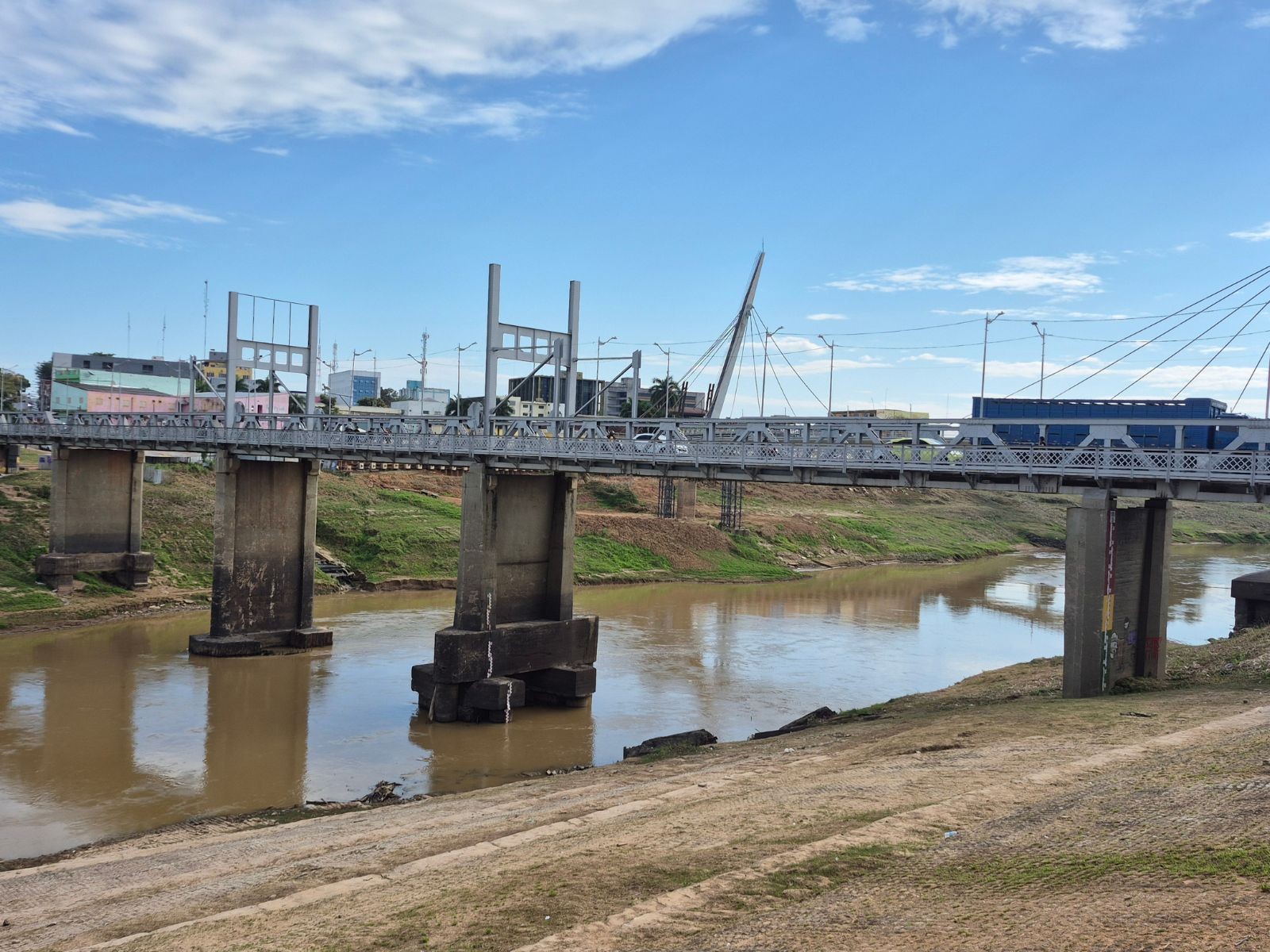
The Acre River in Rio Branco, the capital of Brazil's Acre state, has reached its lowest point of the year at 2.06 meters as of August 3rd, following a significant drop of 40 centimeters in July. This current level is only 81 centimeters above the all-time historical low of 1.25 meters, recorded in September 2024. The river's water level experienced fluctuations throughout July, with a brief rise mid-month before resuming its downward trend. The severe drought, exacerbated by unusually low rainfall, has prompted the state government to declare a state of emergency across Acre. Only 10.4 millimeters of rain were recorded in July, a mere 35.3% of the historical average, with no rainfall registered in Rio Branco for the first 25 days of the month. Governor Mailza Assis signed the emergency decree, allowing for exceptional measures to mitigate the drought's impacts. These impacts include disruptions to water supply, river navigation, and an increased risk of wildfires. The State Coordination of Civil Protection and Defense (CEPDC) will lead the emergency response efforts, which involve providing water via tanker trucks to affected communities, assessing losses, and securing humanitarian aid for food assistance. The emergency declaration aims to address the critical water shortages and related risks posed by the extreme dry conditions.
The severe drought impacting the Acre River and the state of Acre highlights the vulnerability of Amazonian regions to climate variability and the critical need for robust water resource management strategies. The declaration of a state of emergency underscores the immediate challenges to public services like water supply and navigation, as well as increased wildfire risks. Looking ahead, such events necessitate a re-evaluation of infrastructure resilience and adaptive governance frameworks to better anticipate and respond to extreme weather patterns. Future planning must consider the potential for more frequent and intense droughts, driven by broader climate shifts, and their cascading effects on ecosystems and human populations. Investing in diversified water sources, efficient water use technologies, and early warning systems will be crucial for mitigating future crises and ensuring sustainable development in the region.
AI-generated to prompt reflection — not editorial opinion, not advice, not a statement of fact. How this works.
