Acre River Oil Spill: Official Report Finds No Contamination, Expert Warns of Hidden Risks
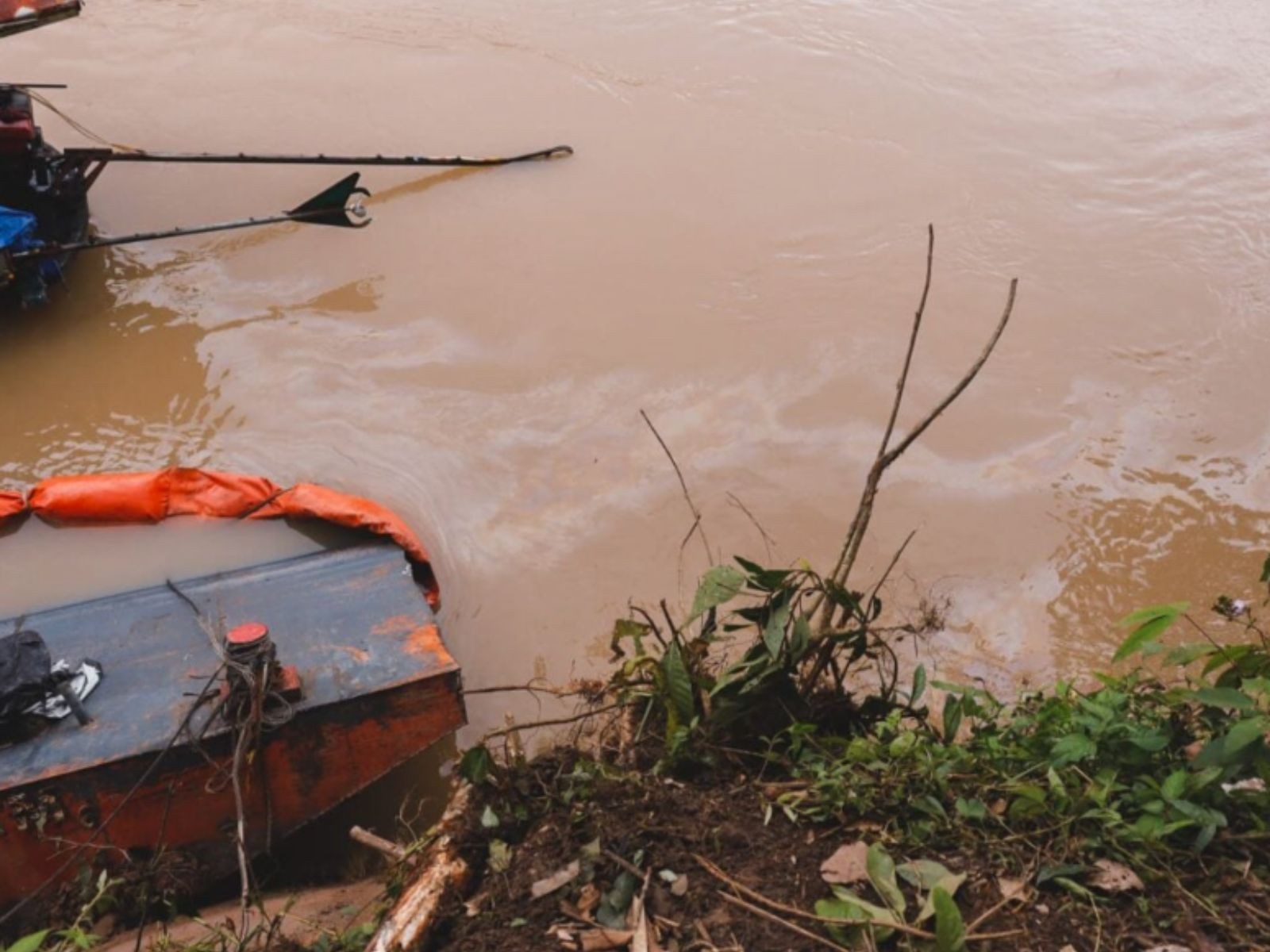
An official report from the Acre State Secretariat of Environment (Sema) has concluded that water samples collected after a 15,000-liter oil spill in the Tarauacá River did not show contamination. The spill occurred on April 24th in Jordão municipality following the sinking of a barge owned by Transportadora RI Ltda. Sema stated that all analyzed parameters were within normal limits, indicating the water is safe for use. The company was fined R$3 million, with the right to appeal. The report, which included laboratory results for various oil-related compounds and heavy metals like lead, found no concentrations indicative of contamination. Elevated turbidity was attributed to the rainy Amazonian season rather than the oil. Physical and chemical parameters, including dissolved oxygen and biochemical oxygen demand, also remained within expected ranges. Despite the official findings, Professor Rodrigo Peréa from the Federal University of Acre warns that a negative lab report does not negate the environmental disaster. He explains that the rapid flow of Amazonian rivers can quickly disperse and dilute fuel, making it difficult to detect days after an incident. Peréa emphasizes that the primary impacts may not be in the water column but on the river's surface and in the sediments, affecting aquatic life, vegetation, and local communities' food security. He further notes that oil can accumulate in slow-moving areas and riverbed sediment, posing a long-term, silent contamination risk through the food chain, particularly for bottom-feeding fish. Consuming fish from potentially contaminated sediments is a significant health risk, and boiling or filtering water is insufficient; alternative water sources are necessary.
An official environmental assessment has determined that water quality in the Tarauacá River meets safety standards following a significant oil spill, attributing any observed turbidity to natural seasonal conditions. This finding contrasts with expert warnings highlighting the limitations of water column sampling in dynamic river systems, suggesting that residual contamination may persist in sediments and on surfaces, posing long-term ecological and public health risks. The discrepancy underscores a systemic challenge in environmental monitoring: balancing rapid assessment needs with the complex, often delayed, impacts of pollutants in diverse ecosystems. Future strategies may require more integrated approaches, combining immediate water quality testing with long-term sediment analysis and biomonitoring to fully capture the lifecycle of contaminants and their effects on food webs and dependent communities.
AI-generated to prompt reflection — not editorial opinion, not advice, not a statement of fact. How this works.