Acre's Brasileia Celebrates 116 Years with Carnavale, Sports, and Civic Events
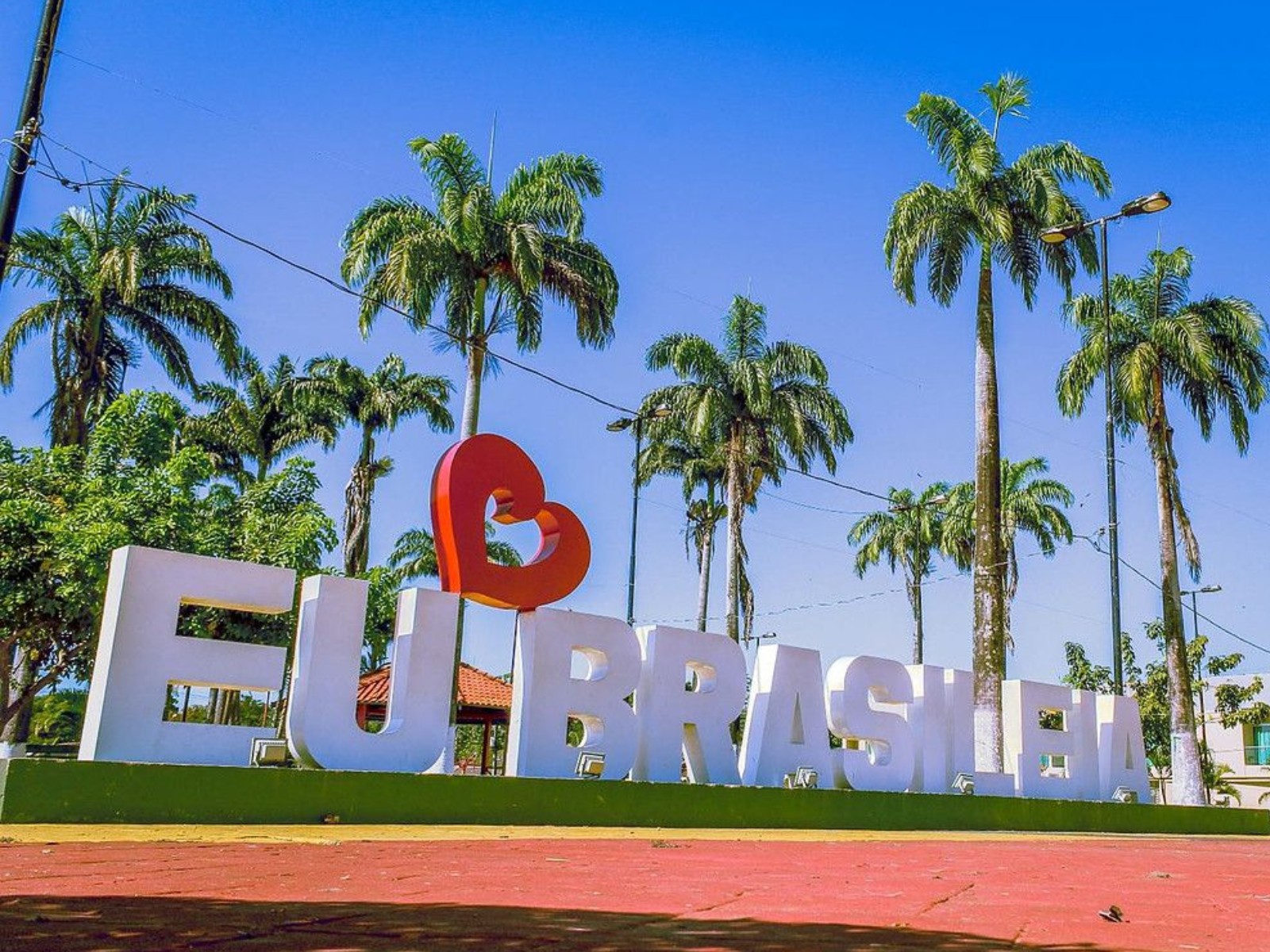
Brasileia, a municipality in the state of Acre, Brazil, is commemorating its 116th anniversary of political emancipation on Friday, July 3rd. The festivities, which began on Sunday, June 28th, will extend until Monday, July 13th, featuring a diverse program of sports activities, civic ceremonies, inaugurations, and cultural events. The highlight of the celebration is the 30th edition of Carnavale, the city's traditional off-season carnival, taking place from July 3rd to July 5th at Praça Hugo Poli in the city center. This year's Carnavale is expected to attract approximately 30,000 revelers, including residents from the border region, visitors from other Acrean cities, and tourists from Bolivia and Peru. National attractions confirmed for the event include the band Parangolé performing on July 4th and singer Koyote on July 5th. The official program commenced with a flag-raising ceremony in front of the city hall on Wednesday, July 1st, and has already included the signing of service orders for 13 housing units and an interinstitutional tournament. Safety measures for Carnavale will involve private security, military and civil police, and emergency medical and fire services. Attendees are permitted to bring coolers up to 50 liters, but glass bottles are prohibited. Founded on July 3, 1910, Brasileia's history is closely tied to its border location with Bolivia, influencing its culture and identity. The city's name was changed from Brasília in 1943 to avoid confusion with a town in Minas Gerais, long before Brazil's federal capital was established.
The extensive celebrations in Brasileia underscore the importance of civic identity and local economic drivers, such as tourism and cultural events, for municipalities. The organization of a significant off-season carnival, drawing regional and international attendees, highlights a strategic approach to leveraging cultural traditions for community engagement and economic activity. The inclusion of infrastructure development projects, like housing units and street improvements, alongside celebratory events, suggests a governance model that balances immediate public appeal with long-term development goals. The emphasis on security and regulated access for the Carnavale event reflects standard public safety protocols for large gatherings, aiming to mitigate risks while facilitating participation. Looking ahead, the integration of such events into urban planning could offer a replicable model for other border communities seeking to enhance their economic and social resilience through cultural and civic mobilization.
AI-generated to prompt reflection — not editorial opinion, not advice, not a statement of fact. How this works.