Acre's Cattle Slaughter Rises 5.7% in H1 2026, Exceeding 338,000 Head
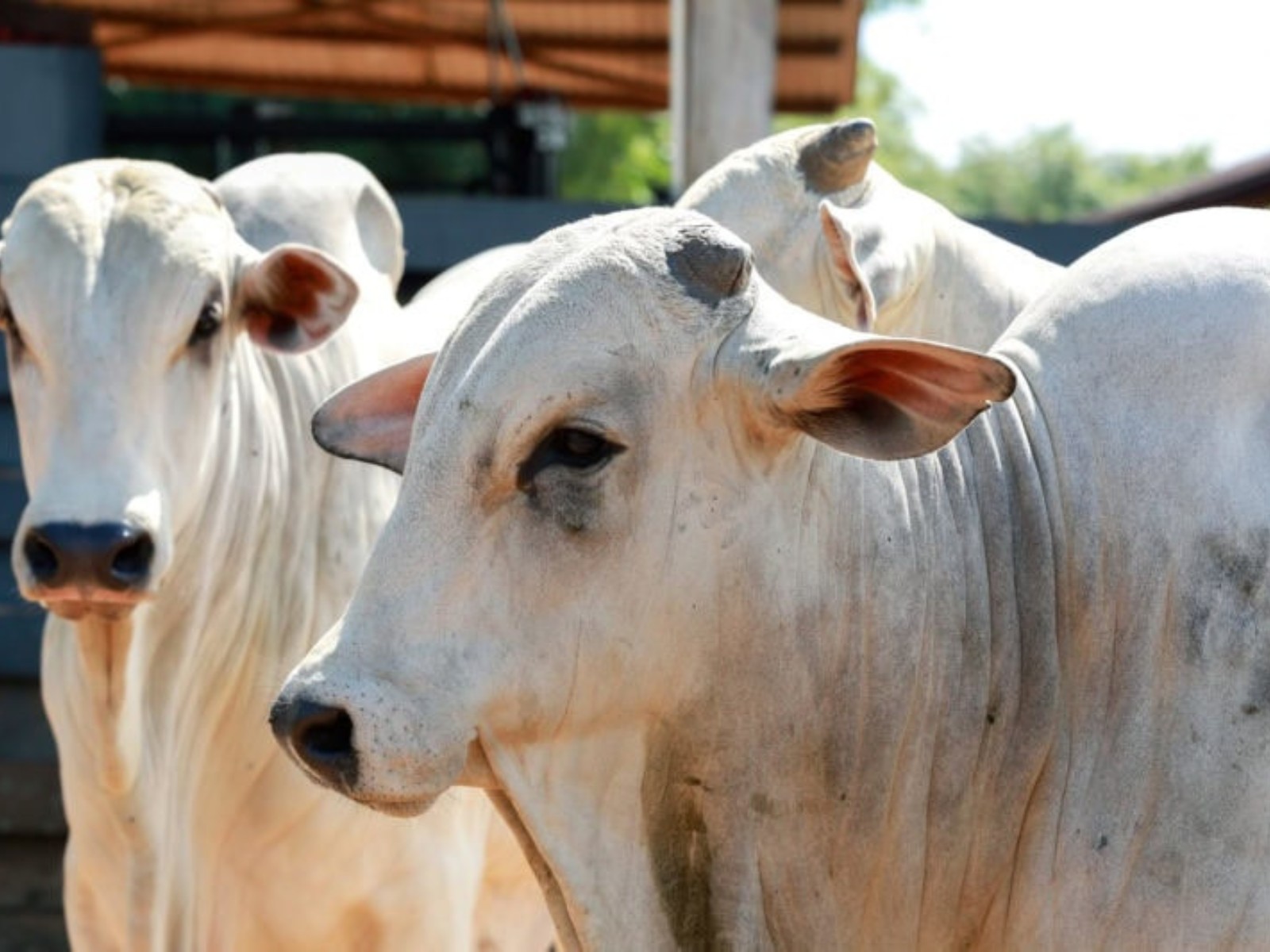
The state of Acre, Brazil, processed over 338,000 cattle in the first half of 2026, marking a 5.7% increase compared to the same period in the previous year. This data, released in June by the Federation of Agriculture and Livestock of Acre (Faeac) based on information from the Institute of Agricultural and Forest Defense of Acre (Idaf), shows 338,099 cattle slaughtered between January and June 2026, up from 319,960 in the first half of 2025. June alone saw 54,783 cattle processed, an increase of 1.8% from May's 53,814. Notably, females constituted the majority of cattle slaughtered in June, accounting for 57.5% of the total, compared to 42.5% for males. The majority of slaughtered animals were over 36 months old (54.8%), followed by those aged 25 to 36 months (38.4%).
Beyond domestic slaughter, Acre also experienced a 10.2% rise in live cattle leaving the state for other Brazilian federative units during the first half of 2026, with 191,712 head departing compared to 173,992 in the prior year. June recorded 27,771 live cattle exports, a 22.5% decrease from May. The total "utilization" of cattle, combining slaughter and live exports, reached 529,821 head by June, representing 10.23% of the state's cattle stock at the beginning of the year. Furthermore, Acre's beef exports surged significantly in the first half of 2026, with 3,155.66 tons exported, generating US$ 16.1 million. This represents a 34.8% increase in volume and a 56.3% increase in value compared to the first half of 2025, when 2,340.08 tons were exported for US$ 10.3 million.
The reported increase in cattle slaughter and live cattle exports from Acre suggests a growing beef production and trade sector within the state. The data indicates a significant rise in beef export value, outpacing volume growth, which could reflect favorable international market conditions or a shift towards higher-value cuts. The demographic breakdown of slaughtered cattle, with a majority being older females, may warrant further examination regarding herd management and replacement strategies. Understanding the drivers behind the substantial increase in live cattle exports to other states is also crucial for assessing regional supply chain dynamics and potential impacts on local processing capacity. Future trends will likely be influenced by global demand, domestic policy, and sustainable land-use practices within the Amazon region.
AI-generated to prompt reflection — not editorial opinion, not advice, not a statement of fact. How this works.