Acre's "CNH Social" Program Sees Low Enrollment for Domestic Violence Victims
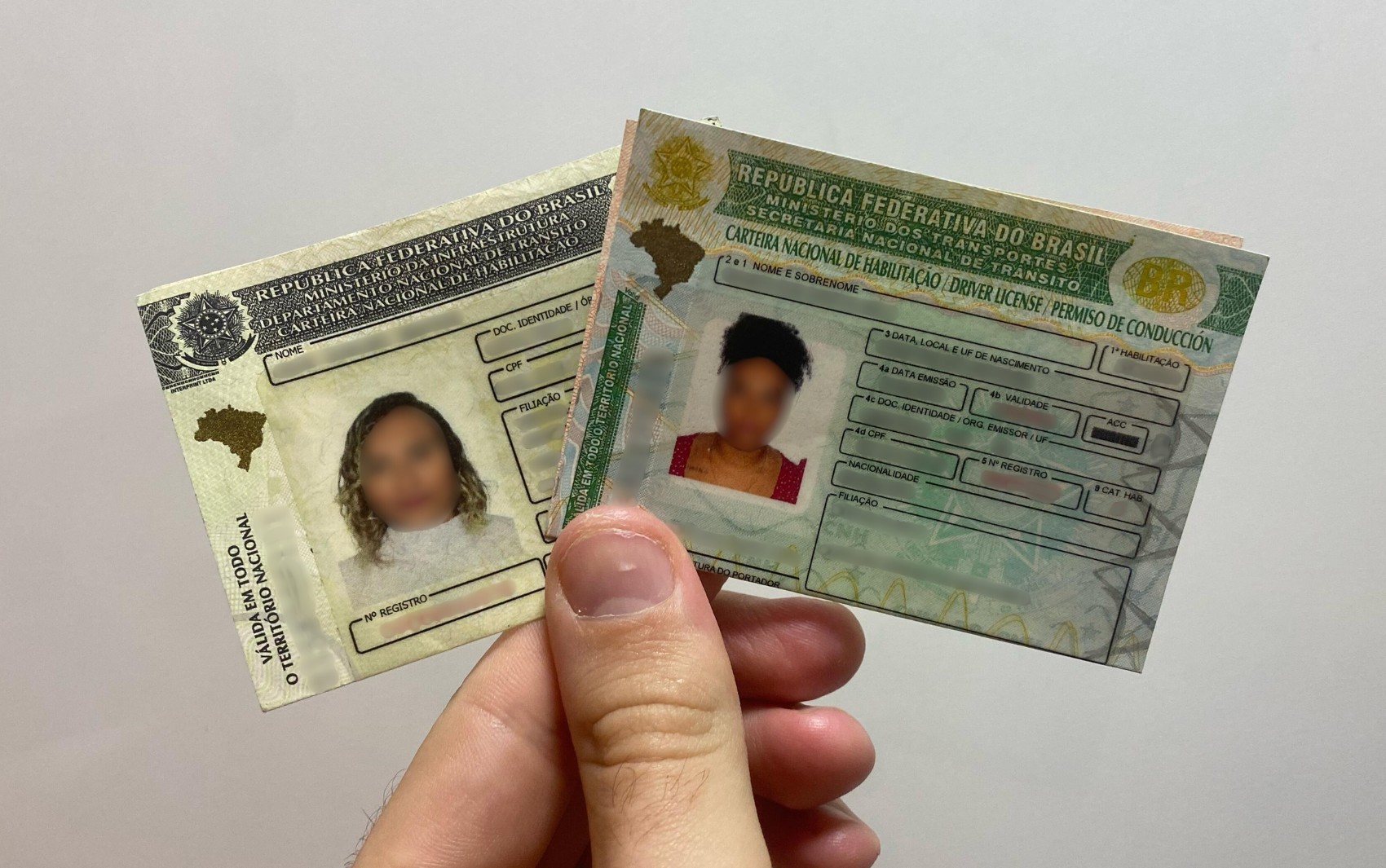
The "CNH Social" program in Acre, Brazil, aimed at providing driver's licenses to victims of domestic and family violence, concluded its extended registration period on June 30th with only 49 women enrolled. This figure represents just 19.6% of the 250 spots specifically reserved for this vulnerable group. The program, managed by the State Secretariat for Women (Semulher) and the State Department of Traffic (Detran-AC), experienced multiple extensions to encourage participation. Initially set to end on May 12th, the deadline was pushed first to June 11th and then to June 30th. By June 11th, only 28 women had registered, but the final extension saw an additional 21 sign-ups. Detran-AC explained that the program's goal was to offer mobility and independence, thereby enabling women to escape violent relationships. These reserved spots constituted 5% of the total 5,000+ available in the CNH Social program, which has benefited 17,000 people in Acre since its inception in 2022. Candidate validation involved checking CadÚnico and Civil Police records. Acre is reportedly the third Brazilian state to implement such a measure for women. The low enrollment occurs against a backdrop of rising femicide rates in Acre, which recorded 14 femicides in 2025, marking a 75% increase from the previous year and reaching historical highs not seen since 2016 and 2018. This rate is the highest proportionally in Brazil, with 1.58 cases per 100,000 inhabitants.
The "CNH Social" program's low enrollment among domestic violence victims in Acre highlights a critical gap between policy intent and on-the-ground impact. While the initiative's goal of enhancing mobility and independence for vulnerable women is commendable, the low uptake suggests potential barriers beyond simple awareness or extended deadlines. These could include trust issues with state institutions, practical difficulties in accessing registration, or the overwhelming nature of escaping violent situations that overshadows long-term planning. The stark contrast with Acre's alarming femicide rates underscores the urgent need for more effective, integrated support systems. Future iterations of such programs might benefit from deeper community engagement, partnerships with NGOs already working with victims, and a more holistic approach that addresses immediate safety concerns alongside empowerment initiatives. Understanding the systemic factors contributing to both the femicide crisis and the underutilization of support services will be crucial for developing sustainable solutions in the coming decade.
AI-generated to prompt reflection — not editorial opinion, not advice, not a statement of fact. How this works.