Acre's Coffee Sector Discusses Innovation, Market Access, and Challenges
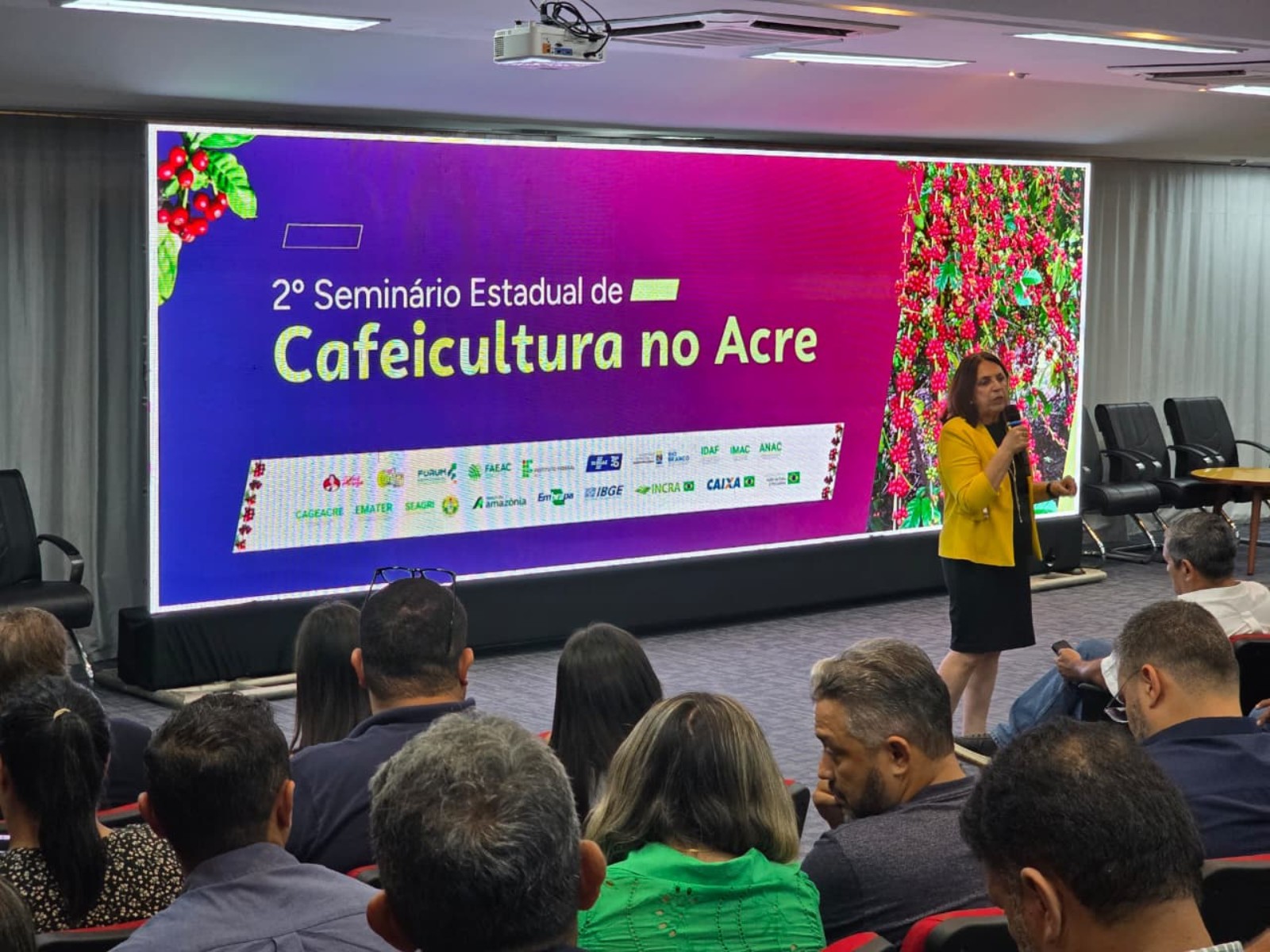
The 2nd State Seminar on Coffee Cultivation, held in Rio Branco on Wednesday, October 22nd, brought together producers, specialists, and students to discuss the expansion and strengthening of the coffee production chain in Acre. Key topics included crop management, cooperativism, market access, export strategies, rural credit, and technological innovation within the growing agribusiness sector. According to CONAB, Brazil's national coffee harvest is projected to exceed 66 million bags by 2026, potentially setting a new record. Acre's coffee production is also expanding, with an estimated increase from 6,632 thousand tons in 2025 to 6,969 thousand tons in 2026. This growth is largely driven by smallholder farmers, as 83% of coffee growers in Acre operate on properties under 20 hectares, highlighting the significance of coffee for family agriculture. The seminar aimed to impart knowledge to strengthen the local coffee sector, covering market perspectives and export opportunities. Technological advancements, such as coffee cloning for improved productivity and disease resistance, were also presented. Other important discussions included environmental licensing, access to rural credit, commercialization, and pesticide-free cultivation methods. Investing in quality coffee production was emphasized as a way to benefit producers through recognition and consumers by providing transparency about the coffee's origin and production methods, thereby strengthening the entire value chain.
The 2nd State Seminar on Coffee Cultivation in Acre underscores a strategic focus on enhancing the region's agricultural output through knowledge transfer and technological adoption. By convening diverse stakeholders, the event aims to address systemic challenges from production to market access, particularly for smallholder farmers who form the backbone of Acre's coffee industry. The emphasis on innovation, sustainable practices, and value chain strengthening reflects a forward-looking approach to economic development. Future success will likely depend on the effective implementation of discussed strategies, ensuring that technological advancements are accessible and beneficial to small producers, thereby fostering resilient and competitive agricultural systems in the face of evolving market demands and climate realities.
AI-generated to prompt reflection — not editorial opinion, not advice, not a statement of fact. How this works.