Acre's MDB Party Splits, Backing Different Gubernatorial Candidates Post-Flaviano Melo
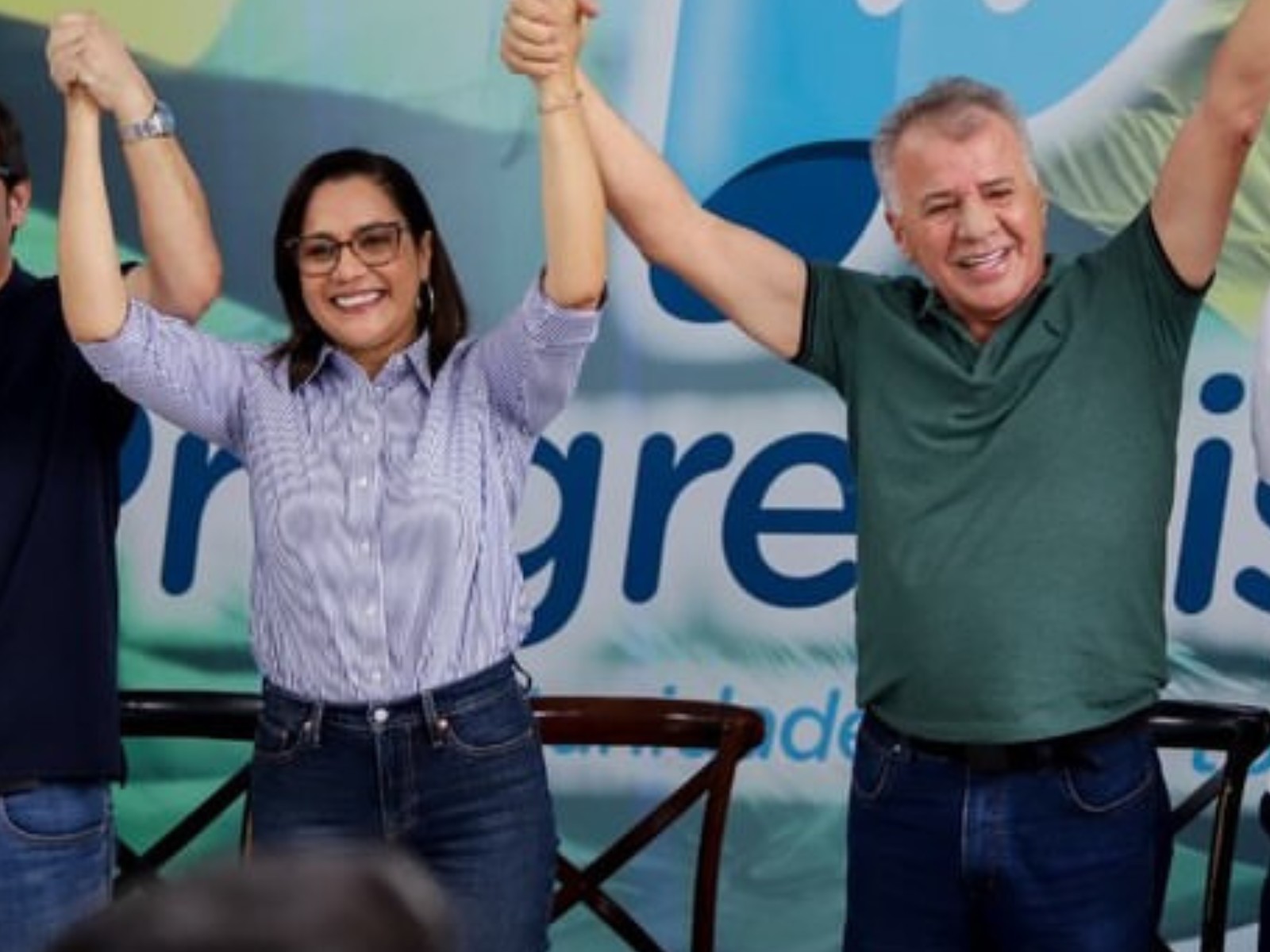
Following the death of long-time leader Flaviano Melo in November 2024, the Brazilian Democratic Movement (MDB) party in Acre is experiencing internal divisions as it seeks to redefine its political direction. This fragmentation is evident in the upcoming gubernatorial elections, with different factions backing opposing candidates. Mirabor Leite, the MDB president in Tarauacá, has publicly endorsed Tião Bocalom (PSDB), the former mayor of Rio Branco, citing personal admiration and shared public service philosophies. In contrast, the state MDB president, Vagner Sales, officially announced an alliance with the current governor, Mailza Assis (PP). As part of this agreement, Vagner Sales' daughter, federal deputy Jéssica Sales, has been designated as Mailza Assis's running mate for vice-governor. Jéssica Sales has not yet commented on this nomination, and she was notably absent from the official announcement, represented instead by her father. This strategic alliance marks Mailza Assis's campaign as the first to officially confirm a vice-gubernatorial candidate. The MDB's current fractured stance differs significantly from the 2022 elections, when the party fielded its own gubernatorial candidate, Mara Rocha, who secured third place with just over 11% of the vote. The party aims to be a pivotal force in the current political landscape, navigating these internal decisions and broader alliances. Meanwhile, political dissent is also surfacing within other parties, such as the Progressistas (PP). Zequinha Lima, the mayor of Cruzeiro do Sul, has defied his own party by supporting Senator Alan Rick (Republicanos) for governor, despite Governor Mailza Assis also being a member of the PP. Rick also has the backing of Gerlen Diniz, the mayor of Sena Madureira, another PP member who has previously clashed with the state government over political activities.
The internal divisions within Acre's MDB party following the death of Flaviano Melo highlight the challenges of leadership transitions and ideological cohesion in regional politics. The divergence in endorsements – with local leadership backing one candidate while state leadership forms an alliance with another – suggests a struggle for party control and a potential reevaluation of strategic partnerships. This fragmentation could weaken the MDB's influence in the upcoming gubernatorial race, potentially benefiting rival parties by splitting the MDB's traditional voter base. The situation also underscores the dynamic nature of political alliances, where personal relationships and perceived electoral viability can override party loyalty, creating opportunities for unexpected coalitions and electoral outcomes in the coming decade.
AI-generated to prompt reflection — not editorial opinion, not advice, not a statement of fact. How this works.