Acre's Road Department Sees Third President in Months Amidst Investigations
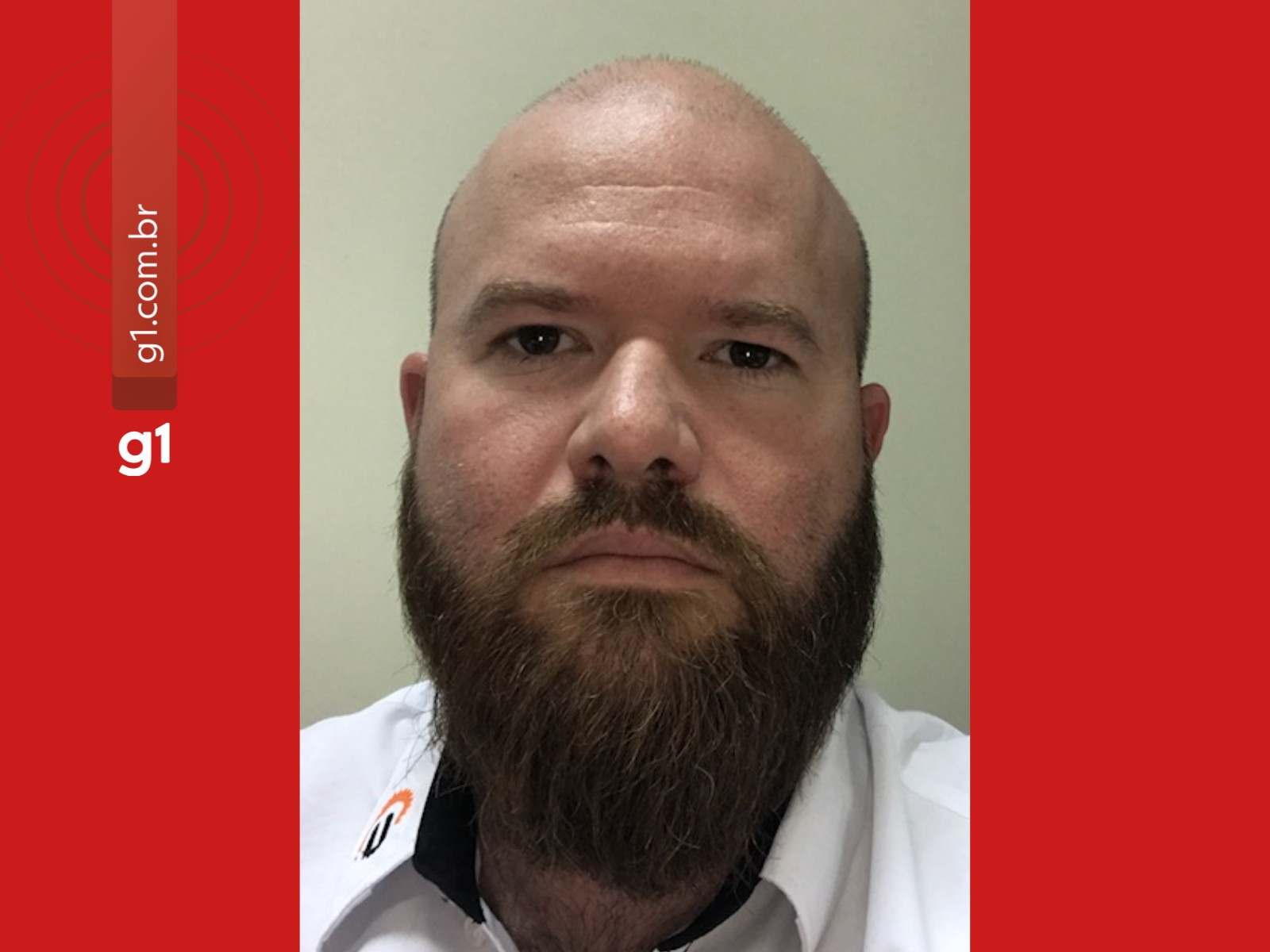
The state of Acre, Brazil, has appointed its third president for the Department of Roads, Waterways, and Airports (Deracre) in less than a week. Civil engineer Gilberto Lucas de Oliveira was named the new head on Thursday, June 9th, by Governor Mailza Assis. This appointment follows the brief interim presidency of Sócrates Guimarães, who was designated to lead Deracre just under a week prior. Guimarães has since been reassigned to a special commission role within the executive branch. Oliveira, a graduate of the Federal University of Acre with a specialization in environmental sanitation engineering, brings experience in managing, planning, and executing construction projects. His appointment comes shortly after the previous president, Sula Ximenes, resigned for the second time this year. Ximenes had returned to the role on May 26th after a brief departure in April to pursue a state representative candidacy. Her second resignation, however, included criticisms of the state government's management. The frequent leadership changes at Deracre are occurring amidst significant scrutiny, particularly following the collapse of the Frei Paolino Baldassari Bridge in Sena Madureira in early June. This incident, which injured four people, is currently under investigation by the Civil Police and the Public Ministry of Acre. The bridge's collapse has intensified focus on Deracre's operations and infrastructure projects.
The rapid succession of leadership at Acre's Department of Roads, Waterways, and Airports (Deracre) suggests potential systemic issues within the organization or its oversight. Frequent changes in presidential appointments, especially when coupled with expressed criticisms from departing officials, can erode institutional stability and public trust. The timing of these changes, coinciding with investigations into a significant infrastructure failure like the bridge collapse, raises questions about accountability and the effectiveness of governance structures. Future leadership will need to navigate not only operational demands but also the imperative to restore confidence through transparent processes and demonstrable improvements in project management and safety protocols, particularly in light of the state's development needs and the increasing scrutiny of public works projects in the digital age.
AI-generated to prompt reflection — not editorial opinion, not advice, not a statement of fact. How this works.