Acre's World Cup Viewing Evolves: From Radio Days to Modern Screens
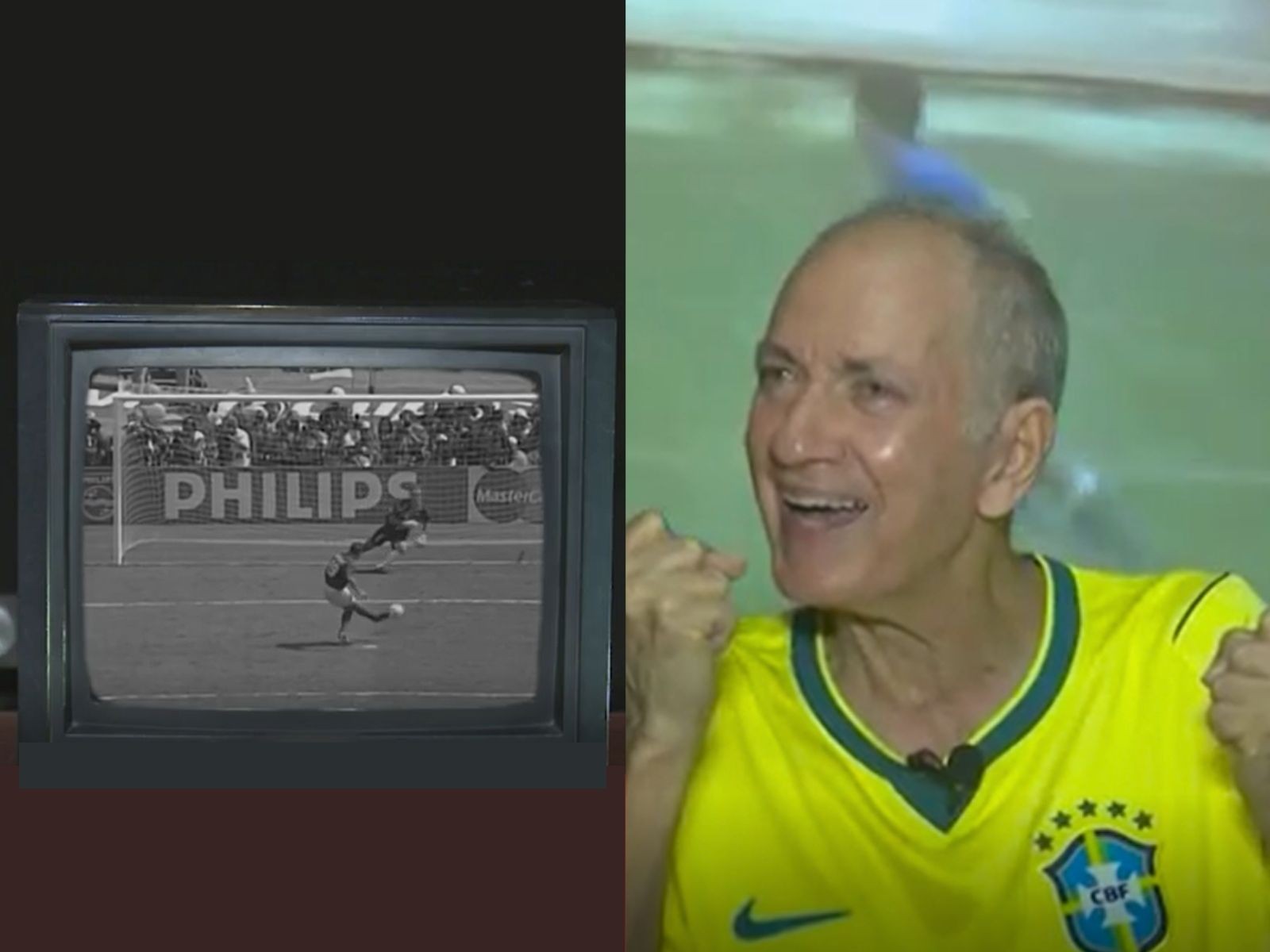
Historian Adalberto Queiroz, 73, reminisces about how football fans in Acre, Brazil, experienced the World Cup 52 years ago. In 1974, before television became widespread in the state, the excitement of the tournament was primarily captured through radio broadcasts. Queiroz recalls that when Brazil lost, it brought widespread sadness, highlighting the deep emotional connection fans had with the game. The arrival of television in Acre marked a significant generational moment, with hundreds gathering in public spaces, like in front of the Palácio Rio Branco, to witness the first televised matches. These initial broadcasts, during the 1974 World Cup in Germany, were not live; instead, recorded images were flown from Manaus to Rio Branco and shown the following day by the then-TV Acre, now Rede Amazônica. This delayed viewing was many Acreans' first encounter with television, with people bringing chairs and sitting on the ground to watch a 22-inch screen, turning it into a major event. Abrahim Baze, a historian and journalist who worked at TV Acre, described the logistical challenges, involving the transport of approximately 3,500 videotapes via airplane across the Amazon, often relying on unsuspecting passengers. The situation improved in 1978 with the installation of a satellite dish in Rio Branco, enabling live, color broadcasts. However, color televisions were a luxury, so many people watched through open doors and windows. Today, five decades later, technology allows World Cup matches to be viewed on various devices like smartphones, tablets, and computers, a stark contrast to the difficulties faced by previous generations. Despite the technological advancements, the passion for the Brazilian national team and the memories of iconic moments, like Pelé's dribbles, remain vivid.
The evolution of World Cup viewing in Acre over 52 years, from radio to delayed black-and-white television, and finally to ubiquitous mobile streaming, illustrates a profound technological and societal transformation. This shift reflects broader global trends in media consumption, driven by advancements in broadcasting, satellite technology, and digital infrastructure. While modern accessibility offers unparalleled convenience, the communal experience of gathering in public spaces for shared, albeit delayed, broadcasts highlights a different form of social connection and anticipation. The narrative underscores how technological progress, while enhancing individual access and immediacy, can alter the collective nature of experiencing major cultural events. Future developments may further integrate immersive technologies, potentially creating new forms of communal engagement or further individualizing the viewing experience.
AI-generated to prompt reflection — not editorial opinion, not advice, not a statement of fact. How this works.