Acre Sees 0% Flu Vaccination Rate for New Mothers in 10 Municipalities
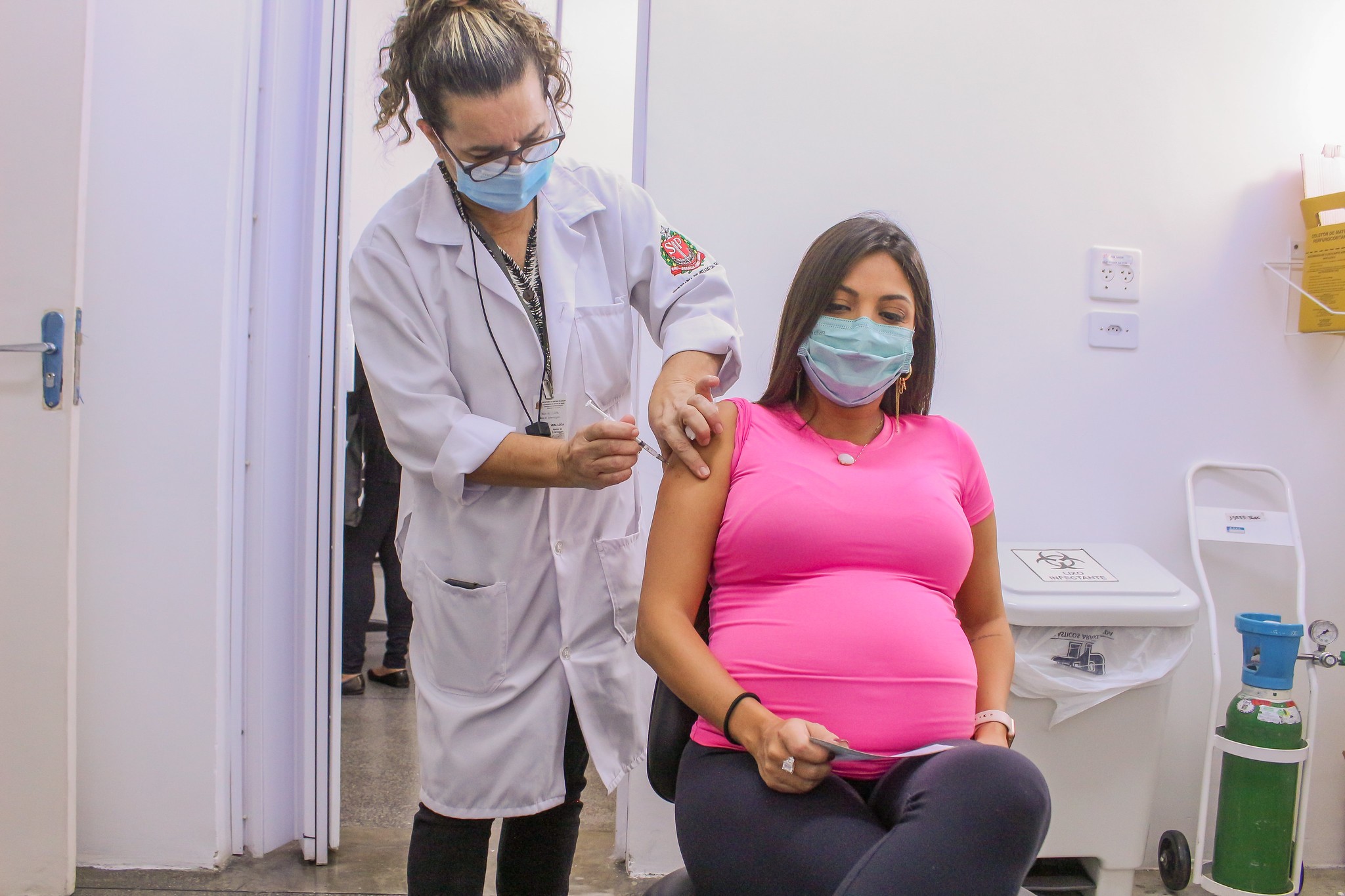
In Acre, Brazil, ten out of twenty-two municipalities, including the capital Rio Branco, reported a 0% vaccination coverage rate against influenza for postpartum women (puérperas) during epidemiological weeks 1 through 23 of 2026. This alarming data comes amidst a rise in respiratory syndrome cases in the state. Puérperas are considered a priority group for vaccination, and their low immunization rate is a significant concern for health experts, particularly in Rio Branco, which has the highest number of reported cases. Other municipalities with zero reported vaccinations for this group include Assis Brasil, Brasiléia, Epitaciolândia, Acrelândia, Bujari, Capixaba, Jordão, Santa Rosa do Purus, and Mâncio Lima.
Renata Quilles, coordinator of the National Immunization Program (PNI) in Acre, suggested that the vaccination data for puérperas might be underreported. She explained that women often do not identify themselves as postpartum when seeking healthcare, and vaccination opportunities may be missed during routine check-ups or when accompanying infants for their own vaccinations. Quilles also highlighted the generally low vaccination coverage across other priority groups in Acre, with rates around 45% compared to the Ministry of Health's target of 90% for children, the elderly, and pregnant women. The state declared a state of emergency on June 3rd due to an increase in respiratory illnesses, with 37 deaths reported by the end of May and over 1,300 notifications of severe acute respiratory syndrome (SRAG) in five months. Children aged 2-4 years and individuals over 60 are the most affected groups, with Rio Branco being the epicenter of notifications.
The reported zero influenza vaccination rates among postpartum women in ten Acre municipalities, alongside generally low coverage for other priority groups, highlights systemic challenges in Brazil's public health outreach and data reporting. While the coordinator suggests underreporting due to registration issues, the stark figures indicate potential gaps in vaccine accessibility or public trust, especially concerning a vulnerable demographic during a period of increased respiratory illness. The state's emergency declaration underscores the public health crisis, but the low vaccination uptake suggests a need to re-evaluate communication strategies and on-the-ground implementation to ensure priority groups are effectively reached. Looking ahead, the integration of AI in predictive health analytics could help identify at-risk populations and optimize vaccine distribution, while addressing potential data integrity issues will be crucial for effective public health policy in the coming decade.
AI-generated to prompt reflection — not editorial opinion, not advice, not a statement of fact. How this works.