Acre sees 43% drop in fire outbreaks in first half of 2026, says INPE
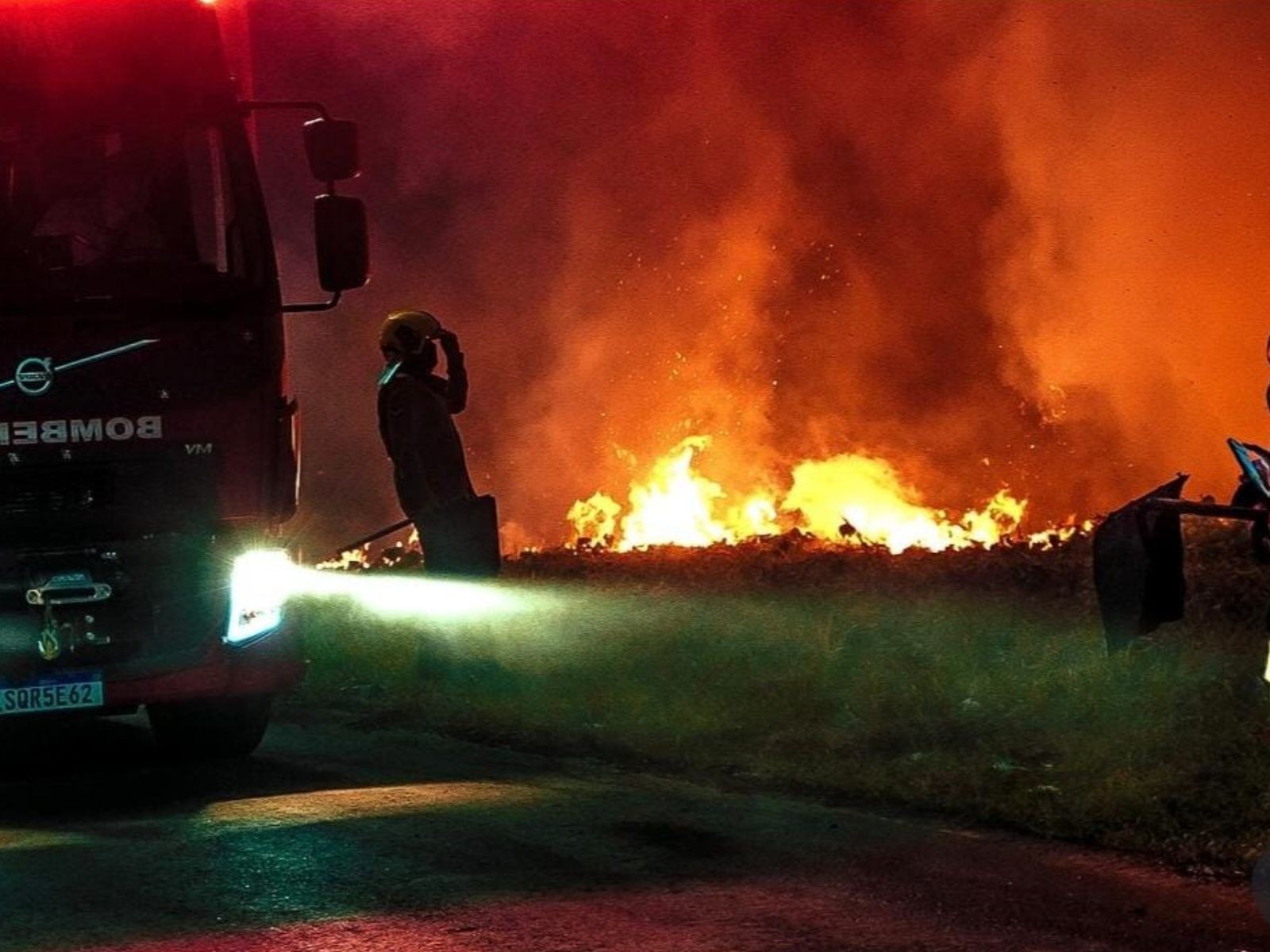
The Brazilian state of Acre recorded 41 fire outbreaks between January 1 and June 30, 2026, according to data from the National Institute for Space Research (INPE). This figure represents a significant 43% decrease compared to the same period in 2025, when 72 outbreaks were registered. However, with the onset of the Amazonian dry season, an increase is anticipated. In the first 10 days of July alone, an additional 23 outbreaks were recorded, bringing the total to 64 by Friday, July 10.
Feijó municipality reported the highest number of outbreaks in the first semester with 11 incidents, accounting for 26.8% of the state's total. Cruzeiro do Sul and Tarauacá followed with five outbreaks each (12.2%), and Rodrigues Alves had four (9.8%). The capital, Rio Branco, and Santa Rosa do Purus each registered three outbreaks (7.3%). Conversely, Epitaciolândia, Mâncio Lima, and Porto Walter recorded the lowest numbers with two outbreaks each (4.9%), while Acrelândia, Assis Brasil, Jordão, and Sena Madureira each had one outbreak (2.4%).
Despite the lower overall state figures, Rio Branco's Civil Defense reported 80 fire outbreaks in the capital by July 10, a 45.5% reduction from the 147 outbreaks recorded in the same period last year. Experts warn that the El Niño phenomenon could exacerbate fire risks due to hotter temperatures and drought conditions, with predictions suggesting this year's El Niño may be stronger than usual. A contingency plan involving preventive measures and integrated firefighting efforts is already in place.
The reported decrease in fire outbreaks in Acre during the first half of 2026, as indicated by INPE data, suggests a potential positive outcome from environmental monitoring and possibly related public policy interventions. However, the data also highlights the cyclical nature of these events, with an expected rise during the dry season and potential amplification due to climate phenomena like El Niño. This underscores the ongoing challenge of balancing agricultural and land-use practices with environmental preservation in the Amazon. Future strategies may need to focus on enhancing the resilience of communities and ecosystems to climate variability, integrating advanced monitoring technologies with robust enforcement mechanisms, and fostering sustainable land management practices that mitigate the risk of uncontrolled fires, particularly in the context of a warming planet and more extreme weather patterns.
AI-generated to prompt reflection — not editorial opinion, not advice, not a statement of fact. How this works.