Acre Sees 4th Largest Drop in Burned Area Compared to Historical Average
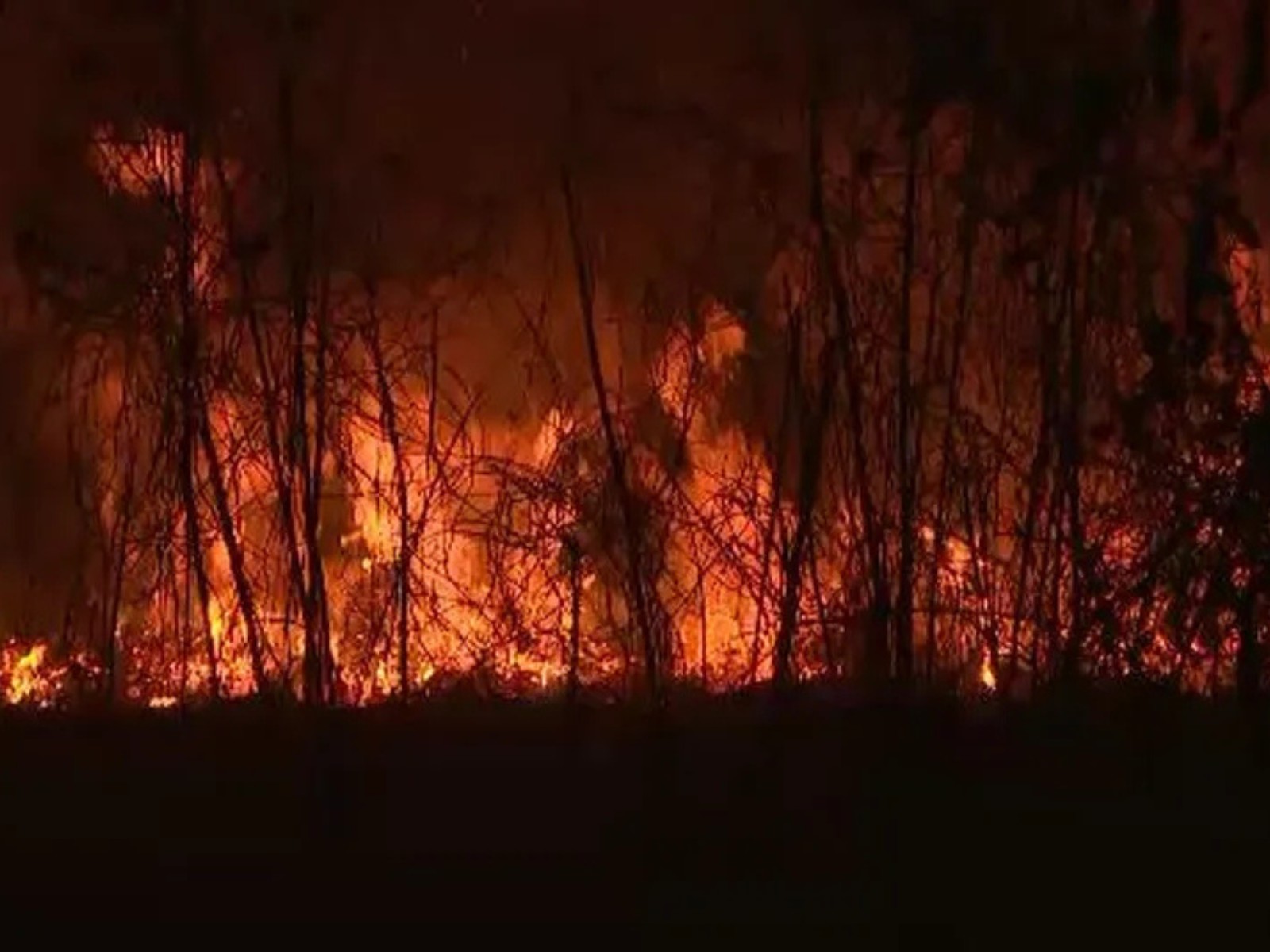
The Brazilian state of Acre experienced the fourth-largest decrease in its average burned land area nationwide over a 41-year period, from 1985 to 2025, with a 62% reduction. This finding comes from the MapBiomas Annual Fire Report, released on Tuesday, May 21st. In the past year, 81,366 hectares in Acre were affected by fire, significantly lower than the historical annual average of 213,924 hectares. The study analyzed fire dynamics across Brazil for four decades, considering total area affected, annual variations, fire frequency, and seasonality. States with greater reductions than Acre include Rondônia (83%), Espírito Santo (77%), and Mato Grosso do Sul (65%).
Over the studied period, Acre accumulated 2,743,600 hectares of fire-degraded land, representing 1.32% of the national total and ranking 13th nationally. The analysis of land tenure shows that fire primarily impacted private lands (58%), including rural properties and settlements, followed by areas without georeferenced land registration (21.7%), public lands (14.8%, with Indigenous Territories being 6.5%), and Conservation Units (4.07%).
Looking at the first half of 2026, the National Institute for Space Research (Inpe) reported 41 fire outbreaks in Acre between January 1st and June 30th. This figure marks a 43% decrease compared to the same period in 2025, when 72 outbreaks were recorded. Feijó municipality recorded the highest number of outbreaks in the first semester with 11 (26.8% of the state total), followed by Cruzeiro do Sul and Tarauacá, each with five outbreaks (12.2%).
The significant reduction in burned area in Acre, placing it among the top states with the largest decreases, suggests a potential positive shift in land management and fire prevention efforts over the past four decades. This trend, if sustained, could indicate greater success in implementing environmental policies and enforcement mechanisms. However, it is crucial to examine the underlying drivers of this decline, such as changes in agricultural practices, increased monitoring, or even shifts in reporting methodologies. Understanding these factors will be key to ensuring the longevity of this positive environmental outcome and to identifying best practices that could be replicated elsewhere. Future analysis should focus on correlating these reductions with specific policy interventions and socio-economic changes within the region to fully grasp the systemic improvements or external factors at play.
AI-generated to prompt reflection — not editorial opinion, not advice, not a statement of fact. How this works.