Acre Solves Less Than Half of Homicides, Study Finds
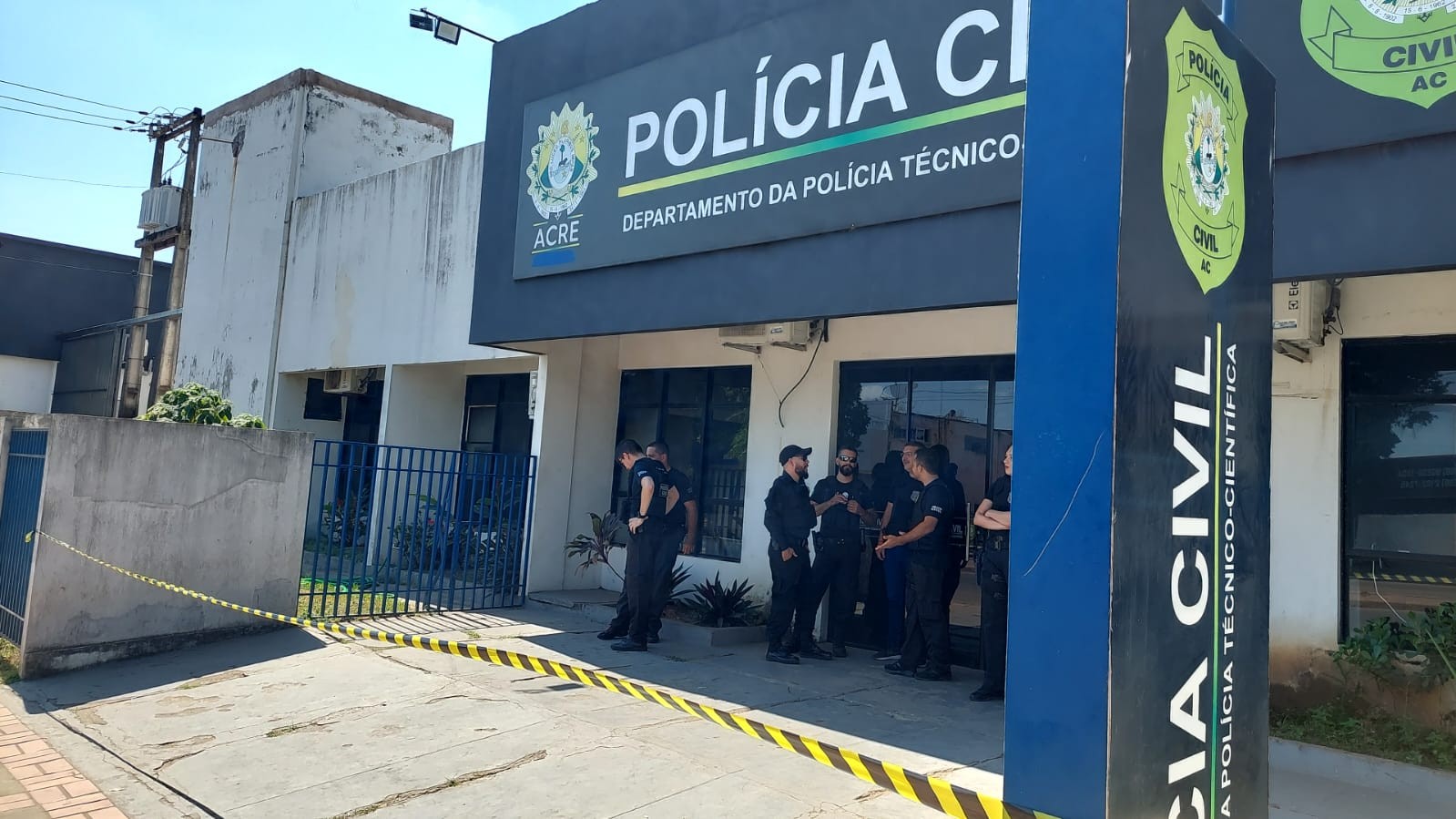
A recent study by the Sou da Paz Institute reveals that less than half of homicides recorded in Acre, Brazil, between 2020 and 2023 were solved, with only 47% of cases having identified suspects. This rate places Acre 11th nationally, though it is above the national average of 40% for solved homicides. A crime is considered solved when police identify suspects and gather evidence, allowing the Public Prosecutor's Office to file charges. In 2023, Acre recorded 214 intentional violent deaths, with 63% committed by firearms, ranking it 19th in Brazil for this metric. The homicide rate among young people was 40.5 per 100,000 inhabitants, also placing the state 19th. The situation for femicides is more concerning, with Acre reporting a rate of 2.3 women killed per 100,000 inhabitants in 2023, tied with Tocantins and significantly higher than the national average of 1.4. The study measured investigative capacity by the percentage of homicides resulting in criminal charges by the end of the following year. Acre's clearance rates were 38% in 2020, with no data for 2021, 52% in 2022, and 51% in 2023, averaging 47%. This performance categorizes Acre in an intermediate group for homicide clearance and data reporting regularity, alongside states like Mato Grosso and São Paulo. Several cases remain unsolved, including the March 2025 murder of Yara Paulino da Silva, the November 2023 shooting of Daniel Oliveira da Costa, and the November 19th killing of Clebeson Oliveira Portela, highlighting ongoing investigative challenges.
The data from Acre highlights a significant challenge in the state's criminal justice system, particularly concerning homicide investigations. While Acre's clearance rate for homicides exceeds the national average, the fact that less than half of these serious crimes are solved points to systemic issues in investigative capacity and resource allocation. The high percentage of firearm-related homicides and concerning femicide rates further underscore the complex public safety landscape. Understanding the factors contributing to low clearance rates, such as potential bottlenecks in evidence gathering, prosecutorial review, or judicial processes, is crucial for developing effective reforms. Future policy considerations should focus on strengthening investigative resources, improving inter-agency coordination, and potentially exploring innovative approaches to evidence collection and analysis to enhance accountability and deter future violence.
AI-generated to prompt reflection — not editorial opinion, not advice, not a statement of fact. How this works.