Acre State Court Halts Expoacre 2026 Contracts Over Suspected Irregularities
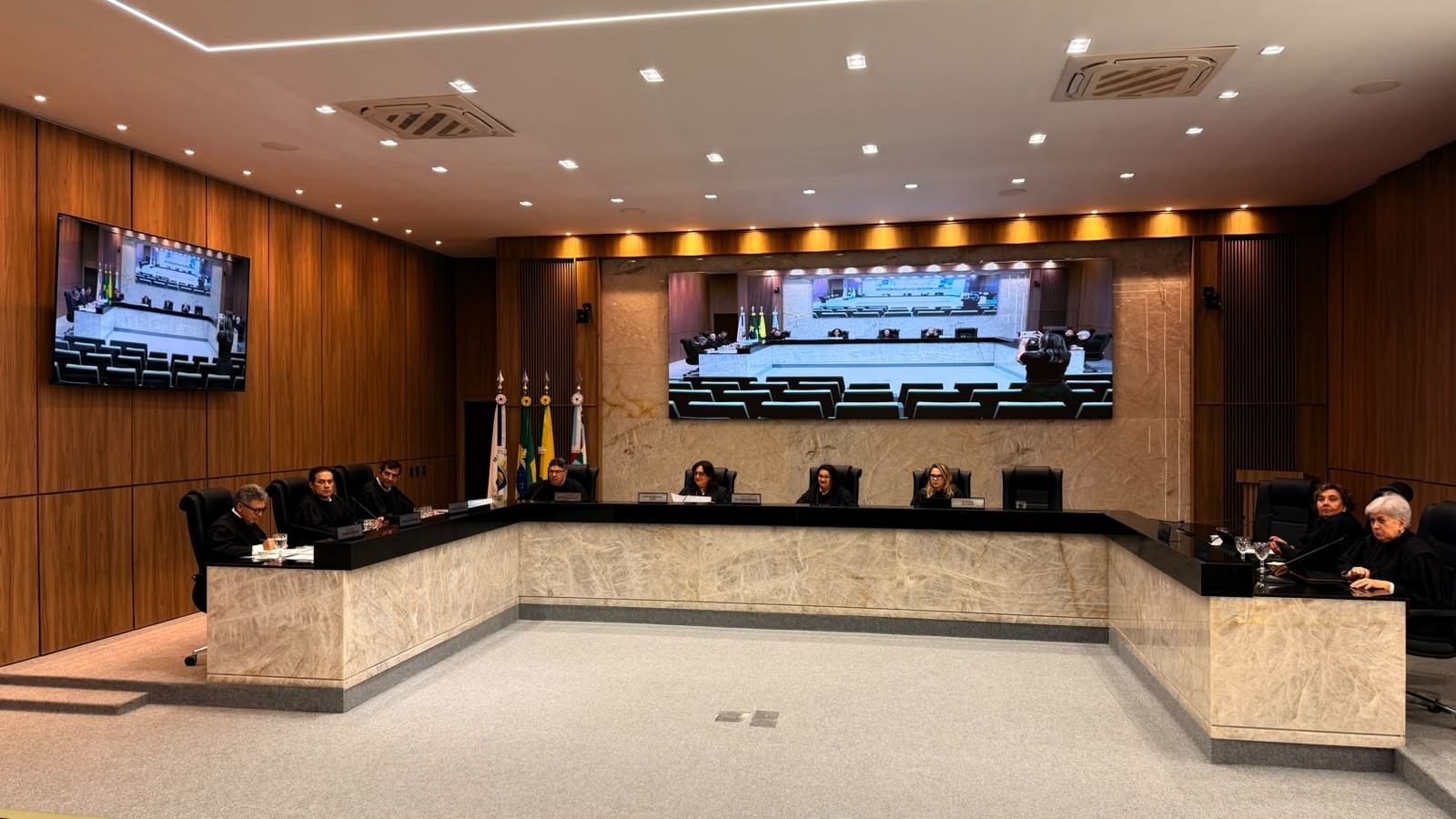
The State Court of Accounts of Acre (TCE-AC) has unanimously ordered the immediate suspension of all activities related to the contracting of the Expoacre 2026 structure in Rio Branco. This decision follows the identification of potential irregularities in the process managed by the State Secretariat of the Civil House. The preliminary injunction halts the signing of partnership agreements, public fund disbursements, and any payments stemming from Public Call nº 002/2026 and a subsequent waiver of public bidding by the government, pending further review.
According to the rapporteur, counselor Ronald Polanco, at least four significant technical inconsistencies were found. These include the government's use of a waiver based on urgency due to Expoacre's proximity, which the TCE suggests resulted from poor planning. The court also noted a substantial change in the contracting model after the initial public call yielded no interested parties. The estimated cost increased from R$ 20 million to approximately R$ 22 million, divided into three separate contracts, without sufficient technical justification or market research presented for the expanded national artistic programming.
The TCE emphasized that this suspension does not prevent Expoacre 2026 from occurring but aims to ensure public funds are disbursed only after identified inconsistencies are corrected and technical studies validate the regularity of the contracts. The Secretariat of the Civil House, headed by Cristovam Pontes de Moura, has been ordered to suspend all related actions within two business days, facing a daily fine of R$ 500 for non-compliance. The Civil House also has 15 days to provide explanations to the TCE, and the case will be forwarded to the Public Prosecutor's Office of Accounts.
The TCE-AC's intervention highlights systemic risks in public procurement processes, particularly concerning event management where tight deadlines can incentivize shortcuts in planning and oversight. The alleged shift from a planned R$ 20 million to R$ 22 million, coupled with a waiver of public bidding after the initial call failed, suggests potential governance weaknesses. Future public event planning in Acre could benefit from enhanced transparency mechanisms and stricter adherence to competitive bidding protocols, even under time constraints, to mitigate risks of financial impropriety and ensure optimal resource allocation. This situation underscores the ongoing challenge of balancing administrative efficiency with robust accountability in public expenditure.
AI-generated to prompt reflection — not editorial opinion, not advice, not a statement of fact. How this works.