Acre State Deputy Candidates Can Spend Up to R$1.27 Million in 2026 Elections
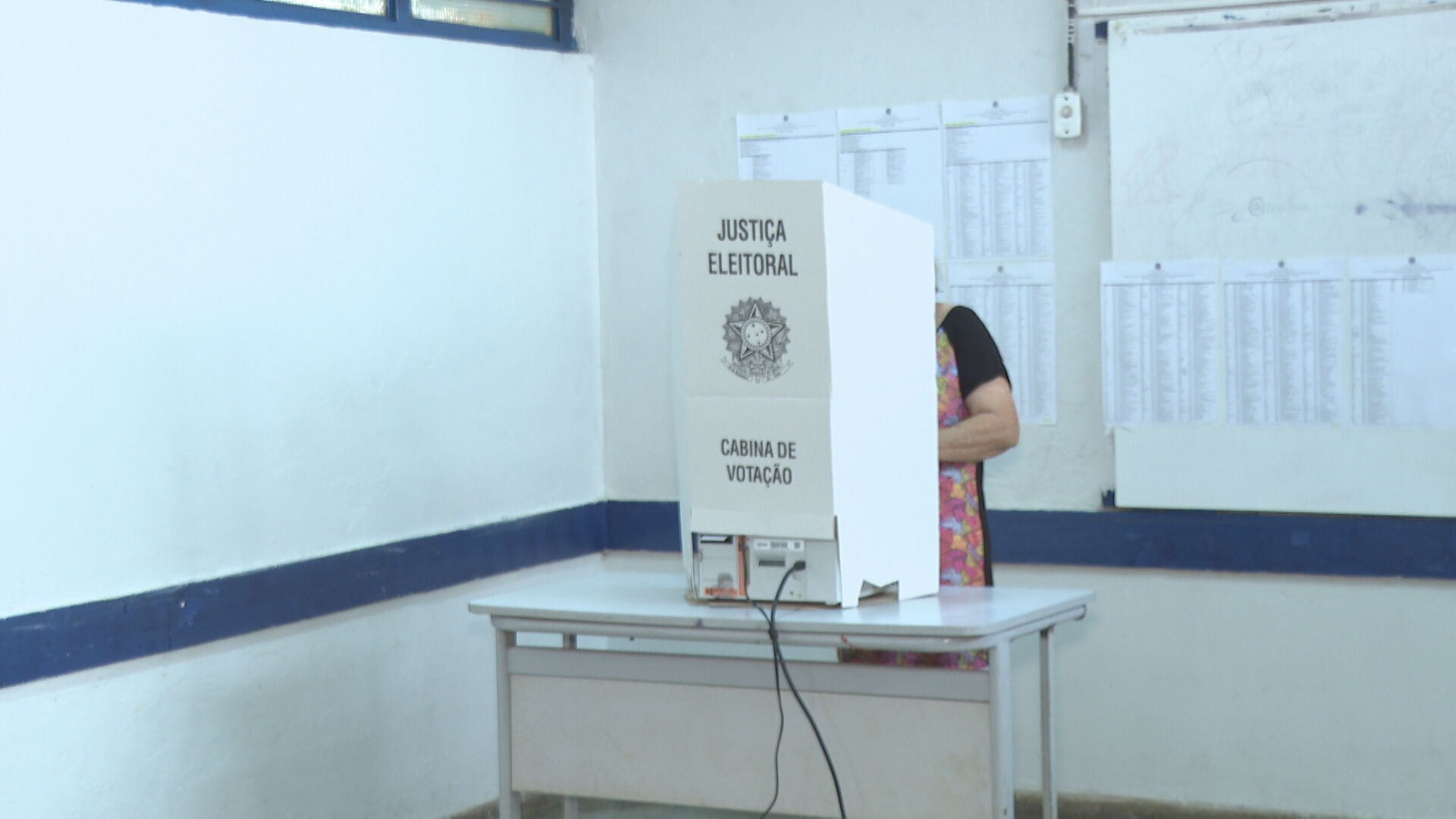
Candidates for state deputy in Acre, Brazil, will be permitted to spend up to R$1,270,629.01 on their campaigns for the 2026 general elections. These spending limits were established by the Superior Electoral Court (TSE) and mirror the ceilings set for the 2022 elections, with no changes to the legislation or the Special Campaign Financing Fund (FEFC). The highest spending limit in Acre is for gubernatorial candidates, who can expend up to R$3,557,761.23 in the first round, with an additional R$1,778,880.62 allowed if a second round is necessary. For Senate and Federal Deputy races, the spending cap is R$3,176,572.53 per candidate. In comparison to other states in the Northern Region, Pará has the highest gubernatorial spending limit at R$11,562,724, followed by Amazonas at R$7,115,522.46. Acre, along with Amapá and Roraima, have the lowest gubernatorial limits in the region. The TSE's spending limits encompass direct expenses, financial transfers to parties or other candidates, and in-kind donations. Exceeding these limits can result in a fine equivalent to 100% of the excess amount and may be considered an abuse of economic power by the Electoral Justice system. Despite these high potential expenditures, Acre's 2022 campaigns were notably economical, with elected federal deputies reporting significantly lower spending. For instance, Socorro Neri spent R$11,200, Roberto Duarte R$33,149.45, and Zezinho Barbary R$53,456.93, with no federal deputies from the state appearing among the highest spenders.
The Superior Electoral Court's decision to maintain 2022 campaign finance limits for the 2026 elections, citing a lack of legislative changes, reflects a system prioritizing stability over potential adjustments to evolving economic conditions or campaign dynamics. While the established spending caps aim to create a more level playing field, the significant disparity between these limits and the actual low expenditures observed in Acre's 2022 campaigns suggests a disconnect between regulatory intent and on-the-ground realities. This raises questions about the effectiveness of such high ceilings in promoting genuine competition or whether they inadvertently legitimize substantial financial influence in politics. Future electoral reforms could explore more dynamic or tiered spending limits, potentially linked to factors like voter turnout or regional economic indicators, to better align regulatory frameworks with practical campaign costs and foster more equitable electoral outcomes.
AI-generated to prompt reflection — not editorial opinion, not advice, not a statement of fact. How this works.