Acting AG Blanche Meets Epstein Accusers After Senator's Request
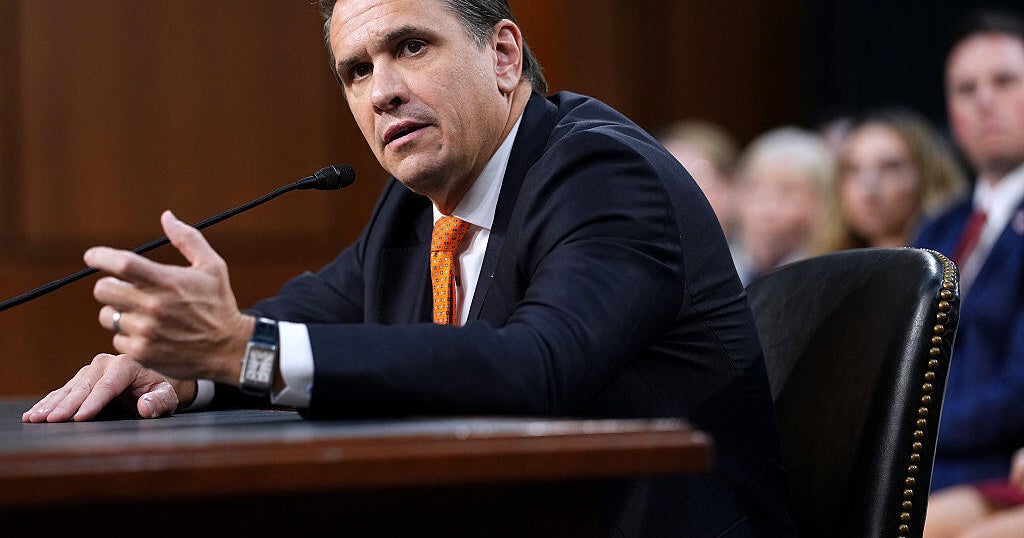
Acting Attorney General Todd Blanche met with individuals who have accused Jeffrey Epstein of sexual abuse. This meeting occurred after Senator Thom Tillis, a Republican, requested it. Senator Tillis' support is considered vital for the advancement of Blanche's nomination to lead the Justice Department. The meeting with the accusers appears to be a strategic step in the confirmation process, addressing concerns that may impact his potential appointment. The specific details of the meeting, including the number of accusers present and the topics discussed, were not disclosed. However, the timing of the meeting, directly linked to a senatorial request crucial for his nomination, highlights the political considerations surrounding Blanche's candidacy. This interaction underscores the significant scrutiny faced by nominees for high-profile positions within the Justice Department, particularly when past controversies or associations are involved. The outcome of this meeting and its influence on Senator Tillis's decision, and subsequently Blanche's nomination, remains to be seen.
The interaction between Acting Attorney General Todd Blanche and Jeffrey Epstein's accusers, prompted by Senator Tillis, illustrates the complex interplay of personal accountability, political maneuvering, and public trust in high-stakes government appointments. The meeting serves as a critical juncture, potentially influencing Blanche's confirmation by addressing sensitive allegations that could otherwise derail his nomination. This situation highlights a systemic challenge in governance: balancing the need for experienced leadership with the imperative to thoroughly vet candidates for any ethical or legal concerns. The pressure on nominees to engage with victims' groups underscores evolving expectations for transparency and responsiveness from public officials. Future administrations may need to proactively establish clearer protocols for such engagements to ensure due process and manage public perception effectively, particularly in the digital age where information and scrutiny are amplified.
AI-generated to prompt reflection — not editorial opinion, not advice, not a statement of fact. How this works.