Active vs. Passive Noise Cancellation: Understanding the Science
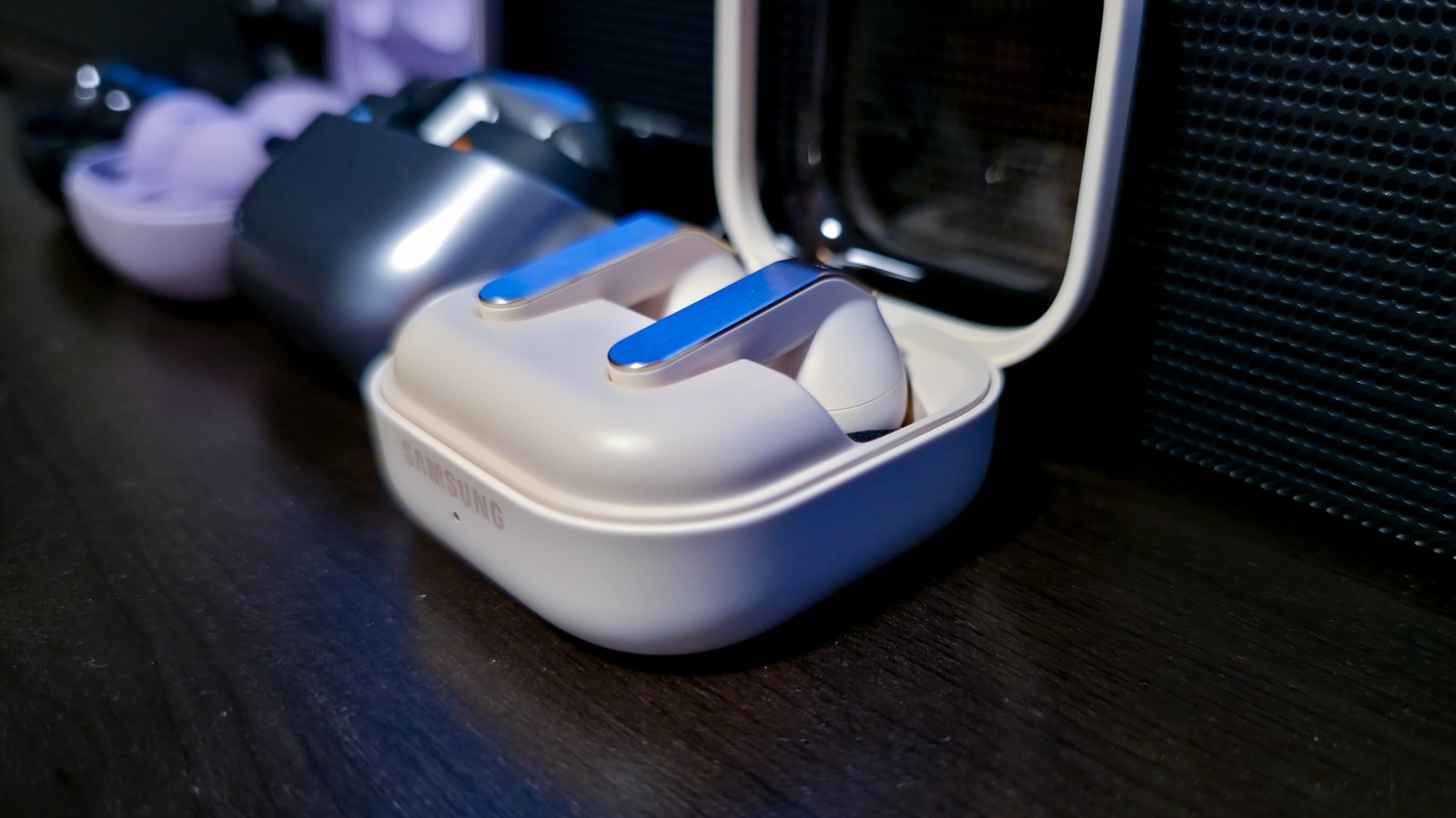
Noise cancellation technology aims to prevent external sounds from reaching your ears, but it operates through two distinct methods: active and passive. Passive noise cancellation, also known as sound isolation, relies on physical barriers to block sound waves. This is achieved through well-sealed earcups in headphones or the snug fit of earplugs, which create a physical blockade against noise. The effectiveness of passive noise cancellation is directly related to the density and seal of the material used.
Active noise cancellation (ANC) takes a more sophisticated approach by electronically counteracting ambient sounds. It utilizes microphones to detect external noise and then generates an inverse sound wave, often referred to as anti-noise, to cancel out the incoming sound. This process is particularly effective against constant, low-frequency noises such as airplane engines or air conditioning hums. While ANC can significantly reduce a wide range of sounds, it is often combined with passive noise isolation to achieve the best overall noise reduction performance. The goal of both technologies is to enhance the listening experience by minimizing unwanted auditory distractions.
Noise cancellation technologies, both active and passive, represent a fascinating intersection of physics and consumer electronics, aiming to enhance user experience by mitigating auditory distractions. Passive noise cancellation leverages fundamental principles of soundproofing through material science and design, effectively creating a physical barrier. Active noise cancellation, conversely, employs sophisticated signal processing to generate 'anti-noise,' demonstrating the power of wave interference. The continuous development in this field reflects a growing demand for personalized auditory environments, particularly in increasingly noisy urban and travel settings. Future advancements may focus on more adaptive ANC systems that can selectively filter sounds, allowing important alerts while blocking distractions, and improved energy efficiency for longer battery life.
AI-generated to prompt reflection — not editorial opinion, not advice, not a statement of fact. How this works.