Activist Ends Hunger Strike, But Youth Protesters Continue Demands for Minister's Resignation
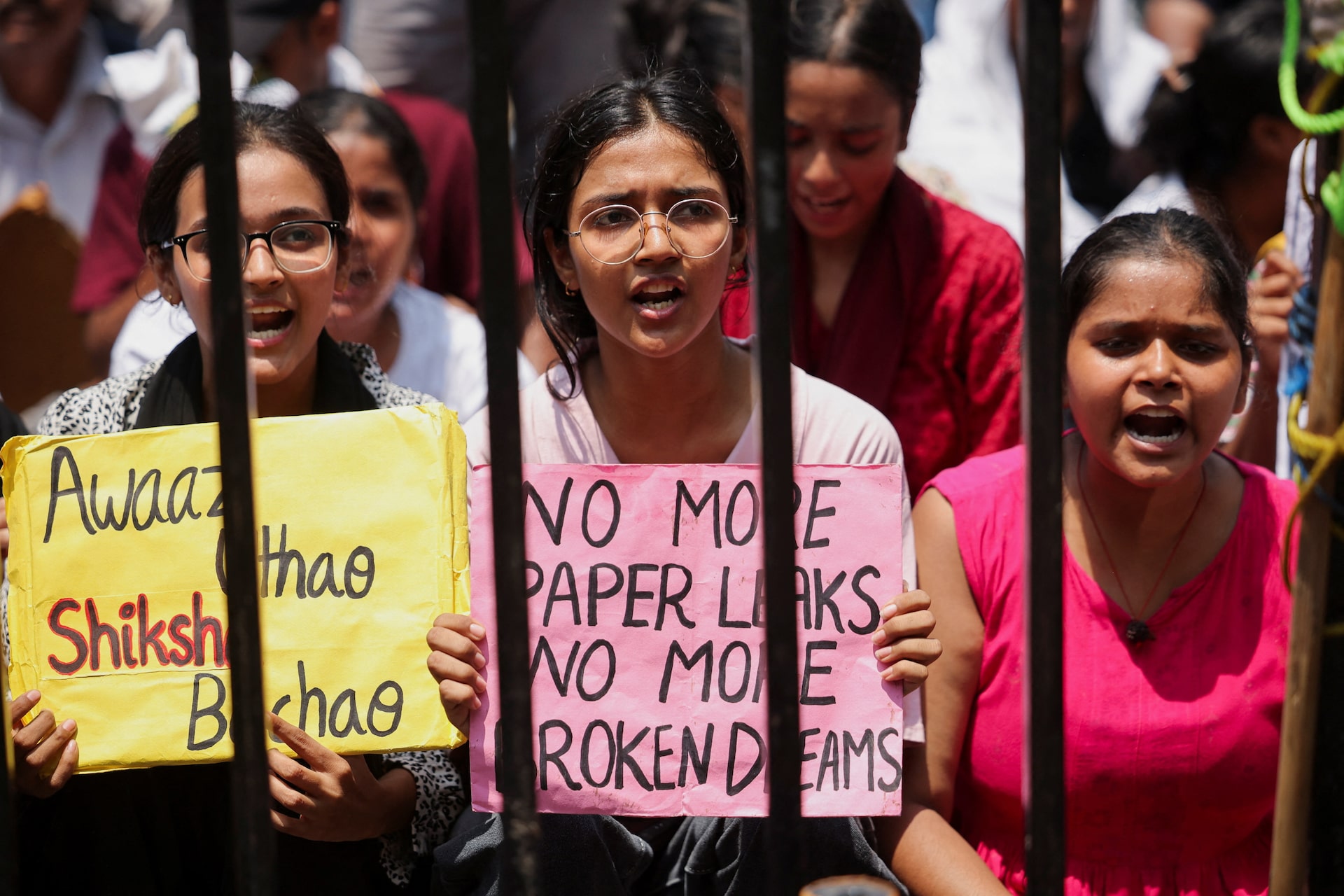
Sonam Wangchuk, an Indian activist, has concluded his 26-day hunger strike. However, youth protesters remain unsatisfied with the government's response to allegations of leaked entrance exam papers. They are continuing their demand for the education minister's resignation. The protesters argue that the government's actions do not adequately address the concerns regarding the integrity of the examination process. Wangchuk's fast had garnered significant attention and support, highlighting the depth of public discontent. Despite its conclusion, the underlying issues fueling the protest persist. The youth movement emphasizes that accountability is crucial for restoring faith in the educational system. They believe the minister's ouster is a necessary step to ensure fairness and transparency in future examinations. The situation underscores a broader tension between student demands for accountability and the government's approach to managing such crises.
The conclusion of Sonam Wangchuk's hunger strike, while a significant personal event, highlights the persistent challenge of addressing systemic issues through individual protest. The continued demands by youth protesters for the education minister's resignation underscore a societal demand for accountability in educational governance. This situation reflects a broader trend where public trust in institutional processes, particularly concerning fairness and transparency in examinations, is being tested. Future policy considerations may need to focus on strengthening oversight mechanisms and ensuring robust investigative procedures to preempt such crises and maintain public confidence in the integrity of educational assessments. The dynamic suggests a need for proactive governance that anticipates and mitigates risks associated with examination security.
AI-generated to prompt reflection — not editorial opinion, not advice, not a statement of fact. How this works.