Activist Sonam Wangchuk's Hunger Strike: Can Protesters Be Forcefully Removed? Legal Precedents
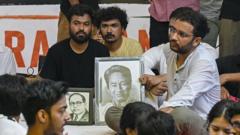
The article explores the legal rights of individuals undertaking a hunger strike and whether forcibly removing them from their protest site constitutes a violation of their rights. It delves into court decisions that address these specific circumstances. The core question revolves around the extent to which authorities can intervene when a person chooses to protest through fasting. Understanding these legal precedents is crucial for balancing public order with the fundamental right to protest. The piece aims to clarify the legal boundaries surrounding hunger strikes and the potential for state intervention.
This situation highlights the complex interplay between civil liberties and public order. While individuals have the right to protest, including through hunger strikes, authorities often face the challenge of balancing this right against concerns for the protester's health and potential public disruption. Court rulings in such cases typically weigh the severity of the health risk against the importance of the right to assembly and expression. Future legal frameworks may need to further refine these boundaries, considering the evolving nature of protest and the increasing use of prolonged fasting as a political tool. The analysis of such events should focus on the legal and ethical considerations of state intervention versus individual autonomy.
AI-generated to prompt reflection — not editorial opinion, not advice, not a statement of fact. How this works.