Actor who played 'Dominant CEO' in Chinese short dramas now sells vegetables
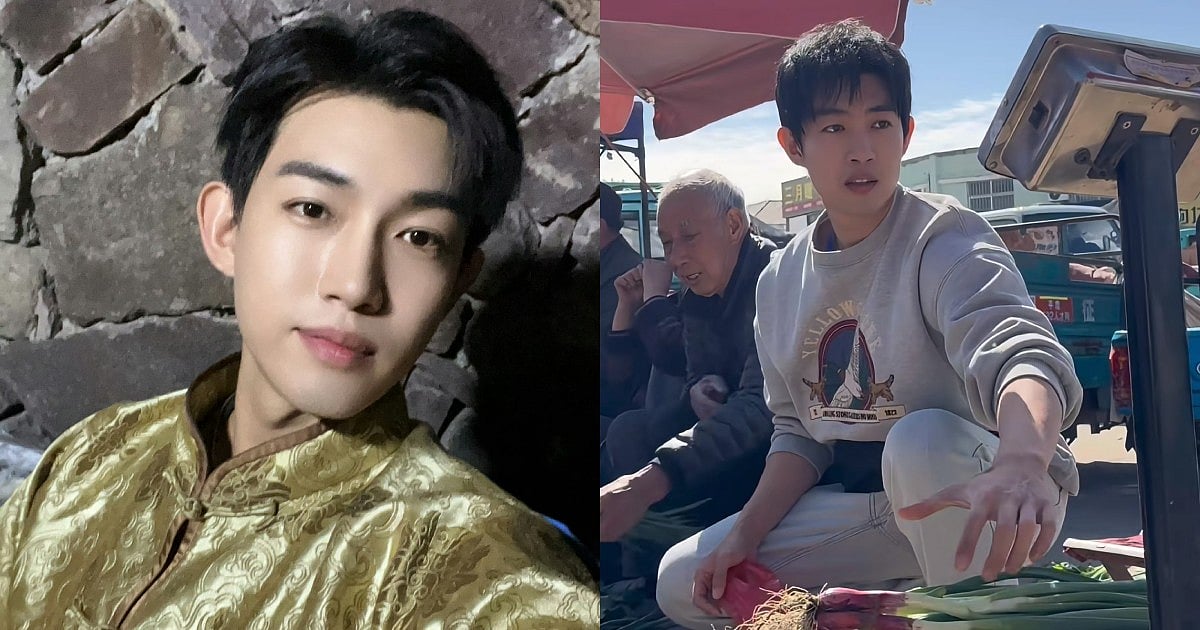
A 30-year-old Chinese actor, formerly known for playing 'Dominant CEO' roles in popular vertical short dramas, has lost his acting work due to the rise of artificial intelligence (AI) in the industry. Shu Peng, who studied at the Central Academy of Drama and had previously acted in television, transitioned to micro-dramas in 2025 as they gained popularity in China. His acting skills quickly led to leading roles, requiring him to shoot up to 15-16 hours daily at the peak of his career. However, the landscape shifted dramatically in the first quarter of 2026, with AI used in over 95% of the approximately 128,000 short dramas released in China. Consequently, Shu Peng found himself jobless after his last short drama concluded early this year. He returned to his village in Shandong province from Hengdian, a major film and television production center, and is now selling vegetables with his grandfather in the local market. While some relatives are surprised and fans seek photos, Shu Peng remains philosophical about the change, stating that acting is just one profession and he will find other ways to earn a living through honest work. He believes his career has not ended but merely shifted, and he remains open to future opportunities. Shu Peng is not alone; reports suggest that AI's ascendance in China's short drama industry has impacted the employment of around 2 million people. Actors who once earned up to 20,000 yuan ($2,940 USD) per day now struggle to find work for even 1,200 yuan. AI is integrated into nearly every stage of production, from scriptwriting and character creation to modeling and post-production editing, enabling significantly cheaper and faster drama creation compared to human-led productions. Despite these challenges, Shu Peng plans to launch acting training programs and continue working in short dramas featuring human actors, viewing AI's impact as an undeniable reality in the creative industry.
The rapid integration of AI into China's short drama industry highlights a significant disruption in creative labor markets. While AI offers efficiency and cost reductions for content production, it poses substantial challenges for human actors and other creative professionals, as evidenced by Shu Peng's career transition. This shift underscores the need for adaptive strategies within the entertainment sector, potentially involving reskilling initiatives or exploring new collaborative models between AI and human talent. The long-term implications for artistic integrity, employment stability, and the economic viability of creative professions in the age of AI warrant careful consideration by industry stakeholders and policymakers alike.
AI-generated to prompt reflection — not editorial opinion, not advice, not a statement of fact. How this works.