Actress Camila Queiroz Stores Daughter's Umbilical Cord Cells for Future Medical Use
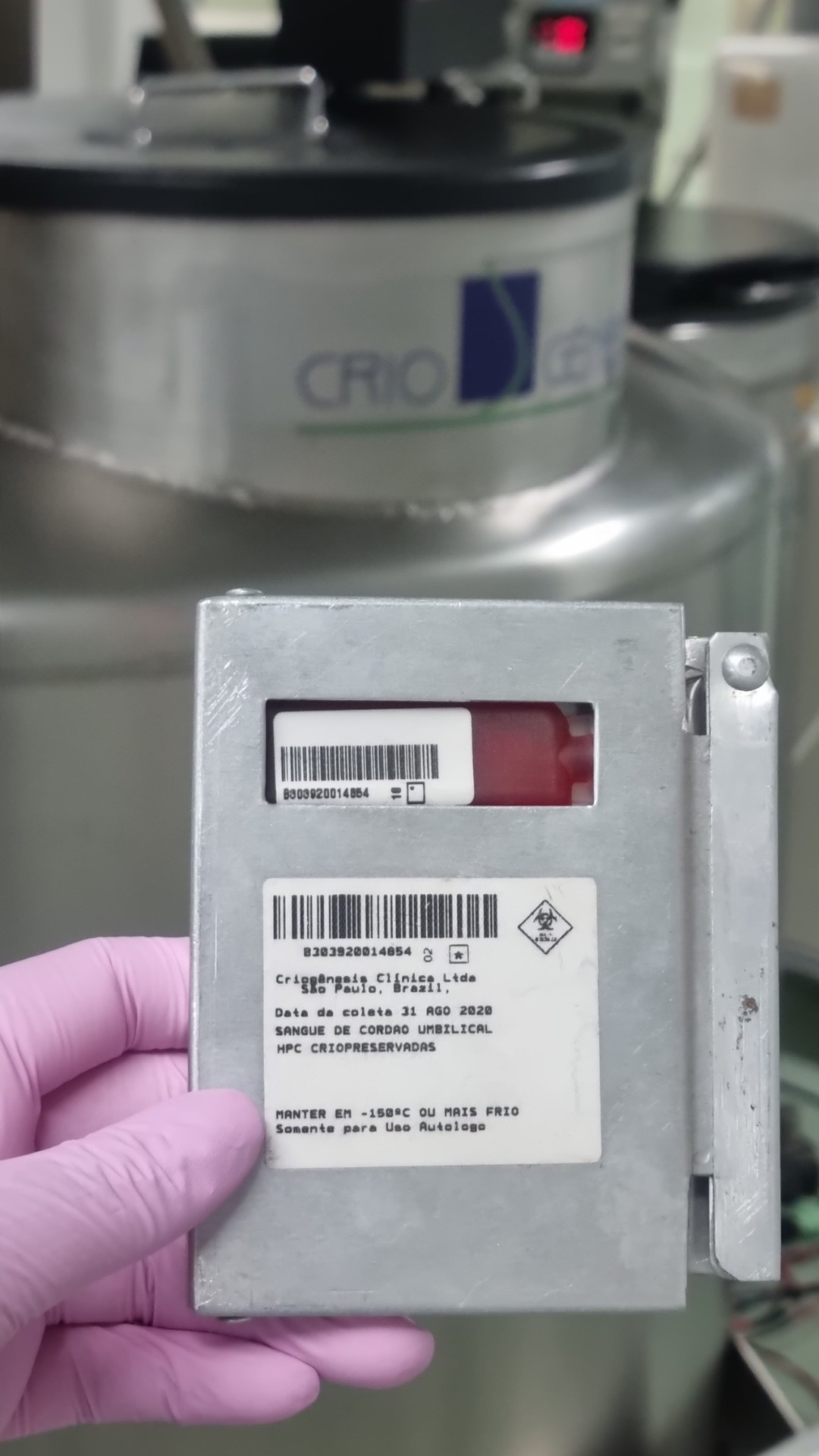
Brazilian actress Camila Queiroz has preserved her newborn daughter Clara's umbilical cord stem cells, a procedure often referred to as 'biological savings.' These cells, collected within minutes during childbirth, are stored at extremely low temperatures, specifically -196°C, in liquid nitrogen. The process involves collecting blood from the umbilical cord and also a segment of the cord tissue itself. The blood contains stem cells, which are the original producers of blood cells and can differentiate into red blood cells, white blood cells, and platelets. These young cells are highly effective for bone marrow transplants, offering advantages over adult stem cells due to their immaturity, which reduces the risk of severe rejection. The tissue, on the other hand, yields mesenchymal stem cells, which are being studied for their potential in tissue regeneration, such as bone and cartilage. While the collection is described as quick and painless, it comes with a significant cost, estimated at around R$4,000 for collection and R$1,000 annually for maintenance in private banks. In contrast, public banks offer this service free of charge, with the donated cells becoming available to anyone in need, a route recommended by many physicians. Despite the high cost and technological sophistication involved in preservation, the actual utilization rate of stored private cord blood samples in Brazil over two decades has been remarkably low, with only 26 out of nearly 165,000 samples used. The article highlights that while using one's own cord blood cells can mitigate the risk of graft-versus-host disease, it may also forgo the beneficial graft-versus-leukemia effect in certain cancers and is often insufficient in quantity for older patients. For genetic diseases like sickle cell anemia, the stored cells carry the same defect and are therefore unsuitable for treatment without advanced gene editing, which is still under development. Experts suggest that prioritizing donations to public banks, where cells can help a wider population, may be a more beneficial use of resources than private storage, given the low probability of personal use and potential limitations.
The practice of banking umbilical cord stem cells, while presented as a proactive health measure, raises questions about resource allocation and the actual probability of use. The significant financial investment required for private storage, coupled with a low historical utilization rate, suggests a potential disconnect between the perceived benefits and the statistical reality. While the technology holds promise for treating specific diseases, the article points to limitations, particularly regarding genetic disorders and the quantity of cells available for adult patients. The disparity between private and public banking models highlights a societal choice: investing in individual future insurance versus contributing to a collective resource for broader medical needs. Future considerations should include more transparent communication about the efficacy and likelihood of use for stored cells, alongside exploring advancements in gene therapy and cell expansion techniques that could increase the utility of banked material.
AI-generated to prompt reflection — not editorial opinion, not advice, not a statement of fact. How this works.