Adžić: Government's ad hoc decisions create instability, comprehensive measures needed
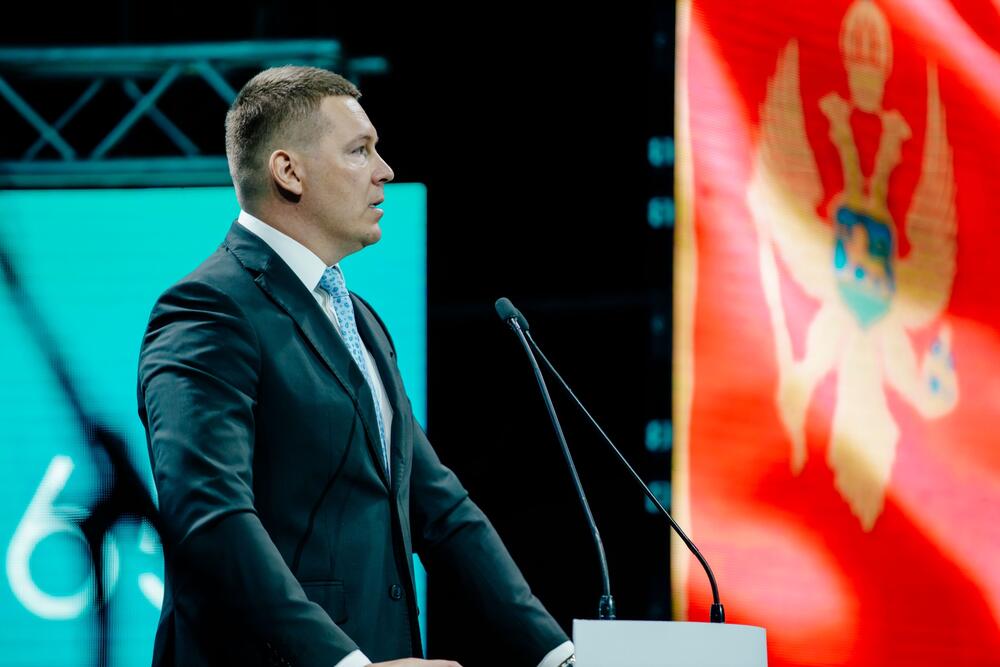
Dritan Abazović's government is creating additional instability through its ad hoc decisions, according to a statement. The Civic Movement URA has repeatedly called on the government to adopt a comprehensive package of anti-crisis measures. This approach, they argue, should be modeled after numerous European states. The goal of such measures would be to protect the standard of living for citizens. The movement believes that reactive, uncoordinated decisions exacerbate existing problems rather than solving them. They emphasize the need for a strategic and unified approach to economic challenges. The URA's proposal aims to provide a stable framework for economic relief and support.
The government's reliance on ad hoc decision-making, as highlighted by the Civic Movement URA, suggests a potential lack of strategic foresight in addressing economic challenges. This approach may lead to market uncertainty and reduce the effectiveness of interventions, as it fails to establish a predictable policy environment. European models for comprehensive anti-crisis packages often involve coordinated fiscal, monetary, and social policies designed to mitigate shocks and support vulnerable populations. The URA's call for such a framework points to a systemic need for more robust governance structures that can anticipate and manage economic downturns proactively, rather than reactively. Over the next decade, the ability of governments to implement agile yet stable policy responses will be crucial in navigating the complexities of global economic shifts and technological disruptions.
AI-generated to prompt reflection — not editorial opinion, not advice, not a statement of fact. How this works.
