ADAC Study: How Much More Expensive It Is to Refuel at Highway Service Stations
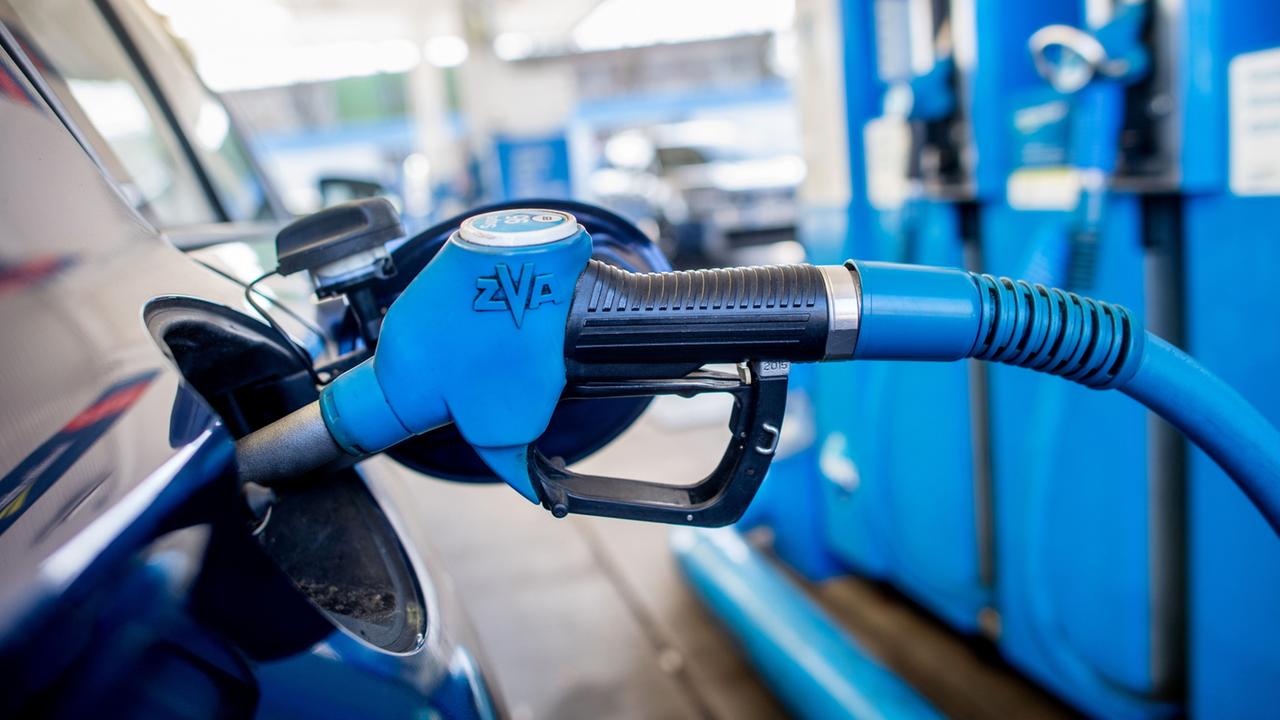
A recent study by the ADAC, Germany's largest automobile club, has revealed significant price discrepancies for fuel at service stations located directly on highways compared to those off the main routes. The findings indicate that many drivers already choose to exit highways to refuel, as stations in closer proximity to the highway are typically more affordable. The ADAC's investigation highlights that these price differences can be substantial and vary considerably from one German federal state to another. This practice of drivers deviating from their routes to seek cheaper fuel underscores the impact of price sensitivity on consumer behavior, even when it involves a slight detour. The study aims to inform drivers about these cost-saving opportunities and shed light on the pricing strategies employed by highway service station operators.
The ADAC's findings highlight a persistent market dynamic where essential services, such as fuel, command premium pricing when located in captive environments like highway rest stops. This pricing strategy exploits the convenience factor and limited alternatives available to travelers, creating a significant cost burden for drivers. The observed inter-state variations suggest that regulatory oversight or local market competition may play a role in mitigating these price gouges. Over the next decade, as electric vehicle adoption increases and charging infrastructure expands, the pricing power of traditional fuel stations, particularly those in isolated locations, may diminish, potentially leading to more competitive pricing or a shift in business models.
AI-generated to prompt reflection — not editorial opinion, not advice, not a statement of fact. How this works.