Adani Group and UAE's IHC to Invest $11.5 Billion in Odisha Aluminum Project
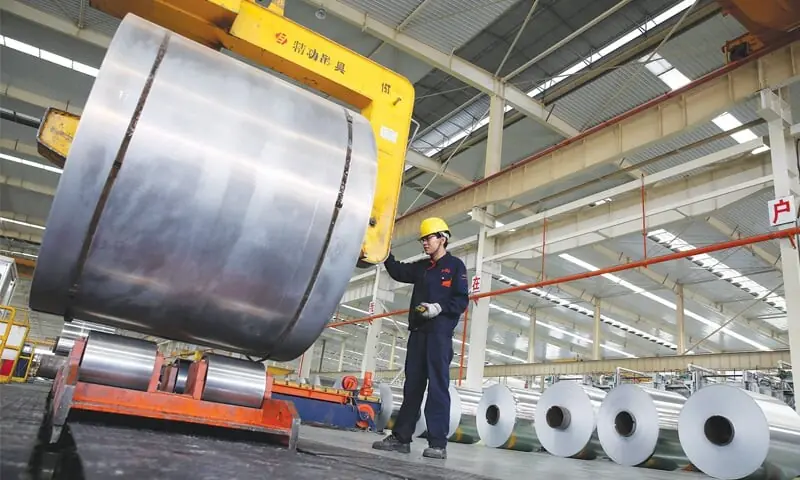
India's Adani Group and Abu Dhabi's International Holding Company (IHC) have signed a memorandum of understanding with the Odisha state government to invest $11.5 billion in a major aluminum project in eastern India. This proposed investment is poised to be India's largest foreign direct investment in the metallurgy sector. The joint venture will be established between Adani Enterprises Limited and an IHC subsidiary, each holding a 50% stake. The project scope includes a four-million-metric-tonne-per-year aluminum refinery, an aluminum smelter with a smaller capacity, and a 4,000-megawatt captive power plant. This initiative is projected to generate 53,500 jobs, with 35,000 during the construction phase and an additional 18,500 once operations commence. Odisha, which holds significant bauxite reserves and accounts for 54% of India's aluminum output, is strategically chosen for this development. The investment aligns with India's objective to bolster domestic aluminum production, driven by increasing demand from sectors like infrastructure, power, transport, and renewable energy, while also aiming to decrease reliance on imported value-added metal products. Despite being a major global aluminum producer, India faces challenges in meeting its burgeoning domestic demand through local output. This project supports India's broader strategy to significantly increase domestic production by 2047 and enhance its aluminum recycling rate. The collaboration also builds upon the existing trade and investment pact between India and the UAE, which aims to eliminate tariffs and boost bilateral trade.
This significant foreign direct investment signals a strategic alignment between Indian industrial ambitions and UAE capital, focusing on a critical raw material for infrastructure and energy transition. The project's scale underscores India's drive for self-sufficiency in aluminum production, aiming to leverage domestic resources and meet escalating demand. From a systemic perspective, such large-scale industrial projects necessitate robust environmental governance and supply chain resilience to mitigate potential impacts and ensure long-term viability. The collaboration highlights the evolving geopolitical economic landscape, where resource-rich nations and capital-rich entities forge partnerships to secure strategic commodities and drive industrial growth, potentially reshaping global supply dynamics in the coming decade.
AI-generated to prompt reflection — not editorial opinion, not advice, not a statement of fact. How this works.