Adapting Gardens for Heatwaves: Budapest's Chief Landscape Architect Offers Solutions
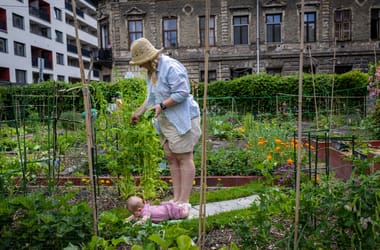
Budapest's Chief Landscape Architect, Sándor Bardóczi, warns that if summers continue to be as hot as the current one, the city could lose 40% of its urban trees by 2035. He emphasizes the urgent need to redesign private gardens to cope with increasingly severe heatwaves. Bardóczi advises abandoning water-intensive plants like thuja trees and annual flowers, which are unsuitable for arid conditions. He suggests exploring alternative planting strategies to maintain beautiful and resilient gardens in drought-prone environments. This shift in horticultural practices is crucial for urban green spaces to survive and thrive under future climate scenarios.
The projected loss of urban trees highlights a critical vulnerability in city planning and landscape architecture when confronted with escalating climate change impacts. The traditional reliance on water-intensive species, while aesthetically pleasing, proves unsustainable under prolonged heat and drought. This situation necessitates a systemic reevaluation of urban green infrastructure, prioritizing drought-resistant native flora and water-efficient design principles. Future urban development must integrate climate resilience from the outset, considering the long-term viability of plant species and their role in mitigating urban heat island effects and supporting biodiversity. The transition requires not only horticultural expertise but also public education and policy support to encourage widespread adoption of these adaptive strategies.
AI-generated to prompt reflection — not editorial opinion, not advice, not a statement of fact. How this works.