Added Time in Football Matches
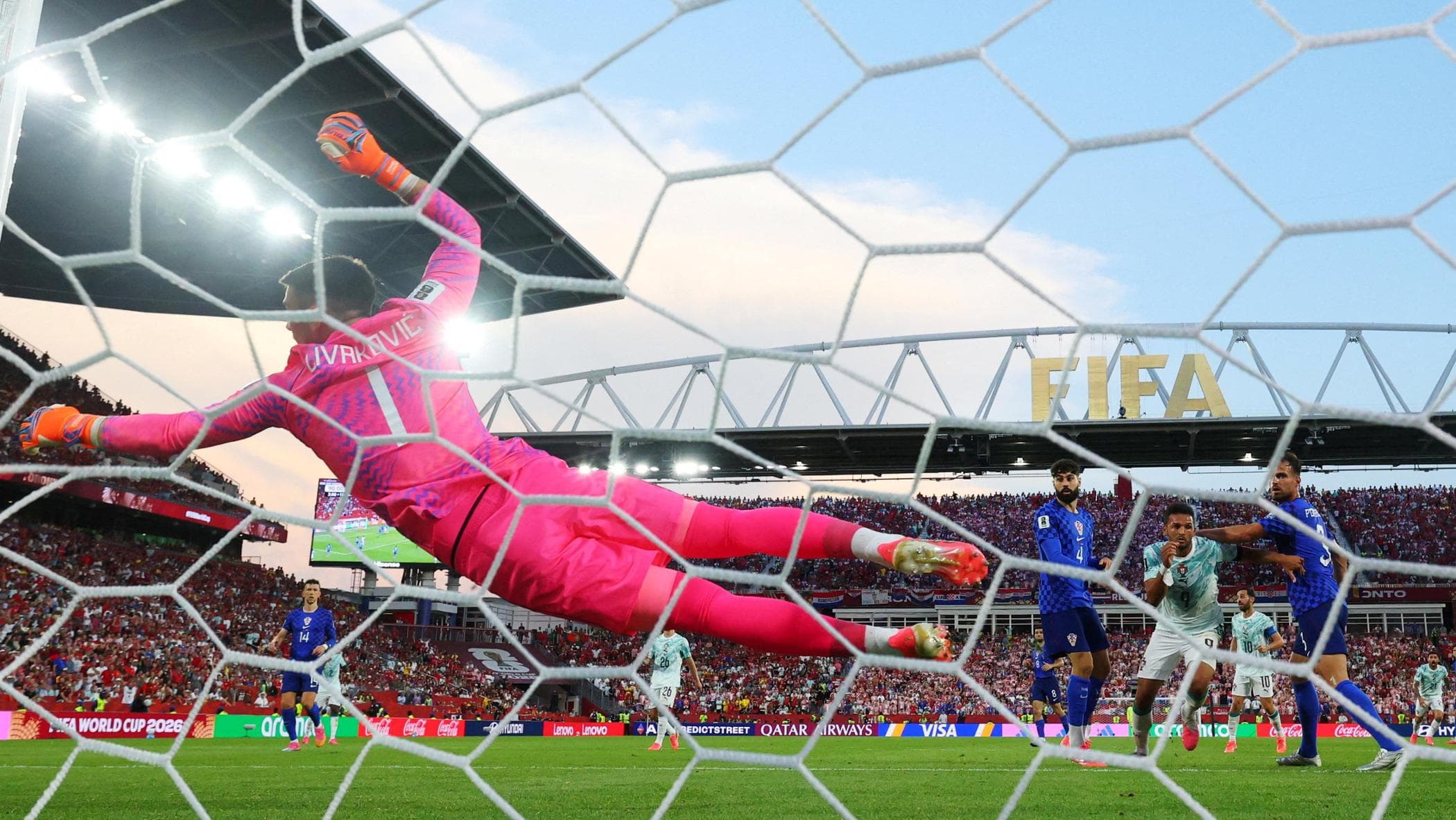
The article "I minuti di recupero" discusses the concept of added time in football (soccer) matches. Added time, also known as stoppage time or injury time, is the amount of time added to the end of each half of a football match to compensate for stoppages during play. These stoppages can include substitutions, injuries, goal celebrations, and disciplinary actions like yellow or red cards. The primary purpose of added time is to ensure that the game's full duration is played, accounting for any time lost due to these interruptions. Referees are responsible for determining the amount of added time, often based on their observation of the game's flow and the extent of delays. The implementation and calculation of added time are crucial for the fairness and integrity of the sport, as even a few extra minutes can significantly impact the outcome of a closely contested match. The article implies that understanding the rules and application of added time is important for fans and players alike.
The calculation of added time in football is a system designed to ensure game integrity by compensating for lost playing minutes. While intended to be objective, the referee's discretion in determining this duration introduces an element of subjectivity that can influence match outcomes. This system highlights a common challenge in sports governance: balancing precise rule application with the inherent variability of live events. Future iterations of this rule might explore more automated or data-driven approaches to added time calculation, potentially reducing disputes and enhancing consistency, while also considering the potential for technology to disrupt the organic flow of the game.
AI-generated to prompt reflection — not editorial opinion, not advice, not a statement of fact. How this works.