Adidas Sales Rise During World Cup, But Stock Drops 17% on High Advertising Costs
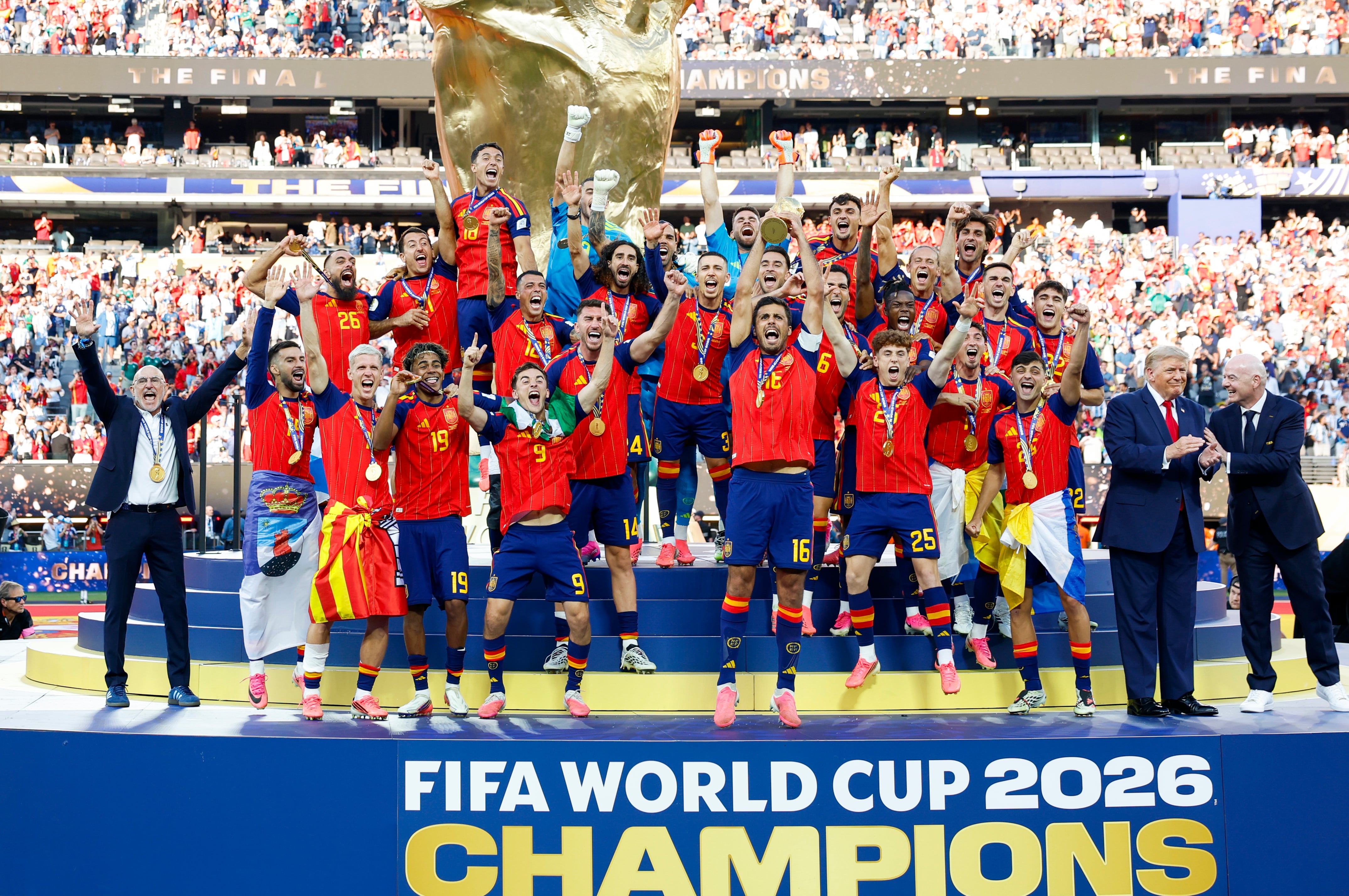
Adidas experienced an increase in sales during the recent World Cup tournament. However, the company's stock price saw a significant decline of 17% on the stock market. This drop is attributed to substantial advertising expenditures incurred by Adidas throughout the event. While the tournament boosted revenue, the higher-than-anticipated costs associated with advertising campaigns negatively impacted the company's overall profit margins. The increased sales figures were overshadowed by the significant financial outlay for marketing efforts. This situation highlights a potential imbalance between marketing investment and immediate profitability for the sportswear giant. The financial performance indicates that the benefits of increased sales did not fully offset the extensive advertising expenses during the World Cup period.
The financial performance of Adidas during the World Cup suggests a strategic trade-off between short-term revenue generation and long-term brand positioning. While increased sales demonstrate market engagement, the disproportionate impact of advertising costs on profitability raises questions about the efficiency of marketing spend. Future strategic planning may need to re-evaluate the return on investment for large-scale promotional events, considering the evolving digital advertising landscape and consumer engagement models. This scenario underscores the ongoing challenge for global brands to balance immediate financial results with sustained brand equity development in a competitive market.
AI-generated to prompt reflection — not editorial opinion, not advice, not a statement of fact. How this works.