Adolescents Assault Staff at Divinópolis Socio-Educational Center
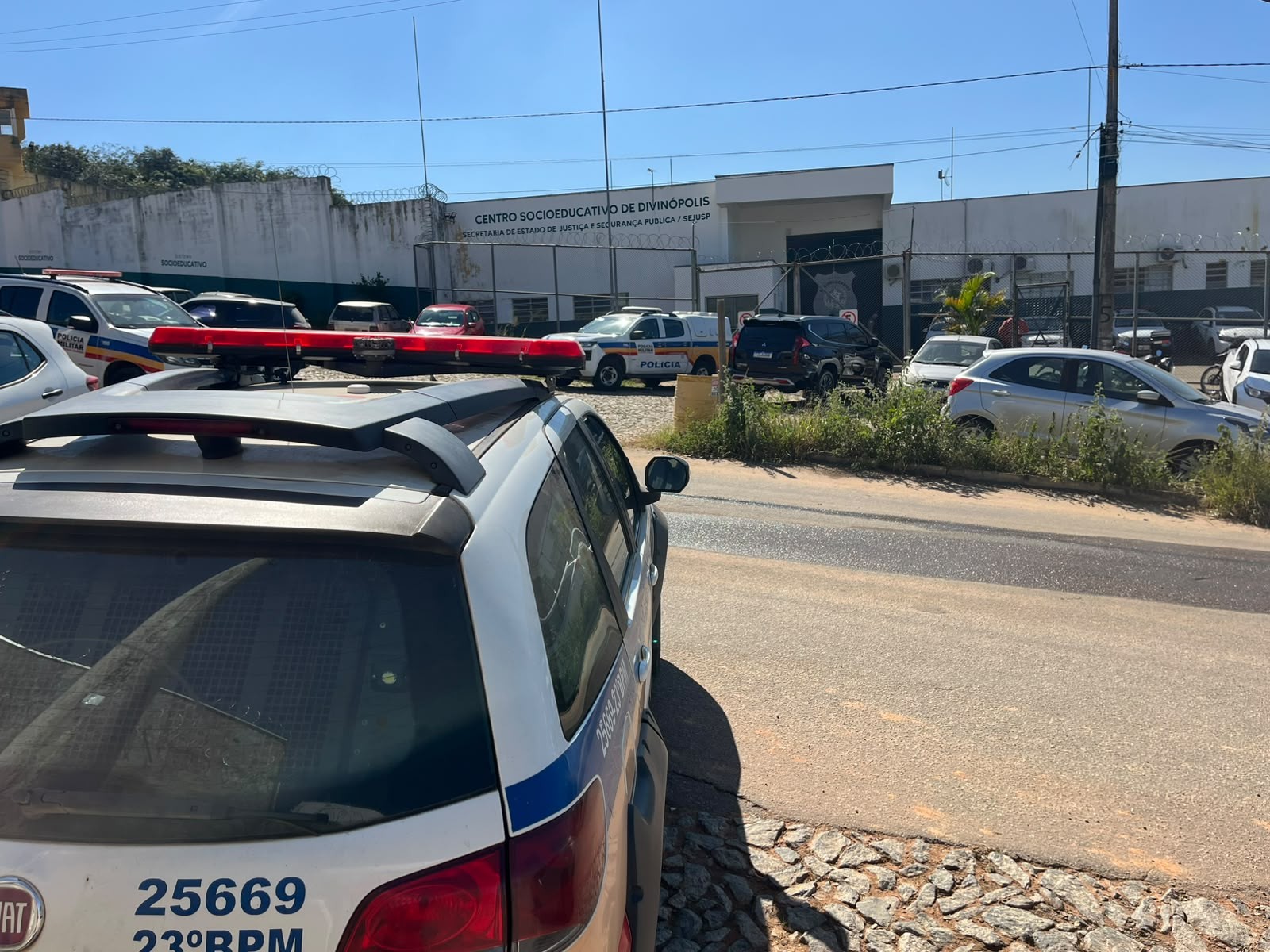
On Friday morning, October 10th, adolescents at the Divinópolis Socio-Educational Center in Minas Gerais, Brazil, assaulted and briefly held four agents. The incident began during a movement to a sports activity when two adolescents reportedly had a disagreement with a staff member. The situation was quickly resolved by the socio-educational agents, according to the State Secretariat for Justice and Public Security of Minas Gerais (Sejusp-MG). Police intervention was not required as the adolescents ceased their actions upon the arrival of military police. The involved officers, three male and one female, sustained injuries from punches and kicks. The Public Prosecutor for Childhood and Youth, Cazé Fortes, was notified and visited the facility. He identified an 18-year-old as the leader of the disturbance, who was subsequently arrested and taken to the police station. The prosecutor also spoke with other adolescents involved, informing them about potential penalties. Sejusp-MG confirmed a "specific incident" occurred, stating that a staff member suffered minor facial injuries during containment, received medical attention, and is recovering well. No adolescents were harmed, and there were no hostages or structural damage to the facility. Administrative measures are being taken to investigate the events thoroughly.
This incident highlights the ongoing challenges in managing juvenile detention facilities, particularly concerning staff safety and adolescent behavioral management. The rapid escalation from a minor disagreement to physical assault and hostage-taking, even if brief, points to potential underlying tensions or systemic issues within the center's environment. The prompt resolution by internal staff and the minimal need for external police intervention suggest effective de-escalation protocols were in place. However, the involvement of an 18-year-old leader and the subsequent arrest indicate a need for targeted interventions and robust legal frameworks for addressing serious misconduct within these facilities. Future efforts should focus on understanding the root causes of such conflicts, enhancing staff training in conflict resolution and de-escalation, and implementing evidence-based programs to support adolescent rehabilitation and reduce recidivism, ensuring a secure and constructive environment for both residents and staff.
AI-generated to prompt reflection — not editorial opinion, not advice, not a statement of fact. How this works.